



Glass Museum Case
A glass museum case provides the clear visibility and protection needed to showcase prized artefacts and collections.
Glass Museum Case
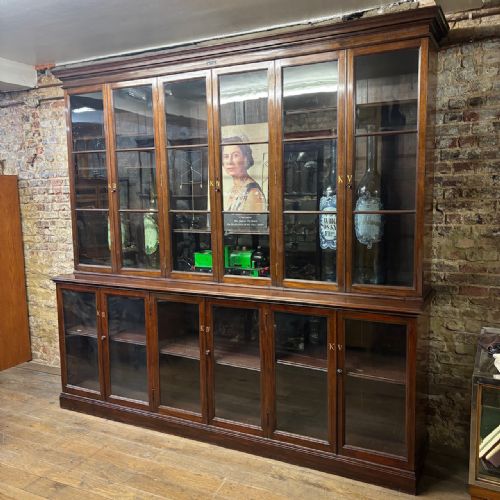
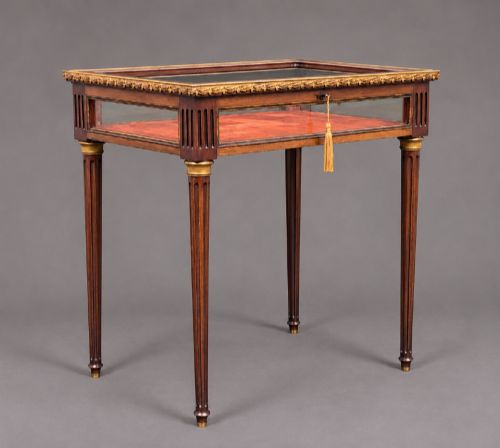
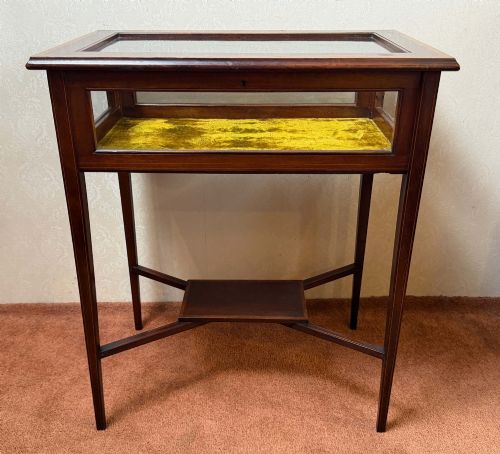
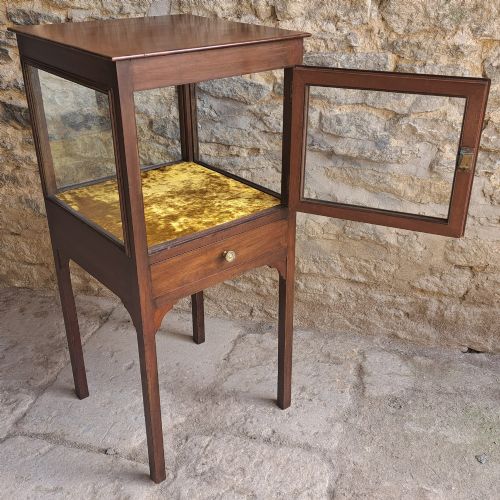
When searching for a glass museum case, buyers encounter a variety of forms including tall tower cabinets, low table top cases, and extensive shop display counters designed for comprehensive viewing. These pieces span multiple eras, stretching from eighteenth century mahogany examples through Victorian and Edwardian periods up to nineteen twenties commercial fixtures.
The most common items found in this selection are substantial mahogany and oak display cabinets alongside specialised shop counters and glazed table top vitrines. These structures derive from both domestic collector use and commercial retail environments, offering generous glazing to display contents from all angles.
Origins vary from late nineteenth century French workshops to British cabinet makers and American showcase works, reflecting a broad tradition of display furniture. Buyers select these items to house everything from small specimens to large collections while maintaining a clear, uninterrupted view.
How they were made
Construction relies heavily on durable timbers such as mahogany, oak, and ebonised wood, providing a sturdy structural skeleton to support heavy sheets of glass. Metal elements like brass frequently appear in frames, hinges, and corner brackets to reinforce the glazed panels and add structural refinement.
Interiors are frequently lined with materials like velvet and fabric to cushion delicate objects and enhance the visual contrast against the timber frame. Glazing techniques allow for expansive panes of glass held securely within rebated wooden or brass framework to maximise interior light.
Glass Museum Case Retail Price Guide 2026
Typical asking prices for glass museum case among the pieces listed under this phrase on Sellingantiques today, from the lower quarter to the upper quarter. They describe what is for sale here now, not the wider market.
Listings feature oak, mahogany, cedar, and ebonised wood structures paired with extensive glass and brass elements.
What varies in quality
Quality in these pieces is dictated by the sophistication of the timber joinery and the clarity and thickness of the original glass panes utilised in the construction. Superior examples demonstrate meticulous hand-carving, seamless joints, and well-balanced proportions that elevate the object from a simple storage unit to a refined architectural display.
The integration of specialised hardware, such as robust brass locks, specialised counterweight mechanisms, or intricate gilding like gold leaf, separates standard commercial cases from exceptional bespoke commissions. Finer cabinets also utilise superior interior fabrics and thoughtful framing that complement rather than compete with the objects displayed inside.
F. Sage & Co·Siegel·Quincy Showcase Works Illinois·E. Pollard & Co. Ltd.
The Glass Museum Case Glossary
- Vitrine
- A glass display cabinet or case designed specifically for showing fine objects or porcelain. These pieces often feature glass on multiple sides to let light flood the interior.
- Tower cabinet
- A tall, vertical display case utilised to maximise vertical space while offering a compact footprint. This form is particularly suited for exhibition rooms with limited floor area.
- Display counter
- A low, glass-topped cabinet traditionally placed in retail or museum settings to allow customers or visitors to view items from above. They often include sliding doors at the rear for easy access.
- Ebonised wood
- Timber treated with a chemical stain or finish to simulate the deep, dark appearance of ebony. This technique was popular in various periods to create a sharp, dramatic contrast with glass and brass.
- Pedestal display cabinet
- A cabinet elevated on one or more structural pedestals or bases to raise the viewing height of the items inside. This design creates a sense of lightness and proportion in a room.
Glass Museum Case: Frequently Asked Questions
What is a glass museum case used for?
These cases are designed to securely exhibit and protect valuable objects, artefacts, and private collections while allowing unobstructed viewing from multiple angles. They serve both domestic collectors and commercial exhibition spaces.
The enclosed environment helps protect delicate items from dust, handling, and environmental changes while presenting them in an organised, visually appealing manner.
Can I use a shop display counter at home?
Shop display counters adapt very well to domestic interiors, serving effectively as kitchen islands, hallway consoles, or living room statement pieces. Their low profile provides a generous surface and visible storage below.
They offer a practical way to display books, collections, or textiles while adding a distinct historical character to a modern room.
How should I care for the interior fabric?
Interior linings made of velvet or fabric require gentle maintenance, primarily through careful vacuuming with a soft brush attachment to remove dust without snagging the fibres. Avoiding direct sunlight prevents fading of the textile colours over time.
If the lining shows significant wear, traditional reupholstery can refresh the interior while preserving the original wooden framework.