






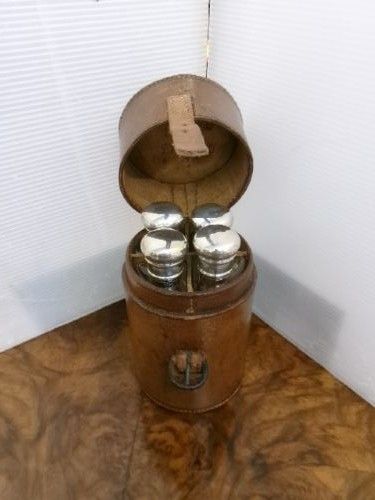


Glass Drinks Decanter
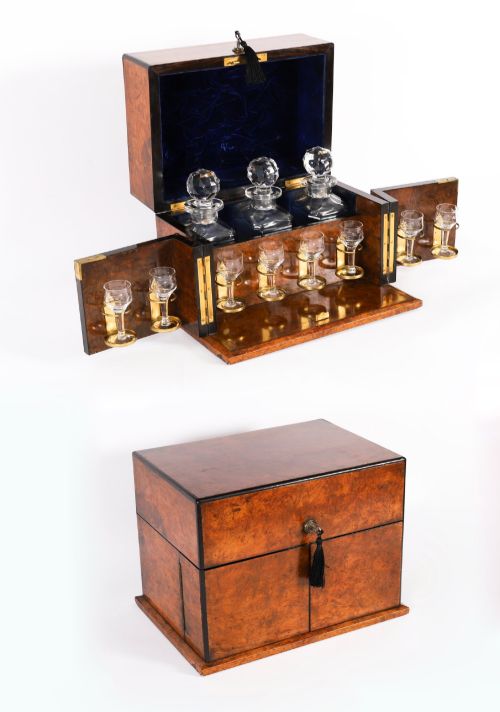
These pieces for glass drinks decanter bring nineteenth and twentieth century barware into active service, pairing cut crystal and glass vessels with fitted wooden frames and metal mounts.
Glass Drinks Decanter
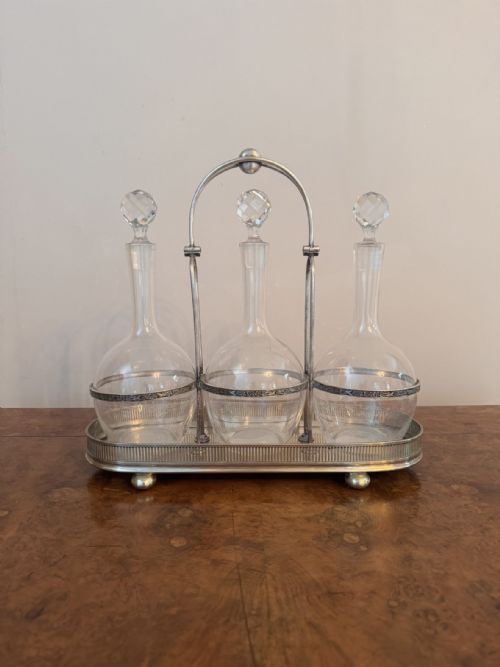
When searching for a glass drinks decanter, buyers encounter a diverse range of vessels and fitted housings dating from the nineteenth and twentieth centuries. The selection encompasses standalone crystal bottles, metal-mounted spirit flasks, and elaborate multi-bottletantaluses designed to secure potable contents.
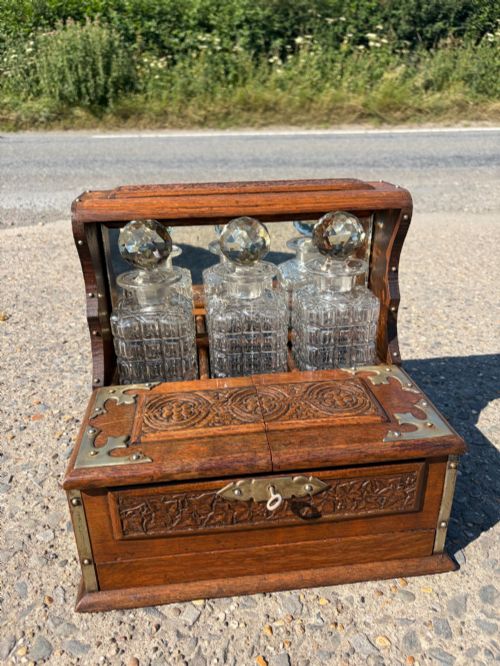
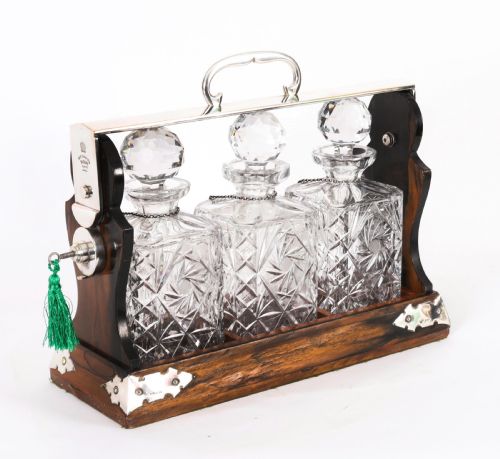
The most common formats on this page include oak and silver-plated three-bottle tantaluses, alongside individual cut crystal decanters and integrated games compendiums. These items span Victorian, Edwardian, and Art Deco periods, reflecting changing social habits around home entertainment.
Originating primarily from British and French workshops, these objects combine utilitarian storage with decorative display. Whether housed in burr walnut, coromandel, or simple mahogany stands, the glassware remains central to the function of serving spirits and cordials.
Materials and Construction
Makers utilised heavy cut crystal and glass for the primary vessels, often employing intaglio engraving or frosting to create decorative surface patterns. These transparent containers are shaped to refract light, accentuating the colour of the spirits contained within.
The supporting frames rely on structural timbers such as oak, mahogany, walnut, and exotic coromandel, frequently enhanced with marquetry stringing or inlaid satinwood. Metal components in silver plate, brass, and chrome provide the locking mechanisms and structural framing characteristic of secure liquor cabinets.
Silver mounts and hallmarks appear on collars, stoppers, and associated tot pails, demonstrating the collaborative output of glassblowers, cabinetmakers, and silversmiths. Locking bars and drop-front mechanisms require precise engineering to secure the bottles effectively.
Glass Drinks Decanter Retail Price Guide 2026
Typical asking prices for glass drinks decanter among the pieces listed under this phrase on Sellingantiques today, from the lower quarter to the upper quarter. They describe what is for sale here now, not the wider market.
Some oak decanter sets thoughtfully included miniature tot pails so guests could haul their own rations without bothering the host.
Judging Quality
The standard of a piece rests upon the crispness of the glass cutting and the weight of the crystal vessels. Superior examples display deep, sharp facets without surface ripple, accompanied by matching stoppers that fit their respective necks precisely.
Cabinetwork differentiates standard production from exceptional output, with tight joinery, figured timber veneers, and intact interior fittings setting the better items apart. The integration of functional elements, such as working locks with original keys and well-fitted games compartments, elevates a piece.
Metalwork quality is evident in the thickness of the silver plate over base metal, the absence of wear on high-touch surfaces, and the smooth operation of mechanical locking bars. Maker marks and hallmarks further distinguish items produced by established silversmiths and specialised firms.
Betjemann’s·Hukin & Heath·Webb Corbett
The Glass Drinks Decanter Glossary
- Tantalus
- A locking spirit cabinet that secures decanters behind a metal bar to prevent unauthorized access while displaying the contents. The design allows the bottles to be seen but not removed without a key.
- Cut Crystal
- Glass containing lead oxide that is faceted by grinding and polishing to increase brilliance and weight. This material produces a clear ring when struck and deep light refraction.
- Silver Plate
- A layer of silver fused to a base metal core, commonly used for the mounts, handles, and framework of nineteenth-century barware. It provides the appearance of solid silver at a lower manufacturing cost.
- Intaglio
- A technique where the design is incised or sunk below the surface of the glass rather than carved in relief. This method requires skilled hand-cutting to achieve subtle depth and shading.
- Compendium
- A multi-functional box containing games equipment alongside spirit storage, combining leisure and hospitality in a single portable case. These units often feature folding boards and fitted compartments for cards or counters.
Glass Drinks Decanter: Frequently Asked Questions
What is a tantalus and how does it work?
A tantalus is a locking frame designed to hold spirit decanters securely in place. A metal bar locks across the stoppers, preventing the bottles from being removed without a key.
This ingenious mechanism allowed hosts to display expensive spirits in the dining room or study while keeping the contents safe from servants or guests.
How do I date a glass drinks decanter?
Dating relies on a combination of manufacturing techniques, timber choices, and any associated metal hallmarks. Victorian pieces often feature heavy oak frames and complex silver plating, while Art Deco items lean towards chrome and geometric glass forms.
Examining the pontil mark on the base of the glass and the style of the bottle stoppers provides further clues to the period of manufacture.
Are the stoppers original to the decanters?
Original stoppers generally match the cut pattern, glass colour, and wear patterns of the decanter body. Hand-ground stoppers often bear a matching number scratched or etched into the base of the neck.
Checking the fit and continuity of the design helps confirm whether the stopper has remained with the vessel since its creation.
How should I care for antique glass and wood?
Antique glass benefits from gentle hand washing in lukewarm water with mild soap, avoiding sudden temperature changes that can crack old crystal. Wooden frames and metal mounts require occasional treatment with suitable wax and dry dusting.
Keeping the items away from direct sunlight and excessive humidity preserves both the timber finish and the integrity of the silver plate.