


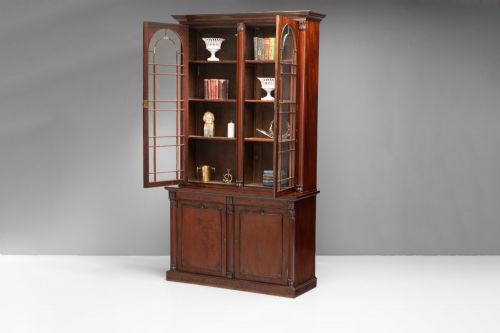


Glass Display Shelving
Glass display shelving forms the backbone of any serious room, bringing together timber frames and transparent tiers to hold your collection.
Glass Display Shelving
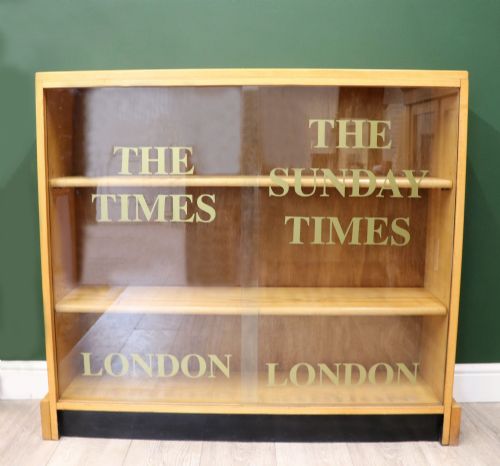
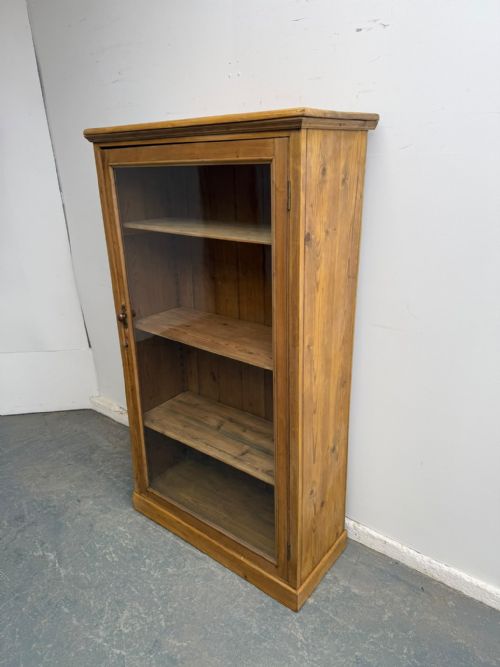
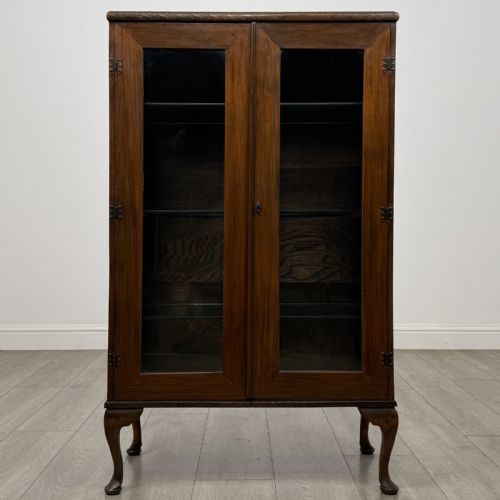
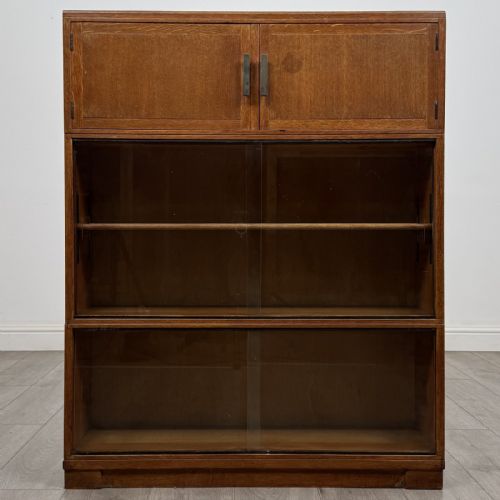
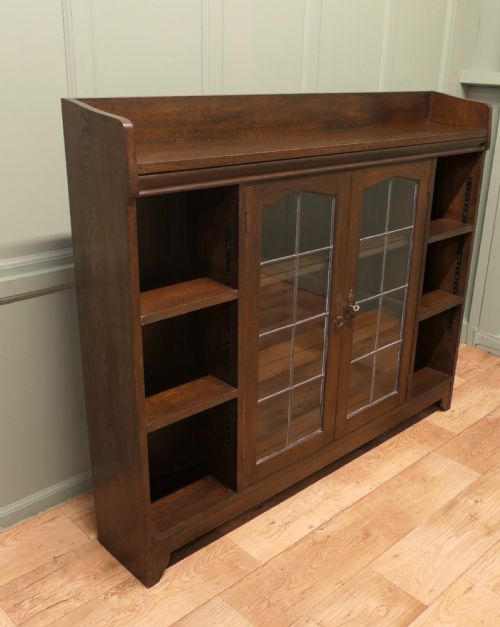
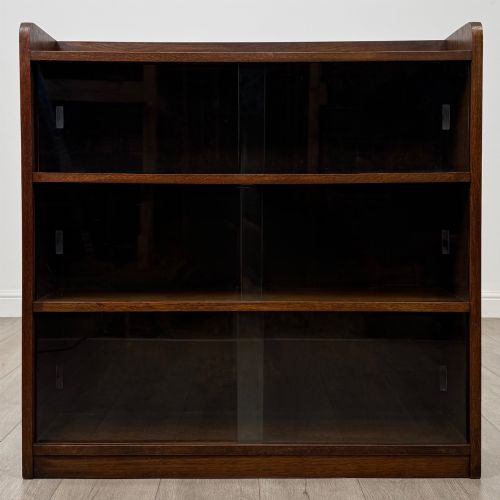
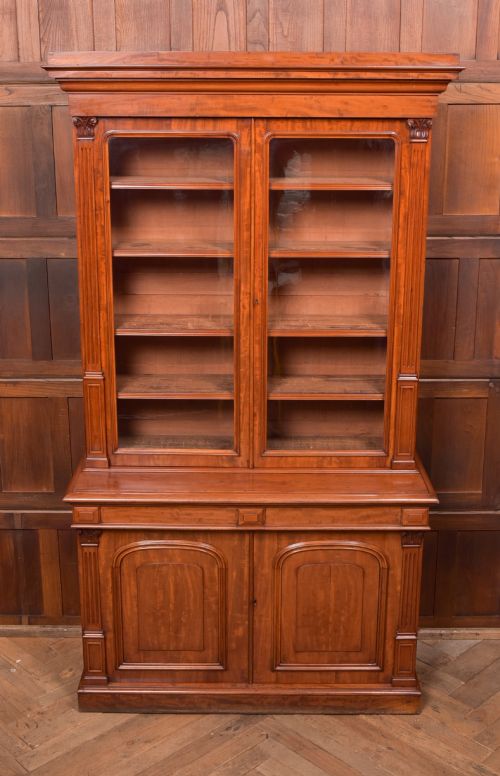
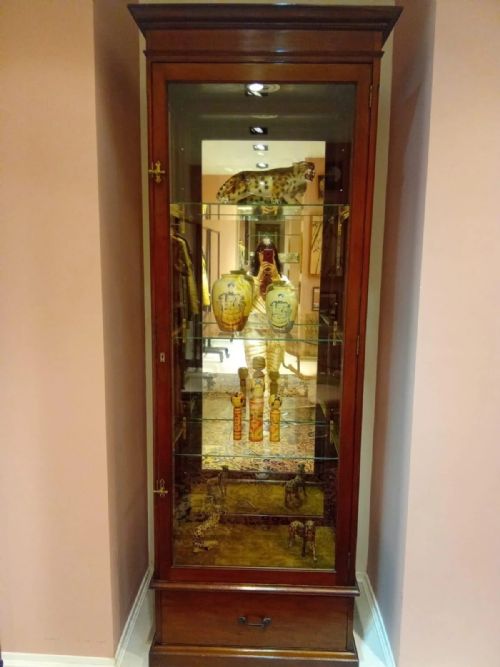
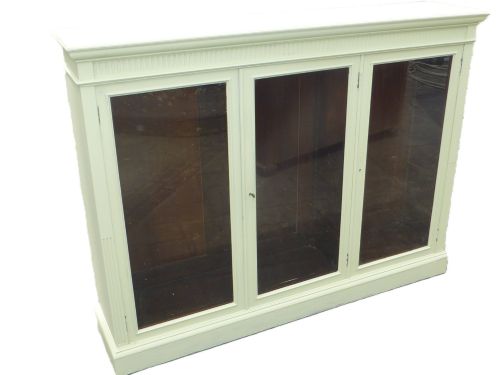
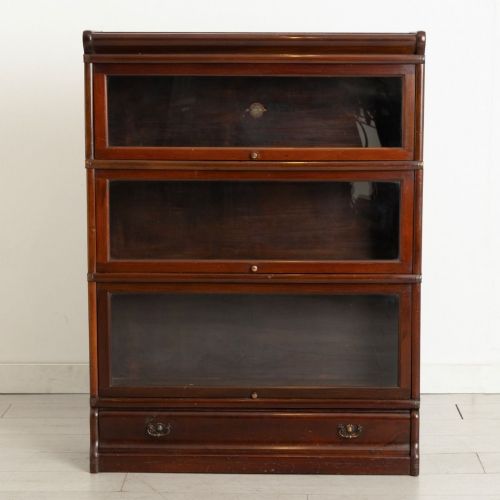
Glass display shelving covers a range of upright furniture, from tall bookcases with glazed doors to dedicated shop display cabinets and sectional stacks. You will encounter Edwardian and Victorian mahogany cabinets most frequently, alongside stacking oak bookcases from the early twentieth century.
Makers built these pieces primarily to exhibit books, china, and curated objects while protecting them from dust. The inclusion of glass in doors, sides, and internal tiers allows light to pass through the entire structure.
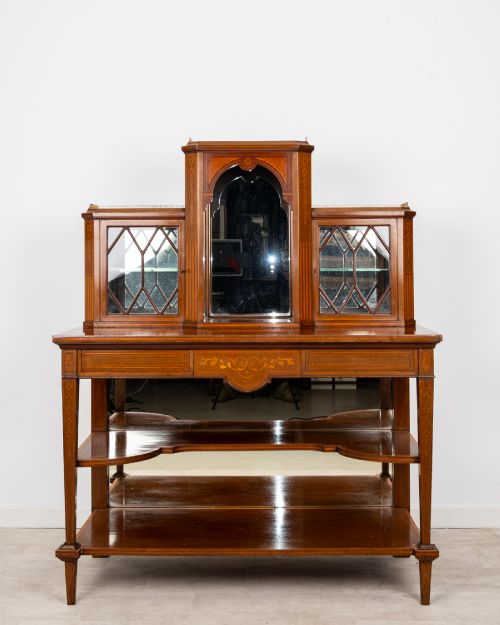
Origins stretch from nineteenth century workshops through to Art Deco designs of the nineteen thirties. Pieces take the form of freestanding units, wall mounted shelves, and specialised writing desks with display space.
Judgements of Quality
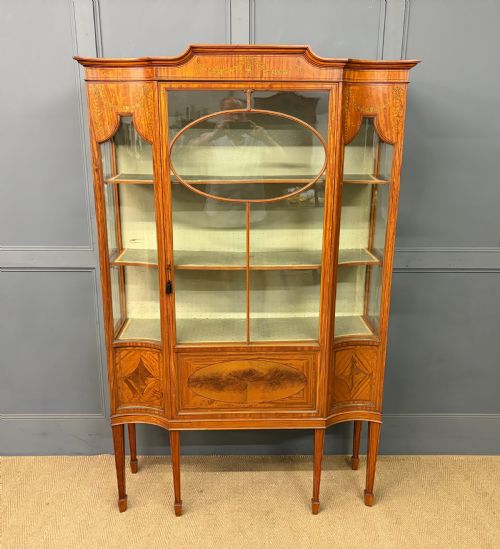
Quality rests on the selection of timber grain and the precision of the joinery used in the frame. Superior pieces demonstrate crisp inlay work, well fitted doors that run smoothly, and original bevelled glass plates.
The sophistication of the internal fittings, such as adjustable brass shelf supports and mirrored backs, separates standard utility furniture from high workshop production. Original hardware and intact glass tiers elevate a piece considerably.
Glass Display Shelving Retail Price Guide 2026
Typical asking prices for glass display shelving among the pieces listed under this phrase on Sellingantiques today, from the lower quarter to the upper quarter. They describe what is for sale here now, not the wider market.
Materials range from solid oak and figured walnut to delicate satinwood inlay, brass fittings, and mirrored glass backs.
William Baker & Co ltd·Minty of Oxford·Maple & Co·Globe Wernicke·Lambs of Manchester·Druce & Co
The Glass Display Shelving Glossary
- Sectional bookcase
- A modular bookcase built from interchangeable stacked units with glass lifting doors. This design allows sections to be added or rearranged independently.
- Glazed
- Fitted with panes of glass to enclose the interior space. This term indicates a cabinet designed to display items while keeping them protected.
- Bonheur du jour
- A small light lady writing desk featuring an upper section with shelves or a cabinet. These pieces combine a writing surface with display space.
- Etagere
- A piece of furniture consisting of a number of open shelves for displaying small objects. They stand freestanding and offer all round visibility.
- Gesso
- A plaster based material applied to wood surfaces before gilding. It provides a smooth base for gold leaf application on ornate frames.
Glass Display Shelving: Frequently Asked Questions
How do I date a glass display cabinet?
Examine the timber species, handles, and construction methods used in the carcass. Edwardian and Victorian pieces often show hand dovetailing and specific wood choices like satinwood or dark mahogany.
Look closely at the glass itself for subtle waviness or bubbles indicative of older manufacturing methods. Maker labels or stamps on the interior timber provide definitive dates.
Are stacking bookcases stable?
Stacking bookcases rely on individual modular tiers resting one upon the other without permanent fixings. Their weight keeps them secure when properly assembled on a level floor.
Avoid overloading the upper tiers to maintain a low centre of gravity. Most sections lift off independently to make moving the assembly straightforward.
How do I clean antique glass shelves?
Use a soft microfiber cloth and a mild ammonia free glass cleaner applied to the cloth rather than directly onto the glass. This prevents liquid from seeping into surrounding wooden frames or antique mirror silvering.
Take care around old putty, lead cames, or wooden beadings holding the glass in place. Support loose shelves from underneath when removing them for cleaning.