





Glass Countertop Showcase
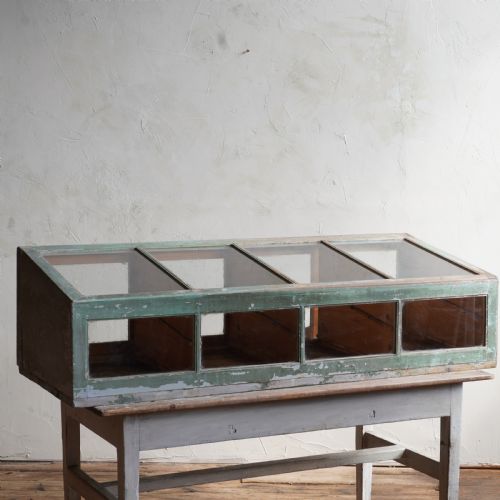
A glass countertop showcase sits on shop counters and tables to display small goods clearly to customers.
Glass Countertop Showcase
A glass countertop showcase is a small retail display unit designed to sit upon a counter or table. When searching for a glass countertop showcase, buyers encounter pieces originating from the Victorian era, the Edwardian period, and the 1920s and 1930s. These items served as shop display cabinets, display cases, and display boxes.
The selections available span commercial shop fittings from the late nineteenth century through to the interwar years. Makers and commercial furnishers produced them to showcase confectionery, tobacco, jewellery, and apothecary goods directly to the public. Oak and mahogany form the primary timber carcases for these tabletop display pieces.
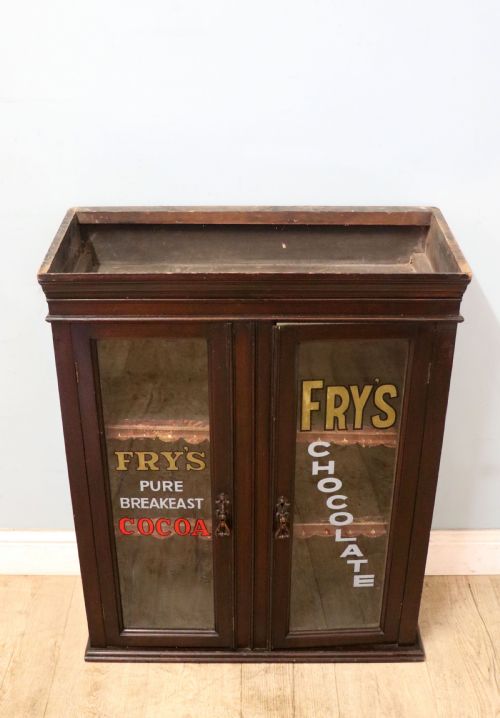
Victorian and Edwardian examples sit alongside later industrial and Art Deco variations. Many feature glazed panels and hinged or sliding doors to protect merchandise while maintaining visibility. Some retain original or later sign-written advertising for companies such as Fry, Rowntree, and Cadbury.
Evaluating quality and condition
Quality in these commercial display pieces rests on the integrity of the timber framing and the clarity of the glazing. Superior examples retain their original brass fittings, intact glass panels, and sound structural joinery without excessive warping. The presence of original advertising sign-writing adds notable character and historical interest to commercial pieces.
Condition varies from distressed paint and weathered surfaces to fully restored woodwork and clean glass. The finesse of the original joinery and the survival of interior linings such as velvet or felt distinguish standard utility pieces from finer retail display fixtures. Alterations, such as later sign-writing applied to older carcases, influence the overall character of the piece.
Glass Countertop Showcase Retail Price Guide 2026
Typical asking prices for glass countertop showcase among the pieces listed under this phrase on Sellingantiques today, from the lower quarter to the upper quarter. They describe what is for sale here now, not the wider market.
Chocolate lovers can find countertop cabinets that once tempted customers with retro sweets from Rowntree, Fry, and Cadbury.
F. Sage and Co. London
The Glass Countertop Showcase Glossary
- Countertop display cabinet
- A small glazed cabinet designed to sit upon a shop counter for merchandise display. These units typically feature glass on multiple sides.
- Ebonized
- Wood treated with a finish to resemble ebony. This dark, formal treatment appears on several 1920s commercial cabinets.
- Sign-written
- Hand-painted lettering applied to glass or wood for commercial advertising. Surviving examples often promote period confectionery brands.
- Shopfitting
- The trade and craft of manufacturing interior fixtures for retail premises. Victorian and Edwardian shopfitters produced bespoke display cases.
- Apothecary
- A historic practitioner who prepared and sold medicines. Apothecary cabinets often utilised small drawers and glazed compartments for organisation.
Glass Countertop Showcase: Frequently Asked Questions
What were glass countertop showcases used for?
Shopkeepers placed these cabinets on counters to display small, valuable, or perishable goods to customers while keeping them secure. Confectionery, tobacco, and jewellery were common contents.
They raised the merchandise to eye level, encouraging impulse purchases while protecting stock from handling and dust.
How do I date a countertop display cabinet?
Dating relies on timber choices, construction methods, and stylistic cues like Art Deco geometry or Victorian proportions. Maker marks and original advertising offer further chronological clues.
Edwardian and Victorian pieces often display heavier timber frames, whereas 1920s and 1930s variants can exhibit sleeker lines or ebonized finishes.
Where should I place a display cabinet at home?
These compact cabinets sit well on sideboards, desks, or tabletops where natural light can illuminate the interior glass. They suit living rooms or studies for displaying small collections.
Ensure the supporting surface is stable and capable of bearing the combined weight of the timber carcase and glass panels.
How do I care for antique glass and wood?
Dust the timber regularly with a soft, dry cloth and avoid harsh chemical polishes that can degrade historic finishes. Clean the glass with a mild solution applied to a cloth rather than sprayed directly.
Keep the cabinets away from direct sunlight and extreme temperature fluctuations to prevent the wood from splitting and the glue from failing.