

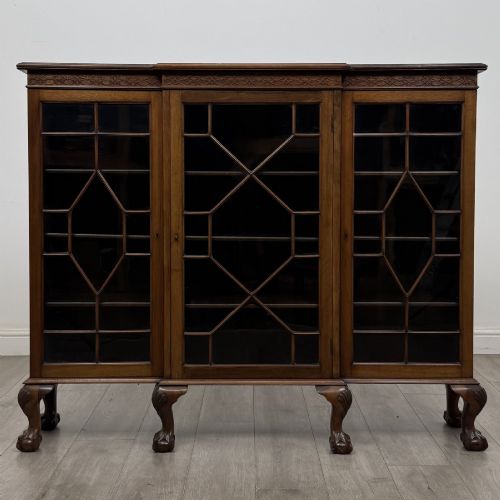
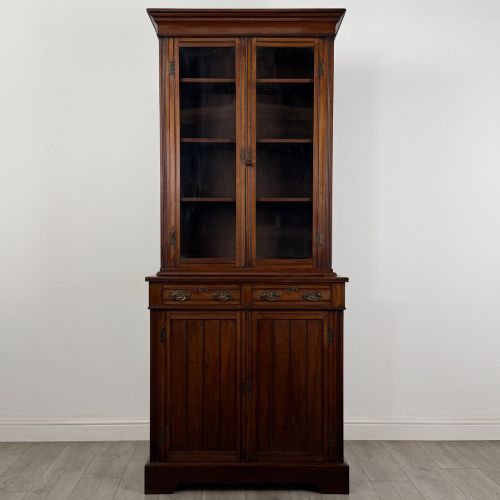
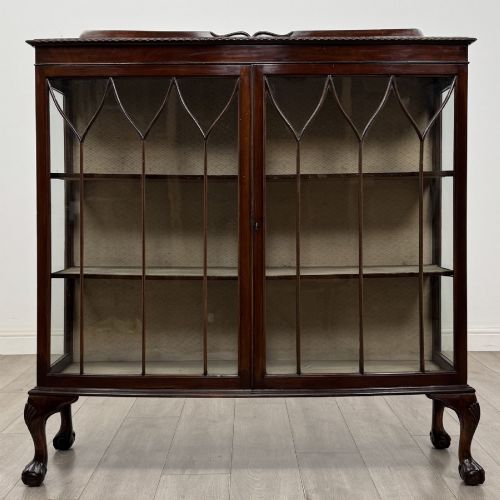
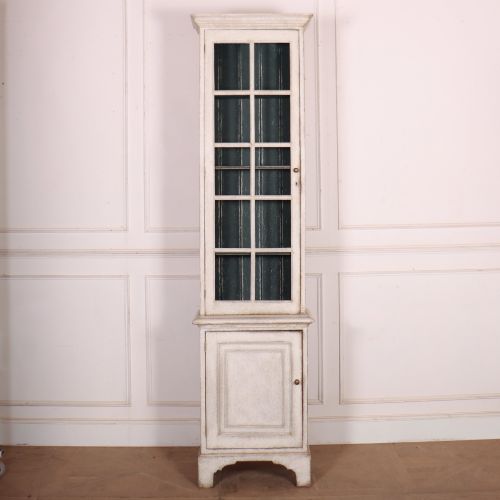
Glass and Wood Cabinet
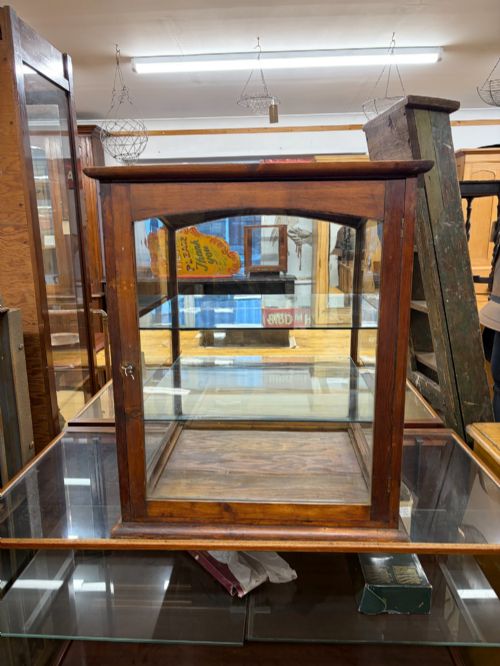
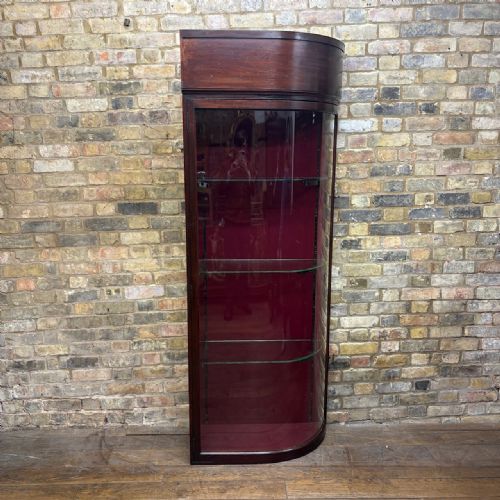
Glass and wood cabinets combine timber frames with transparent panels to display and protect valued objects.
Glass and Wood Cabinet
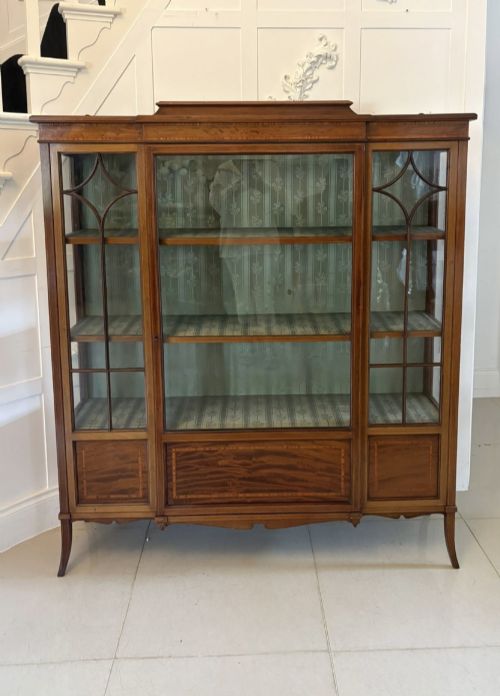
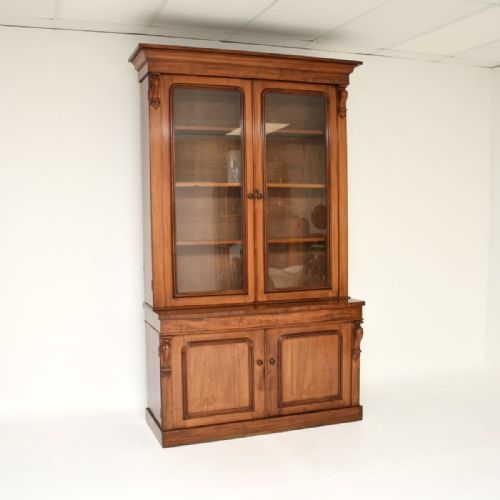
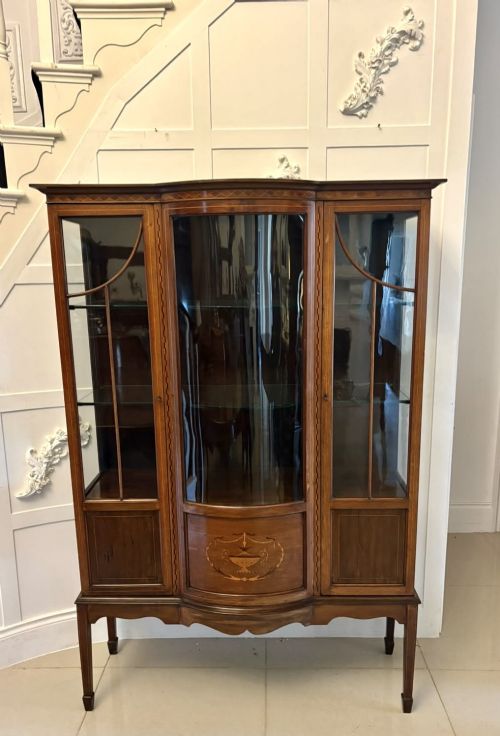
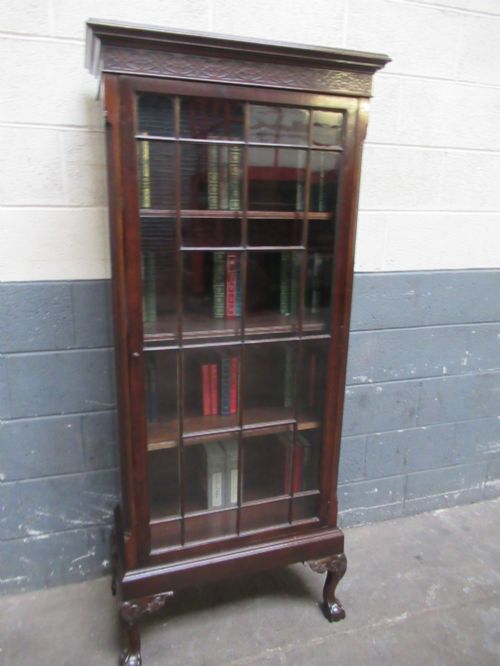
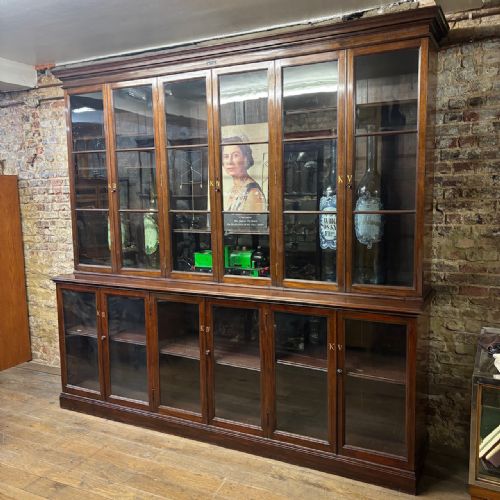
A glass and wood cabinet serves primarily to house books, china, and decorative items while keeping dust at bay. Buyers seeking a glass and wood cabinet will encounter forms ranging from tall bookcases and breakfronts to low credenzas and music cabinets.
The selection spans periods from the nineteenth century through the Edwardian era and the 1920s, reflecting Victorian, Regency, and Art Deco styles.
Mahogany and oak dominate the current stock, often complemented by satinwood, rosewood, and amboyna veneers.
How they were made
Cabinet makers utilised dense hardwoods such as mahogany and oak for structural integrity, shaping them into frames for glazed doors and side panels.
Satinwood, rosewood, and amboyna provided decorative surfaces, frequently enhanced with inlay work, brass mounts, and ormolu details.
Glazing techniques secured glass panes within timber framing, while specialised hardware such as sliding doors or up and over mechanisms appeared in later twentieth-century pieces.
Glass and Wood Cabinet Retail Price Guide 2026
Typical asking prices for glass and wood cabinet among the pieces listed under this phrase on Sellingantiques today, from the lower quarter to the upper quarter. They describe what is for sale here now, not the wider market.
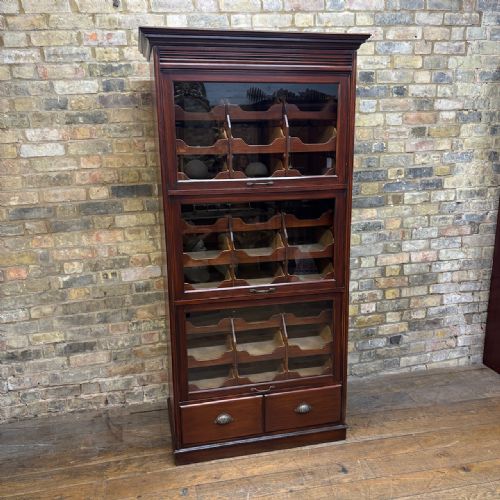
Among the shelving and display cases rests a stationers cupboard intended originally for sorting pens in a Victorian shop.
What varies in quality
Selection of timber grain and the precision of inlaid decoration separate standard production items from finer workshop pieces.
The integration of metal mounts, carved details, and original painted decoration indicates the level of craftsmanship invested in the construction.
Gunn Furniture·Macey·Gabriel Viardot·Jas Shoolbred
The Glass and Wood Cabinet Glossary
- Breakfront
- A piece of furniture where the central section projects forward from the flanking sections. This configuration creates visual depth in larger display cabinets.
- Credenza
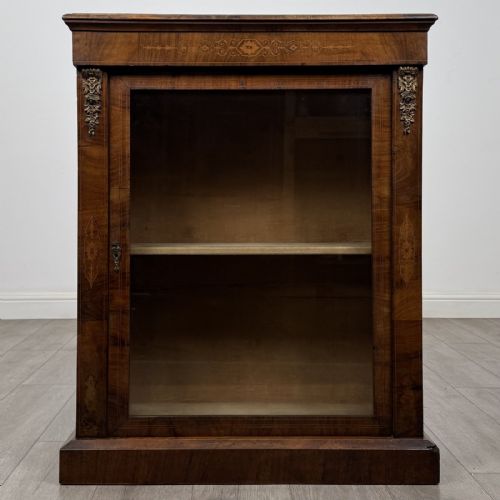
- A low cabinet, often featuring doors and shelving, used originally for serving food or displaying objects. These pieces frequently incorporate amboyna and mahogany veneers.
- Vitrine
- A glass-sided cabinet designed specifically for displaying fine porcelain and curiosities. Ormolu mounts and French styling often accompany this form.
- Bijouterie cabinet
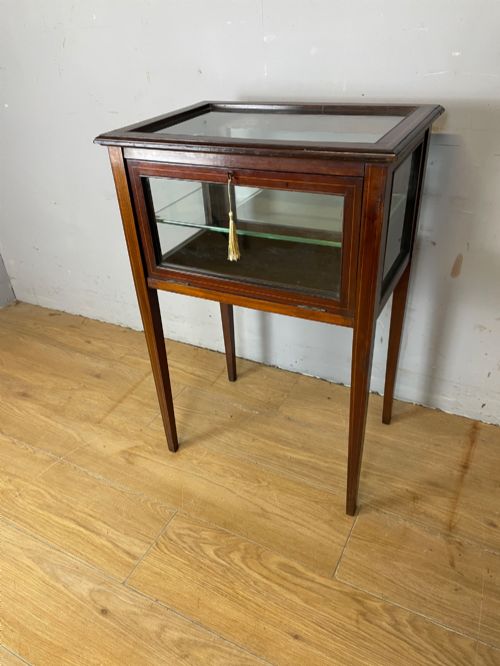
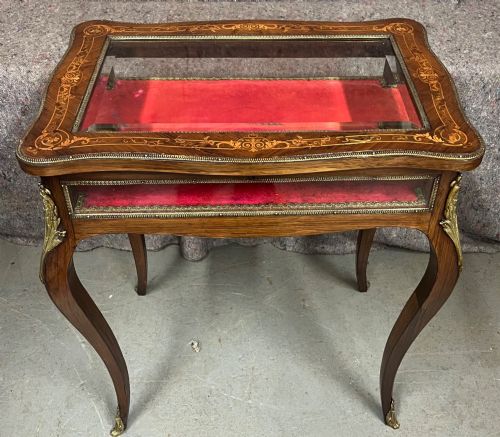
- A glazed display case tailored for small precious objects, typically raised on slender legs. Victorian examples often feature hinged glass tops for direct viewing.
Glass and Wood Cabinet: Frequently Asked Questions
What is a glass and wood cabinet used for?
These cabinets serve to store and exhibit books, china, and decorative objects. The transparent panels protect contents from dust while maintaining visibility.
Different formats, from tall bookcases to low credenzas, suit various domestic spaces and collection types.
How do I identify an Edwardian display cabinet?
Edwardian pieces often feature light mahogany timbers, frequently adorned with delicate inlay work. Cabriole legs and raised galleries are common structural traits.
These cabinets typically date from the early twentieth century and prioritise refined, lighter proportions compared to earlier Victorian furniture.
What materials are typical for these cabinets?
Mahogany and oak form the primary structural timbers across the selection. Secondary woods and veneers include rosewood, satinwood, and amboyna.
Brass hardware and ormolu mounts frequently provide functional and decorative accents.
How do I care for a wood and glass cabinet?
Maintain the timber surfaces using appropriate furniture wax applied sparingly. Clean glass panels with standard solutions while avoiding moisture contact with antique wood.
Place cabinets away from direct sunlight and major temperature fluctuations to protect veneers and joints.