

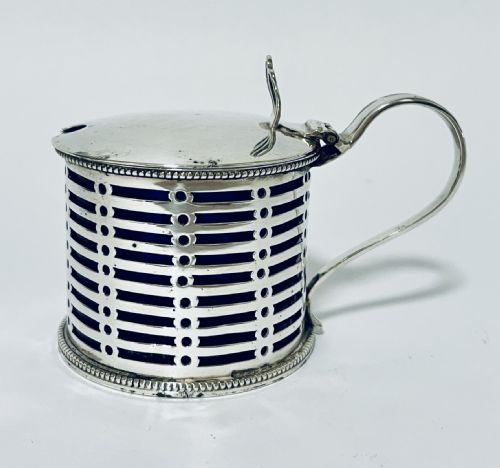
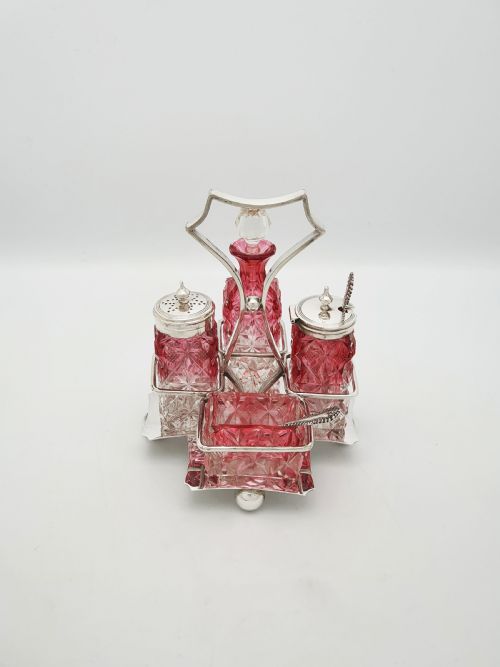


Glass and Silver Caddy
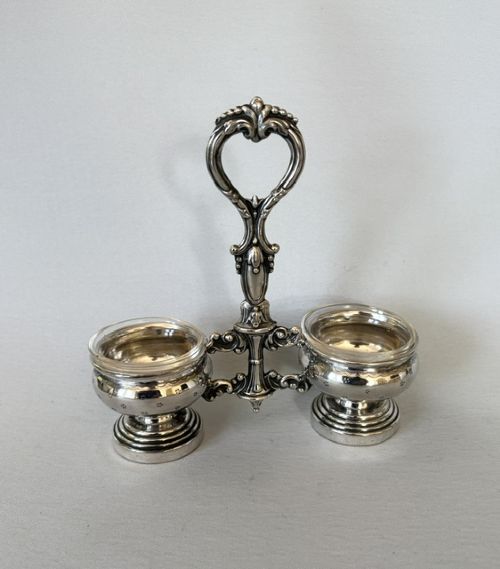
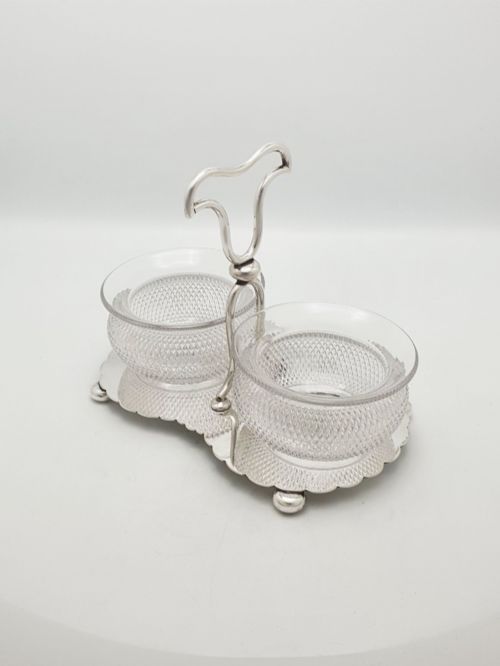
These glass and silver caddy examples combine cut crystal containers with sterling or plated mounts, offering a refined way to serve tea, condiments, or spirits.
Glass and Silver Caddy
A glass and silver caddy encompasses a diverse group of table vessels, ranging from individual tea containers to large multi-bottle condiment stands and tantalus frames. When sorting through these listings, a buyer encounters domestic tablewares primarily from the Georgian, Victorian, and Edwardian eras.
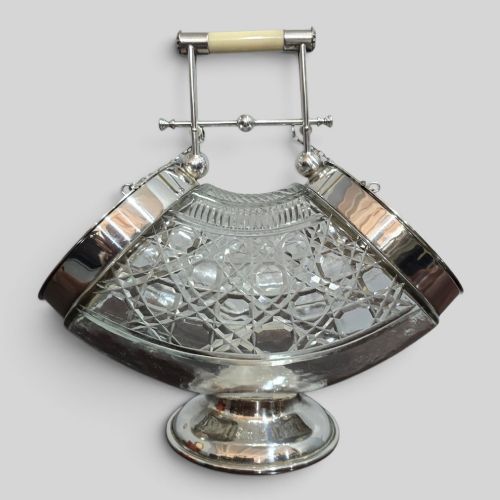
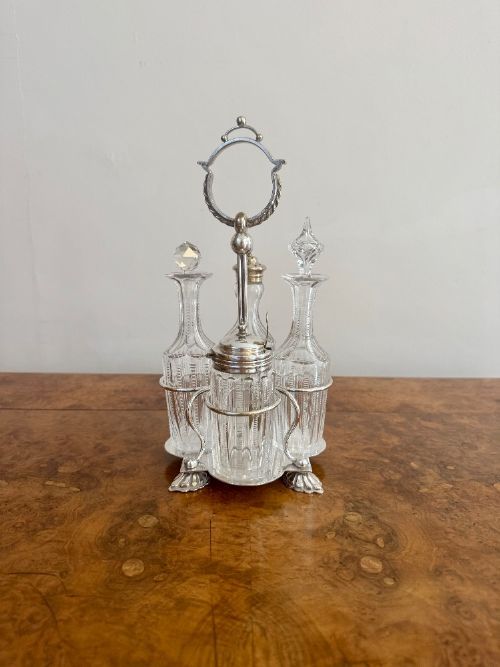
The most frequent items found under this heading are cruet sets and biscuit barrels, which pair clear or cranberry glass containers with silver plated frames. These domestic objects reflect formal dining habits of the nineteenth and early twentieth centuries, merging utilitarian glass storage with decorative metalwork.
Materials and construction
Makers shaped heavy crystal and glass using hobnail cutting and moulding techniques to catch the light, pairing these transparent vessels with solid sterling silver or silver plated metal mounts. Oak frames also appear alongside glass and metal components, particularly in larger decanter tantalus sets.
Craftsmen utilised pierced silver plate work, cast mounts, and engraved glass panels to secure the glass securely within its frame. The integration of metal fittings required precise metalworking to match the contours of each bespoke glass liner, jar, or bottle.
Automated biscuit boxes and lockable tantalus frames show how Victorians cleverly combined snack security with dining room hospitality.
Judging the range
Quality rests upon the crispness of the glass cutting and the weight of the metal mounts. Heavy hobnail cutting and deeply etched patterns indicate finer manufacturing than simple pressed glass alternatives.
The integration between the glass vessel and its metal frame distinguishes standard production from superior examples. Well-balanced stands with substantial silver plating or sterling components retain their structural integrity and visual clarity over generations of use.
Mappin Brothers·Elkington·William Rudkins·Wade Wingfield Wilkins·Jacques Adnet
The Glass and Silver Caddy Glossary
- Cruet set
- A matched collection of glass bottles or castors mounted in a metal stand for holding condiments at the dining table. These sets often include mustard pots, pepper castors, and oil cruets.
- Tantalus
- A locked wooden or metal frame enclosing glass decanters to prevent unauthorized access to spirits while displaying the contents. The locking mechanism secures the stoppers in place until released by a key.
- Biscuit barrel
- A covered container designed for storing and serving dry biscuits or crackers in a formal drawing room or dining setting. They frequently feature a glass body housed within a pierced silver plated frame with a hinged lid.
- Hobnail cut
- A decorative surface pattern of small, pointed pyramids cut into glass that creates a textured, light-reflecting finish. This tactile cutting style is typical of fine nineteenth-century glassware.
- Cranberry glass
- A rich pinkish-red glass produced by adding gold chloride to the molten batch during manufacturing. It appears frequently in decorative nineteenth-century tableware and cruet inserts.
Glass and Silver Caddy: Frequently Asked Questions
What was a glass and silver caddy used for?
These vessels served various functions depending on their form, ranging from storing dry tea leaves to holding table condiments and spirits during formal meals. Domestic households relied on them to keep dining tables organised and provisions securely presented.
Tea containers preserved delicate leaf blends, while cruet sets and condiment stands kept seasonings within reach of diners. Tantalus frames provided secure storage for alcoholic beverages in the dining room or study.
How do I date a silver and glass piece?
Dating relies on stylistic clues, framing techniques, and hallmarks stamped onto the metal mounts. Victorian examples often feature heavy ornamentation, while Edwardian items lean towards lighter, pierced silver plate.
Georgian pieces display hand-cut crystal details and simpler, heavier mounts without mass-produced plating. Examining the construction of the glass and the style of the metal frame helps narrow down the period of origin.
Are the glass inserts usually original?
Many surviving pieces retain their original matched glass bottles, liners, and stoppers, which were individually fitted to the frames. Because glass is fragile, some items have replacement liners or matched stoppers from the same era.
Checking the fit inside the metal mounts reveals whether the glass container belongs to the original manufacturing period. Exact matching of hobnail cutting or colour tone indicates a cohesive set.
How should I care for silver plated stands?
Cleaning requires gentle silver polish applied sparingly to avoid wearing through the plated layer over the base metal. Soft cloths prevent scratching on both the metal mounts and the cut glass surfaces.
Harsh chemical dips can damage vintage plating and antique glass patination over time. Regular dusting and careful hand washing of the glass inserts keep the materials stable and bright.