

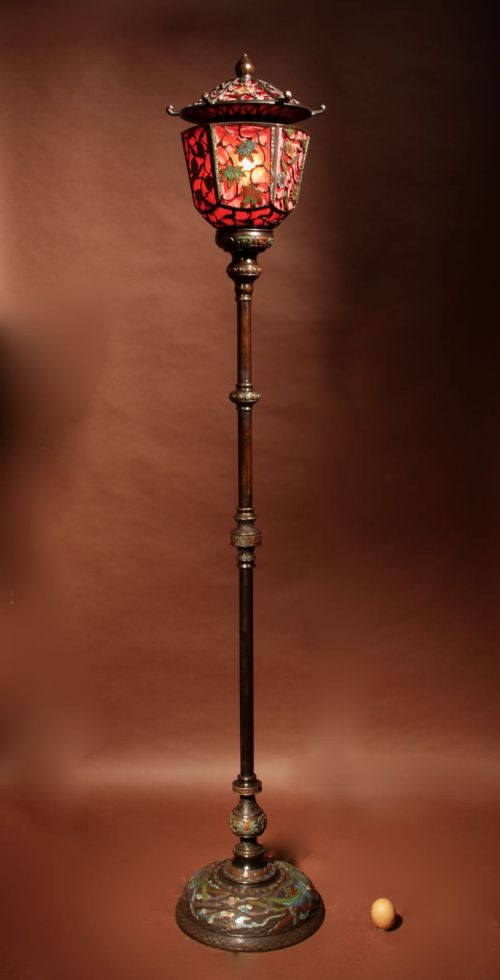
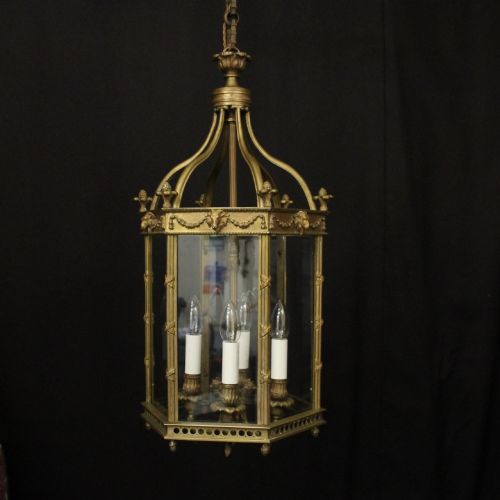
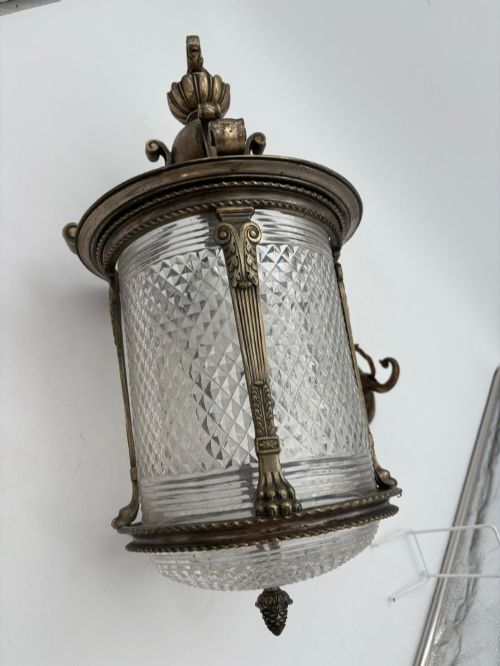
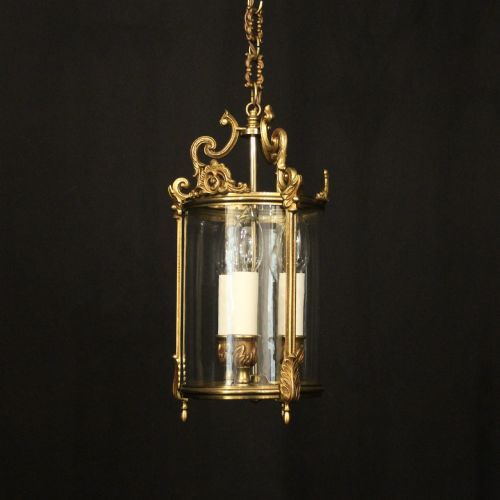
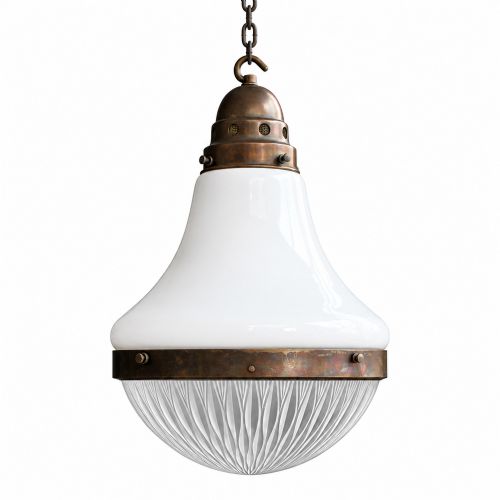
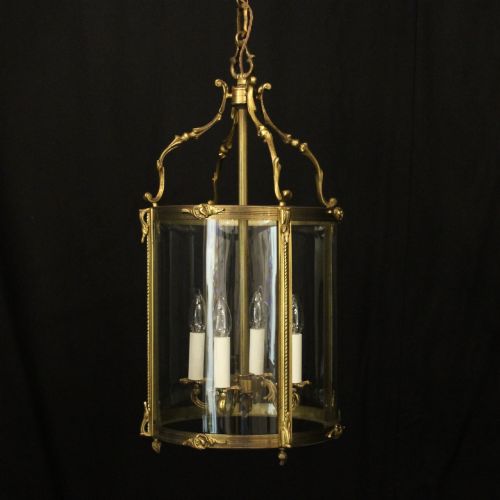
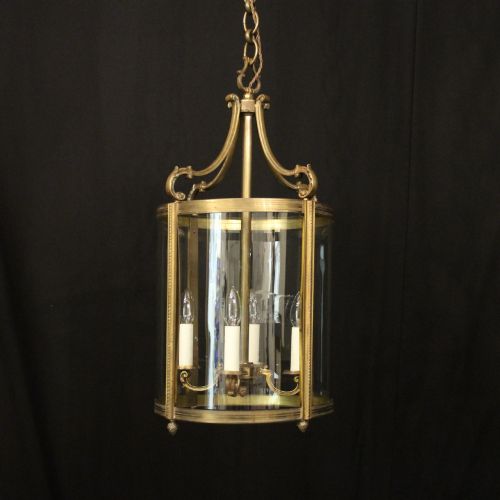
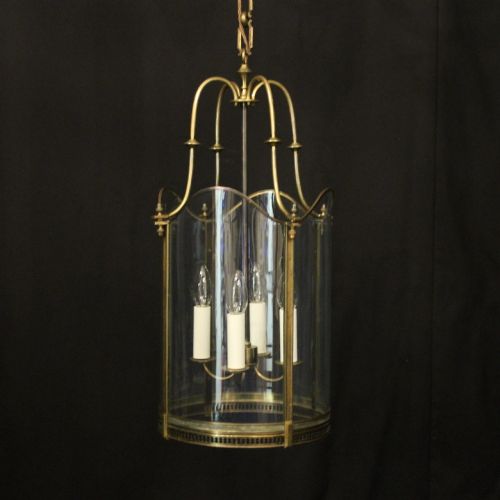
Glass and Bronze Lantern
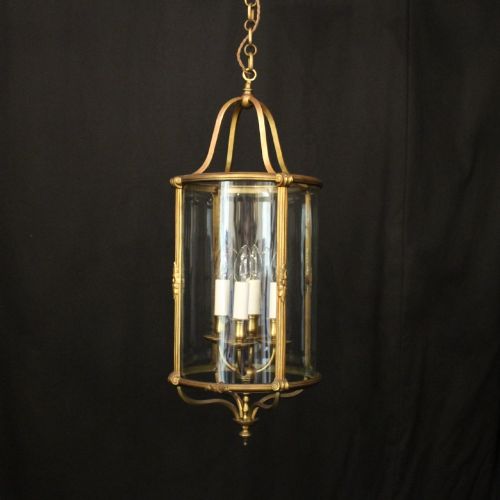
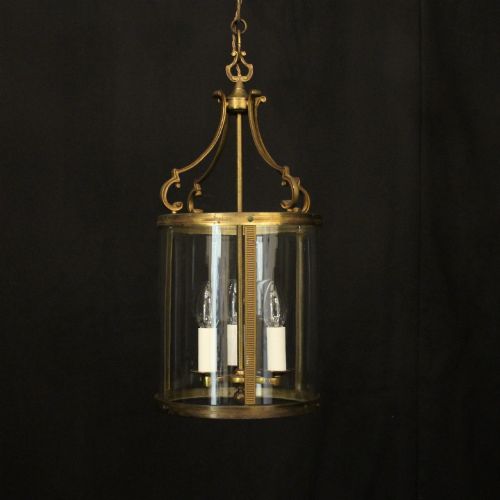
A glass and bronze lantern hangs in an entrance hall to catch the light and set a formal tone.
Glass and Bronze Lantern
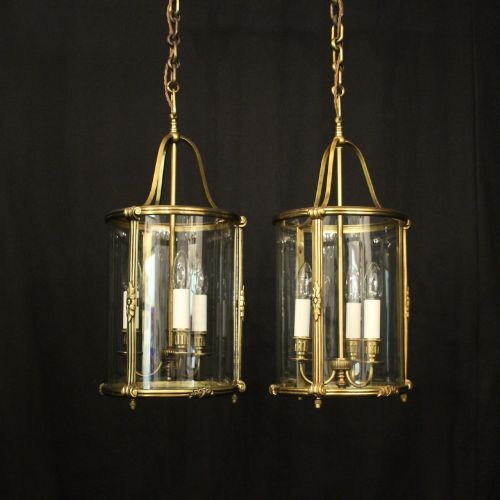
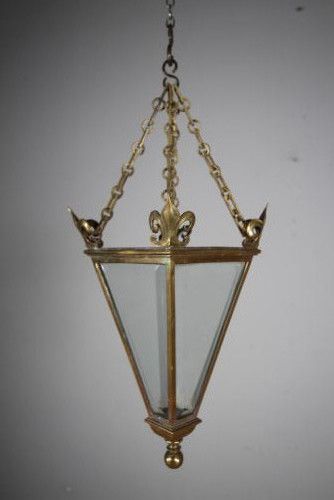
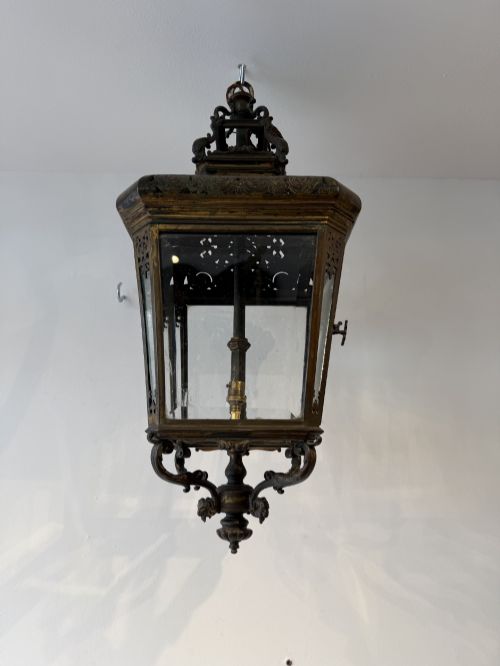
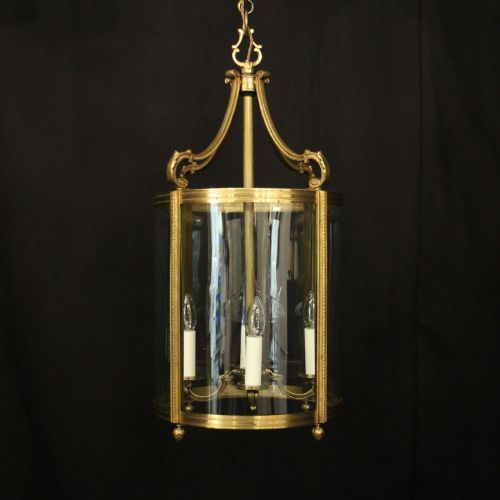
A glass and bronze lantern typically serves as overhead illumination in a hallway, vestibule or staircase, combining structural metal frames with transparent panels.
The versions most common here are French and English hall lanterns dating from the nineteenth and early twentieth centuries, particularly the nineteen-twenties.
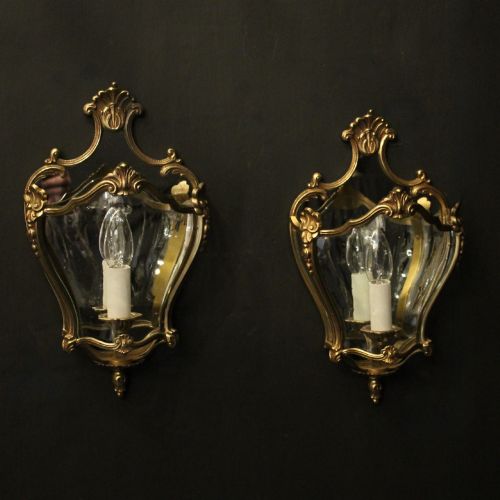
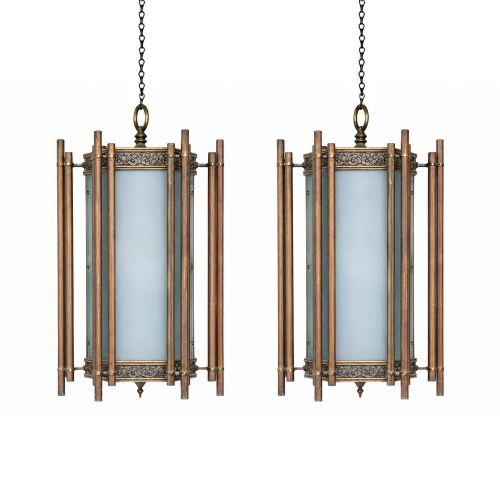
Makers produced these fixtures in various formats including ceiling pendants, flush ceiling lights, half lanterns for walls, and multi-light chandeliers.
Materials and construction methods
Foundries cast bronze and brass frames into ornate or neoclassical shapes, frequently applying a gilt or silvered finish to the metal surface.
Glaziers fitted the metallic cages with flat, bevelled, convex or frosted glass panes that diffused the internal candlelight or electric illumination.
Glass and Bronze Lantern Retail Price Guide 2026
Typical asking prices for glass and bronze lantern among the pieces listed under this phrase on Sellingantiques today, from the lower quarter to the upper quarter. They describe what is for sale here now, not the wider market.
Listings feature pieces from the Victorian and Edwardian eras alongside the nineteen-twenties, utilising gilt bronze, brass, and cut glass.
Distinctions in manufacture and design
Quality rests on the crispness of the bronze casting and the depth of the gilding, where heavier metalwork and intricate chased detail mark out superior examples.
The choice of glass also defines the tier of the piece, with heavy bevelled or convex panes requiring greater skill to cut and fit than standard flat glass.
F And C Osler·Perry And Co
The Glass and Bronze Lantern Glossary
- Convex glass
- Curved glass panels that project outward to diffuse light across a wider angle. They require specialist manufacturing techniques.
- Gilt bronze
- Bronze metal treated with a thin layer of gold or gold paint to provide a bright, reflective finish. It is often associated with French neoclassical design.
- Hall lantern
- A pendant lighting fixture designed specifically for narrow entrance spaces and corridors. These pieces hang from a single chain or rod.
- Bevelled glass
- Glass panes finished with an angled edge around the perimeter. This treatment catches and refracts light from the interior bulbs.
- Half lantern
- A light fixture split flat down the vertical axis to mount directly against a wall surface. They function like wall sconces with enclosed glass sides.
Glass and Bronze Lantern: Frequently Asked Questions
Where should I hang a glass and bronze lantern?
These fixtures suit entrance halls, vestibules, and high-ceilinged landings where adequate vertical clearance allows the piece to suspend safely overhead.
They provide a direct focal point upon entering a property while casting ambient downward light across the surrounding space.
How do I identify the period of my lantern?
Dating relies on stylistic clues such as neoclassical motifs for nineteenth-century examples or cleaner geometric lines for nineteen-twenties pieces.
Examining the fixings, wiring channels, and casting methods also helps determine the era of manufacture.
Were these lanterns originally meant for candles?
Earlier examples from the Victorian era and the nineteenth century were designed to burn candles before workshops adapted them for gas and electricity.
Many surviving pieces retain their internal burner assemblies or have undergone careful rewiring for modern domestic use.
What maintenance do these bronze frames require?
Metal frames benefit from gentle dusting with a soft dry cloth to prevent the accumulation of grime on the gilded surfaces.
Harsh chemical cleaners should be avoided to protect the original bronze patination and gold leaf finishes.