

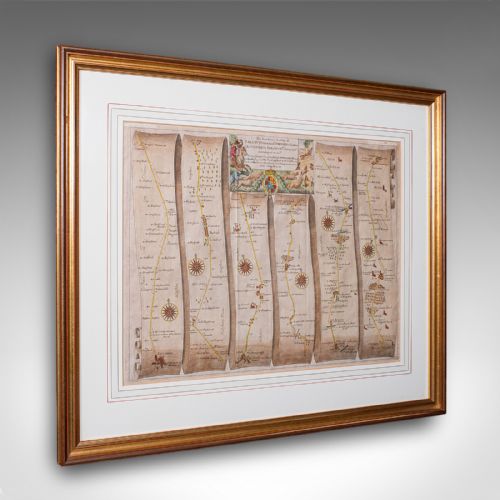


Gilt Wood Framed Engraving
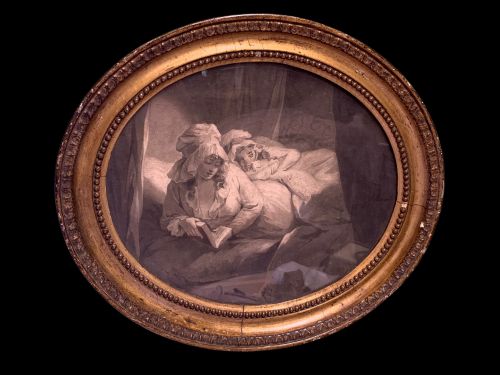
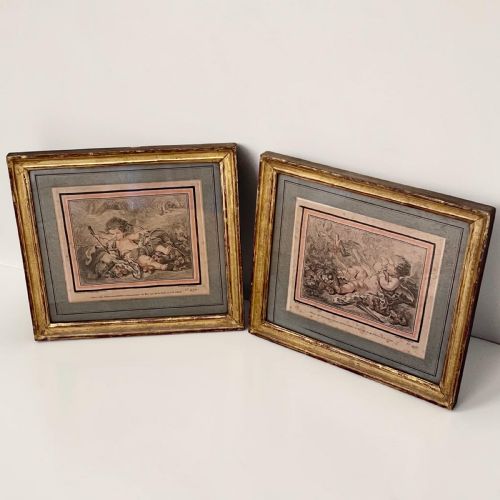
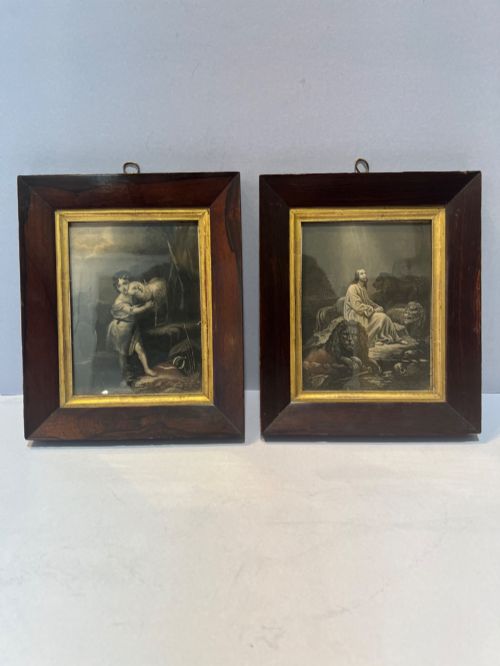
These gilt wood framed engraving pieces combine paper prints and maps with gilded wooden surrounds from the seventeenth century onwards.
Gilt Wood Framed Engraving
When you search for a gilt wood framed engraving, you encounter wall art that pairs a paper print, map or portrait with a decorative wooden frame. These pieces span the seventeenth, eighteenth and nineteenth centuries, taking the form of wall mirrors with engraved plates, coaching maps, animal portraits and literary scenes.
The versions you meet most often on this page include Georgian and Victorian examples, alongside Edwardian mezzotints and Regency topographical prints. They range from small single portraits to sets of French engravings and large English cartography.
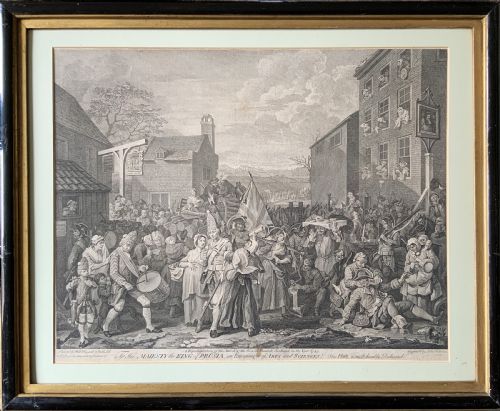
Makers and artists represented across the periods include William Hogarth, Gustave Doré, Robert Morden and William Powell Frith. Each piece preserves historical imagery within its period surround, offering a direct link to past craftsmanship.
How they were made
The construction relies on paper prints, engravings or maps housed behind glass within wooden frames finished with gold leaf or giltwood. Artisans carved the timber bases in styles such as Italian Rococo, French Rococo and Grand Regency before applying the gilded surface.
Techniques combine traditional printmaking, including etching and lithography, with manual woodcarving and gilding. Rosewood veneer also appears on supporting elements, complementing the gold leaf and paper components.
Listings span periods from the 17th century through the Edwardian era, incorporating glass, paper, gold leaf and rosewood veneer.
What varies in quality
Quality depends upon the sharpness of the printed line and the depth of the hand-carved detail on the surrounding wood. Finer items exhibit crisp impressions from noted engravers alongside intricately moulded giltwood frames that retain their original gilding.
The relationship between the print and its frame dictates the overall merit of the piece. Superior examples demonstrate harmonious proportions where the period frame enhances the historical significance of the interior artwork or cartography.
Demarteau·William Hogarth·Luke Sullivan·Gustave Doré·Adolphe Pannemaker·Gainsborough·Victor Adam·Robert Morden·William Powell Frith·H. Singleton·J. Mitan·David Wilkie
The Gilt Wood Framed Engraving Glossary
- Engraving
- A printmaking technique where an artist cuts an image into a metal plate using a sharp tool. The resulting lines hold ink to be transferred onto paper.
- Giltwood
- Wood that has been coated with a thin layer of gold leaf or gold paint. It provides a bright, reflective finish popular in traditional framing.
- Mezzotint
- A printmaking method of the tonal category which allows rich gradations of light and shade. It was frequently used for portraits during the eighteenth and nineteenth centuries.
- Cartography
- The study and practice of making maps. Antique examples on this page often document roads and counties from the seventeenth and eighteenth centuries.
- Regency
- A period in British history spanning the early nineteenth century, noted for distinctive neoclassical architecture and interior design styles.
Gilt Wood Framed Engraving: Frequently Asked Questions
How do I date a gilt wood framed engraving?
Dating relies on the style of the frame, the paper type and the clothing or subjects depicted within the artwork. Seventeenth and eighteenth-century examples often display distinct cartography or period portraiture.
Examination of the backboards, fixings and gilding technique also helps determine whether the frame and print are contemporary to one another.
Are these frames original to the prints?
Many pieces retain their period frames, ranging from eighteenth-century English mouldings to Edwardian gilt wood surrounds. Some items reflect later framing choices that complement the age of the central artwork.
Reviewing the materials listed, such as gold leaf and rosewood veneer, gives further context to the age and origin of the ensemble.
How should I hang a heavy giltwood frame?
Giltwood frames can be weighty due to their solid wooden construction and layered preparation. Secure wall fixings suited to the specific wall type are essential for safe display.
Professional framing hooks or picture wire rated for the weight of the piece ensure the frame hangs securely without straining the structure.
What subjects appear in these antique prints?
The selections feature a wide variety of subjects including coaching maps, animal portraits, literary scenes and historical topographical views. Works by artists like William Hogarth and Gustave Doré offer narrative depth.
Cartographic pieces document regions such as Gloucestershire and Huntington Shire from the early modern period onwards.