



Gilt Shelf Brackets
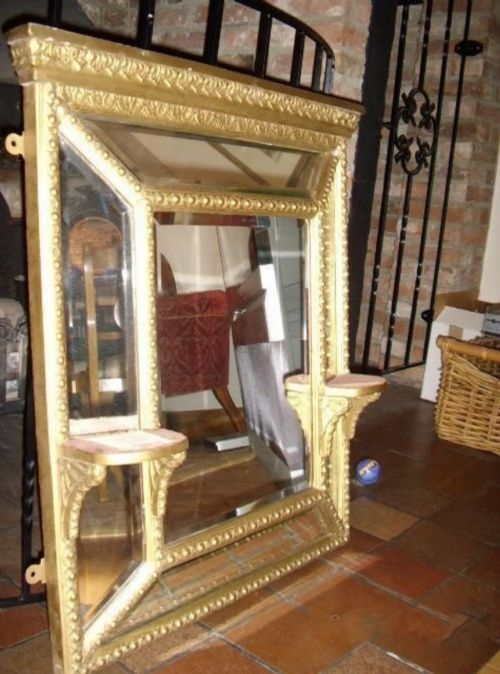
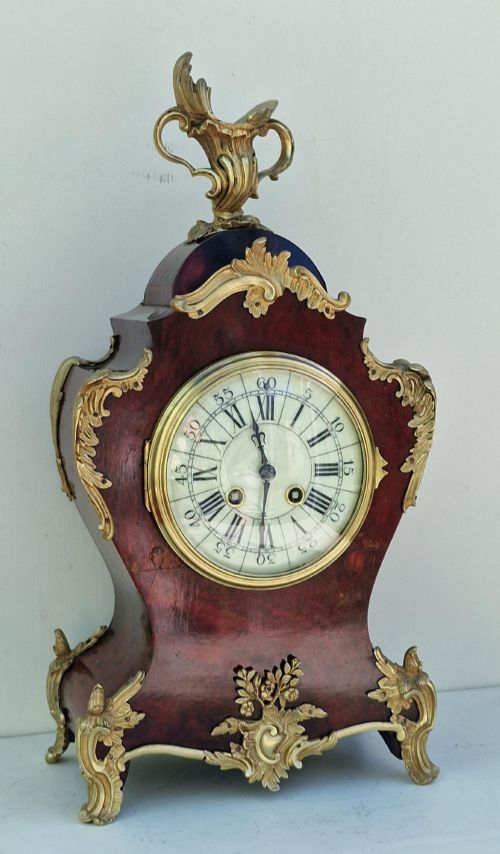
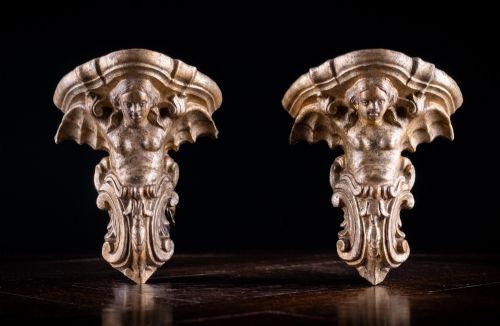
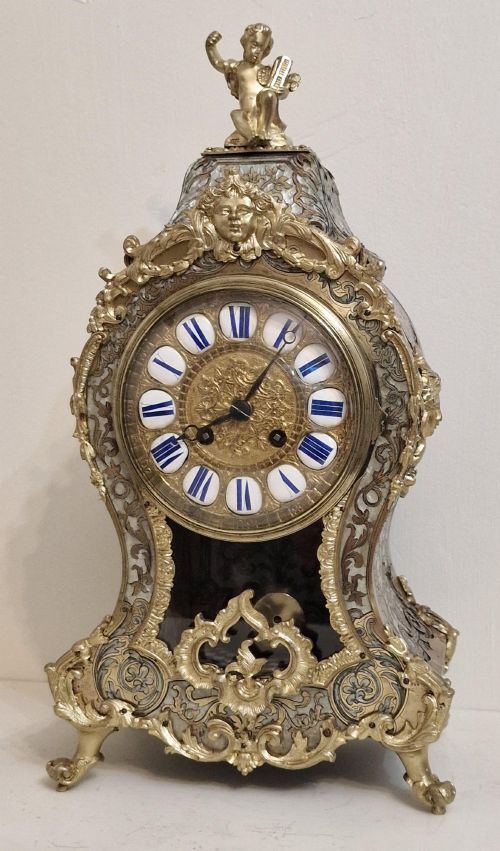
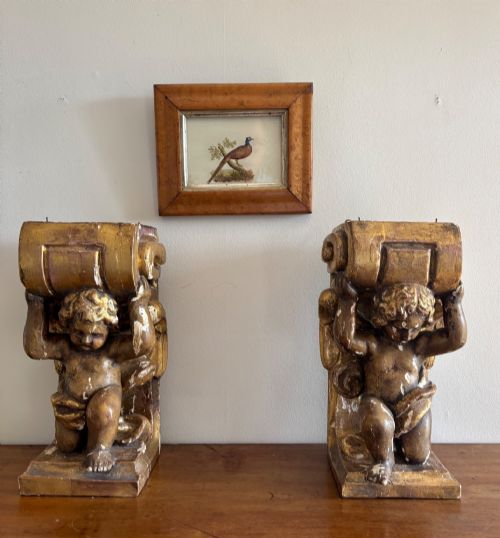
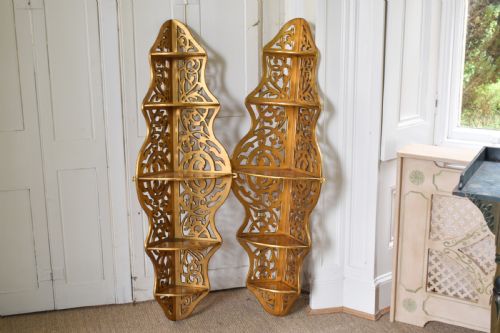
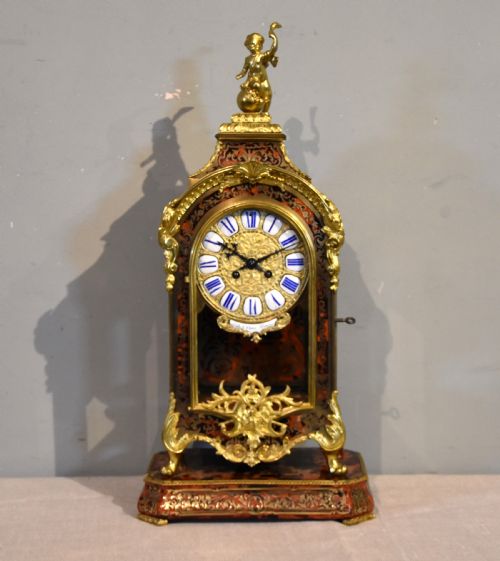
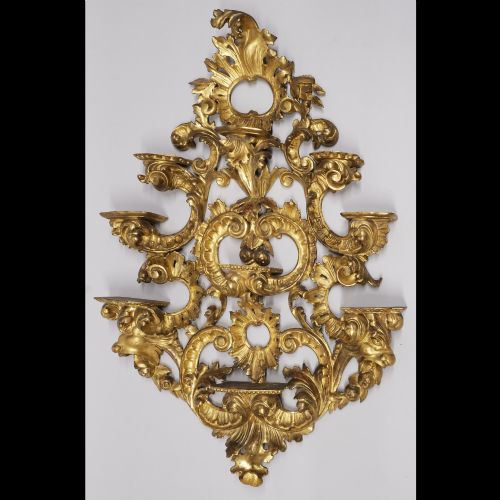
Gilt shelf brackets combine carved giltwood, brass and porcelain to support ornaments and clocks with the flourish of Rococo Revival and Victorian design.
Gilt Shelf Brackets
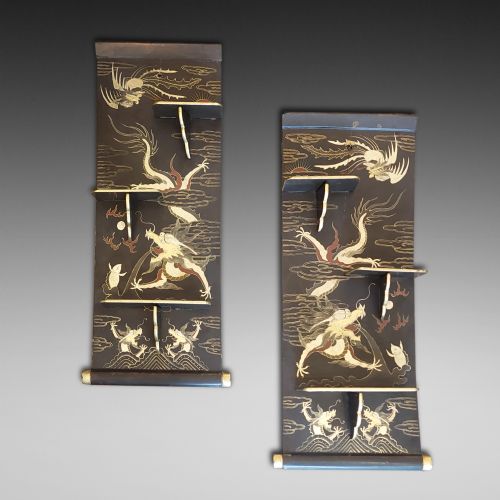
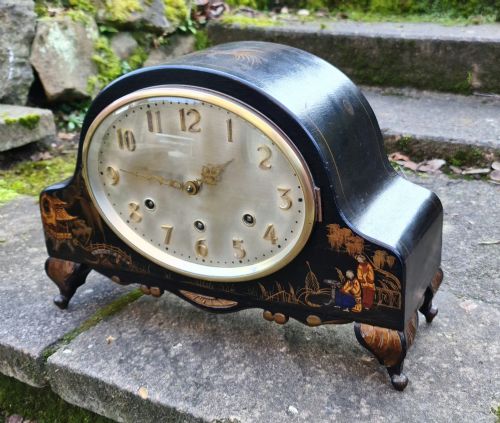
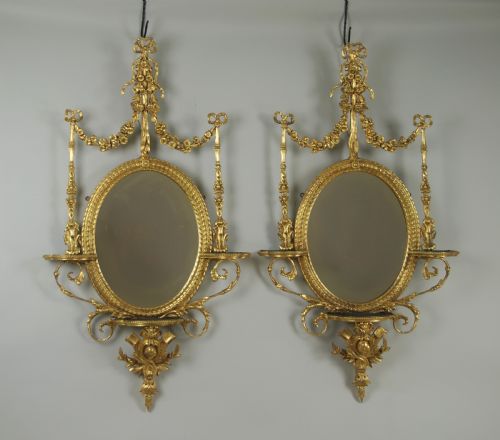
When you search for gilt shelf brackets, you encounter architectural and decorative supports designed to hold clocks, figures and porcelain on a wall. The examples on this page span the nineteenth century and the early twentieth century, showing the heavy influence of Victorian and Rococo Revival tastes.
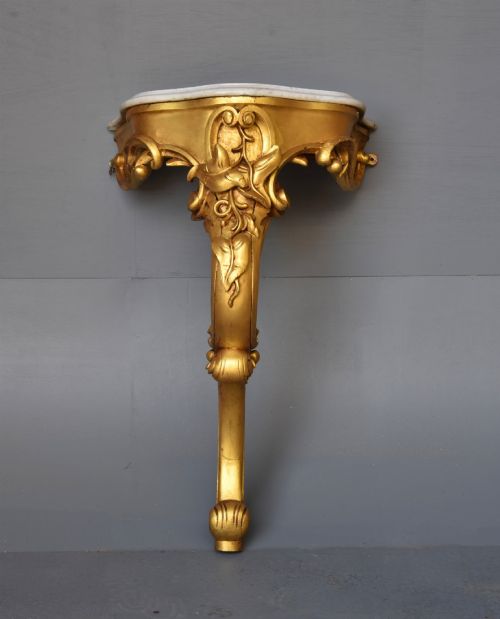
Most pieces take the form of carved wooden consoles or porcelain ledges finished with gold leaf or gilding. They originate from British, French and Italian workshops, often following classical revival styles like Louis XV and Neoclassical.
Materials and construction methods
Carved timber provides the structural core for traditional giltwood brackets, shaped by hand before receiving layers of gesso and gold leaf. Ormolu and gilt bronze appear on metal components, cast and chased to produce crisp relief work.
Plaster, terracotta and porcelain also serve as primary bodies for certain wall brackets, combined with ceramic glazes or applied enamel details. Surface finishes rely on traditional gilding techniques that allow the underlying grain or gesso to show through the gold layer.
Gilt Shelf Brackets Retail Price Guide 2026
Typical asking prices for gilt shelf brackets among the pieces listed under this phrase on Sellingantiques today, from the lower quarter to the upper quarter. They describe what is for sale here now, not the wider market.
Listings incorporate materials from giltwood and gesso to ormolu, brass, terracotta, and porcelain across the nineteenth century and early twentieth century.
Distinctions in quality
The depth and crispness of the hand-carving dictate the distinction between standard production and masterwork pieces in giltwood. Sharp undercut foliage and balanced symmetry separate superior nineteenth-century examples from simpler cast or moulded substitutes.
The integrity of the original gilding remains central, with gold leaf holding greater durability and warmth than later bronze paints or modern touch-ups. High-grade brackets display careful preparation of the gesso ground beneath the leaf, ensuring the surface retains its definition over time.
Strahan of Dublin·Lenzkirch
The Gilt Shelf Brackets Glossary
- Giltwood
- Timber carved and coated with gold leaf applied over a prepared gesso ground. It forms the primary medium for ornate Victorian and eighteenth-century wall brackets.
- Gesso
- A plaster mixture applied to wood surfaces as a smooth base for gilding. It allows carvers to create sharp relief details before applying gold leaf.
- Ormolu
- Finely chased and gilt bronze used for mounts and decorative hardware. The technique involves applying a mercury-gold amalgam to bronze and heating it.
- Rococo Revival
- A nineteenth-century design style mimicking the asymmetric scrolls, C-curves and naturalistic motifs of the French Louis XV period. It heavily influences the shape of many decorative wall brackets.
- Console
- A decorative bracket or table fixed to a wall for support. In shelf brackets, it denotes a bracket projecting from the vertical surface with scrollwork underneath.
Gilt Shelf Brackets: Frequently Asked Questions
How do I hang a heavy gilt shelf bracket safely?
Wall brackets require secure fixing into solid masonry or direct wall studs using heavy-duty screws suited to the weight of the piece and its intended load. Carved giltwood and porcelain brackets are structurally rigid but brittle, so mechanical support must take the strain rather than the decorative surface.
Position the bracket at a height where the fixing points anchor firmly into structural timber or brickwork. Distribute any weight evenly across the shelf surface to prevent stress fractures in antique gesso or ceramic.
What periods do these brackets typically represent?
The pieces available predominantly date from the nineteenth century, encompassing Victorian, Edwardian, and Regency periods alongside revival styles. Eighteenth-century examples also appear, reflecting earlier Rococo and Neoclassical design traditions.
Stylistic cues such as heavy carved scrollwork point to mid-Victorian production, while lighter gilt bronze and porcelain combinations often align with later nineteenth-century French and English workshops.
Can these brackets support heavy mantel clocks?
Many wall brackets and console shelves were historically built to carry heavy French or English mantel clocks, provided the bracket structure matches the weight. Robust giltwood and ormolu pieces offer the necessary load-bearing capacity for dense marble and bronze clock bodies.
Check the backplate and mounting joints of the bracket before placing heavy items like slate or marble clocks on the ledge. Ensure the wall fixing can bear the combined weight of the bracket and the timepiece.
How should I clean giltwood and ormolu surfaces?
Dust giltwood and ormolu gently using a dry, soft artist's brush or a clean microfiber cloth to remove surface particles without abrasive friction. Moisture and chemical cleaning agents strip delicate gold leaf and damage the underlying gesso layers.
Avoid commercial brass cleaners on ormolu or gilt bronze, as they strip the original surface patination. Regular dry dusting remains the safest method to preserve antique metallic finishes.