


Gilt Porcelain Cherub
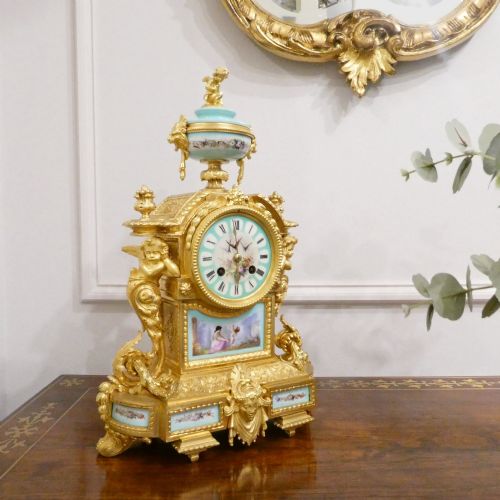
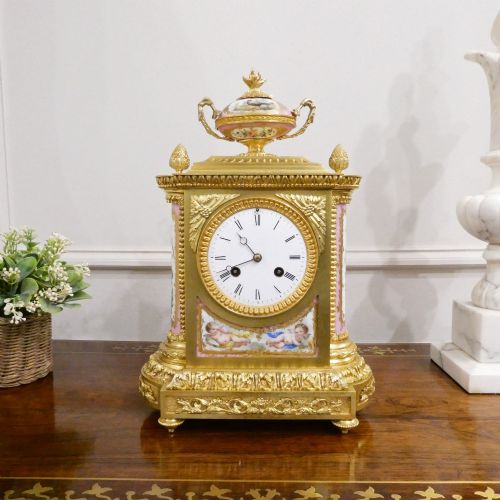
These gilt porcelain cherub pieces combine moulded ceramic figures with gilt bronze and ormolu mounts, bringing nineteenth-century French and German decorative arts into a room.
Gilt Porcelain Cherub
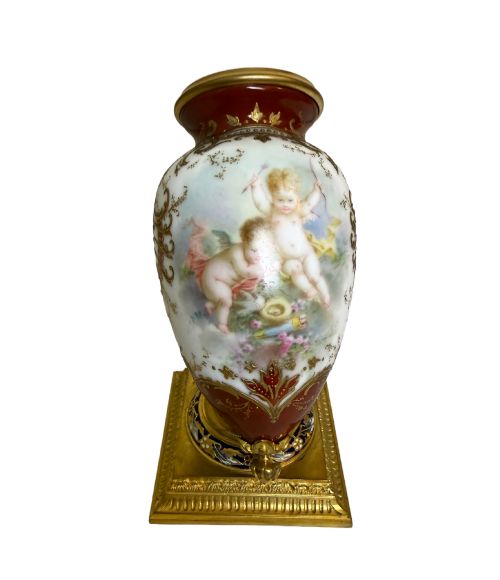
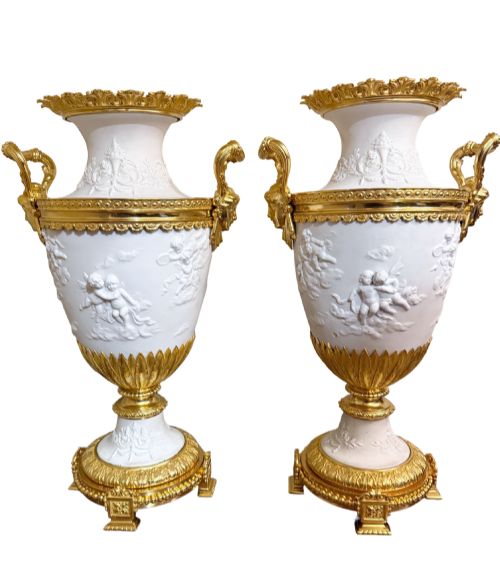
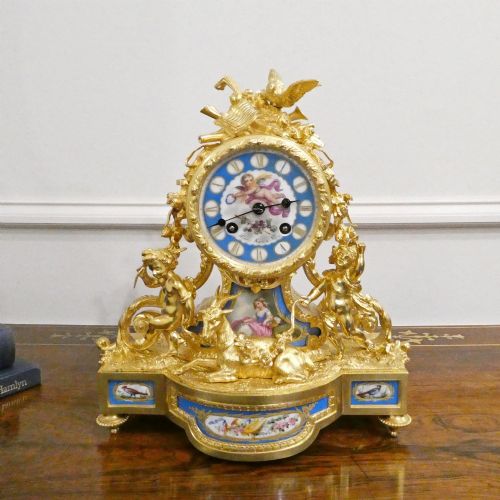
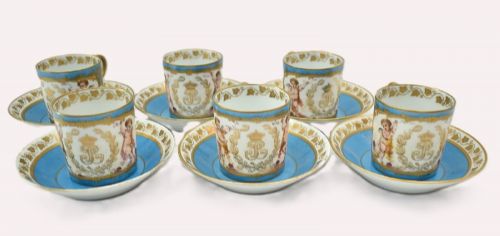
When searching for a gilt porcelain cherub, a buyer encounters a range of decorative objects dating primarily from the nineteenth century, including mantel clocks, table lamps, centrepieces, and vases. French and German factories produced these works in styles such as Rococo Revival, Louis XVI Revival, and Victorian, often incorporating putti or winged figures into the design.
The most frequent examples on this page combine glazed ceramic bodies with metallic mountings, frequently styled after Sèvres or Meissen production. These items range from large three-piece clock sets and lidded vases to smaller cabinet plates and figurines holding accessories like tricorne hats.
Continental workshops from Paris to Saxony executed these decorative items across the 1850s to the early 1900s, utilising porcelain alongside cast brass, ormolu, and gilt bronze. Cherub motifs appear perched on clock drums, holding amphorae, or supporting branches on wall sconces.
How they were made
Potters shaped ceramic bodies by casting or hand-modelling paste, applying glazes such as bleu céleste before hand-painting enamel details onto surfaces and flower appliques. Factories then fired these porcelain components in kilns before metalworkers fitted them.
Bronzeworkers cast mounts in bronze or brass using the lost-wax or sand-casting methods, subsequently applying gold leaf, ormolu, or gilding to achieve a bright metallic finish. Assemblers joined the ceramic and metal elements using threaded pins, screws, or nuts to secure clock movements, vases, and candelabra.
What varies in quality
The precision of the metal chasing separates standard production from finer work, as skilled artisans hand-chiselled cast bronze mounts to sharpen scrollwork, acanthus leaves, and cherub feather details. Heavily smoothed or cast-flat brass mounts indicate mass-market manufacturing rather than careful workshop finishing.
Jean-Baptiste Delettrez·Henry Marc·Japy Frères·Achille Brocot·Phillipe H. Mourey
The Gilt Porcelain Cherub Glossary
- Ormolu
- Gilded bronze, where a mercury-gold amalgam was applied to a cast bronze base and heated to drive off the mercury. This technique produced a durable, deep golden surface on nineteenth-century clock mounts and decorative vases.
- Putto
- A plump, naked male child figure, frequently winged, used in Renaissance and revival decorative arts. These figures appear frequently climbing over clock cases, holding floral garlands, or supporting centrepiece bowls.
- Bleu Céleste
- A vibrant turquoise-blue enamel ground colour developed at the Sèvres porcelain factory during the eighteenth century and revived in later nineteenth-century French and continental pieces.
- Pâte-sur-pâte
- A ceramic technique where wet white porcelain slip is built up in successive layers onto a coloured clay body to create a low-relief cameo effect. Mintons utilised this method on decorative plates.
- Toleware
- Lacquered or enamelled sheet metal items produced in various European workshops. Lamp shades and decorative canisters often incorporated this painted metal alongside porcelain bodies.
Gilt Porcelain Cherub: Frequently Asked Questions
How do I identify a Sèvres style piece?
Pieces executed in the Sèvres style typically feature rich enamel ground colours like bleu céleste combined with heavy ormolu mounts and hand-painted pastoral or floral reserves. Many carry factory-style marks, though nineteenth-century continental copies often emulate these aesthetic traits rather than originating from the royal French kiln.
Inspect the quality of the gilding and the crispness of the hand-painting, as revival pieces from Paris and Germany matched the palette of earlier French court wares while using distinct nineteenth-century construction methods.
What is a garniture clock set?
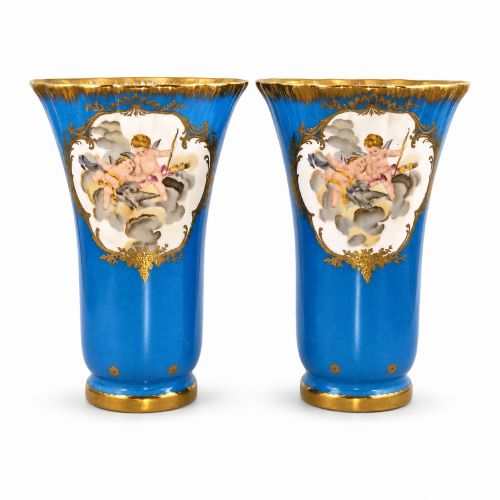
A garniture clock set consists of a central mantel clock accompanied by matching side ornaments, such as a pair of vases, urns, or candelabra. These matched groupings were designed to be displayed together on a mantelpiece or sideboard.
The listings show three-piece sets combining gilt bronze, onyx, and porcelain elements, maintaining a unified decorative scheme across all components through shared cherub motifs and metal mounts.
How were porcelain centrepieces used?
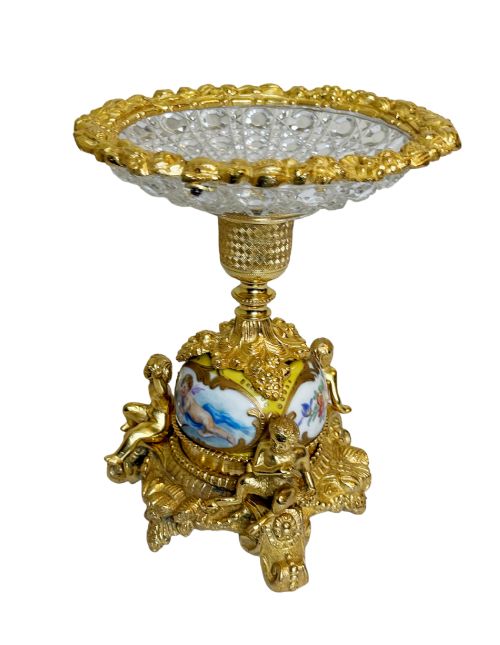
Porcelain centrepieces functioned as decorative table or sideboard ornaments, often featuring openwork baskets, applied roses, or figures of putti supporting bowls. Wealthy households utilised them to hold fruit, sweetmeats, or floral arrangements during dining.
Because of their size and fragile applied flower appliques, these centrepieces were primarily display objects rather than items for daily handling.
Where were Schierholz porcelain items made?
The Schierholz porcelain factory operated in Plaue, Germany, producing figural porcelain, centrepieces, and decorative wares during the nineteenth and early twentieth centuries. Their work frequently incorporates applied roses and putti modelled in high relief.
Pieces from this maker demonstrate the German tradition of elaborate floral encrustation and figural modelling seen in Edwardian and late nineteenth-century centripetal table ornaments.