


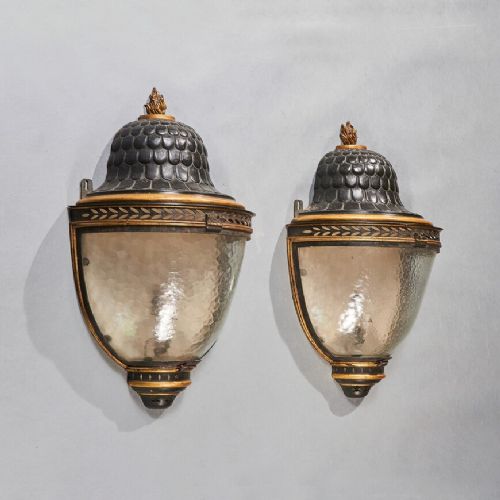
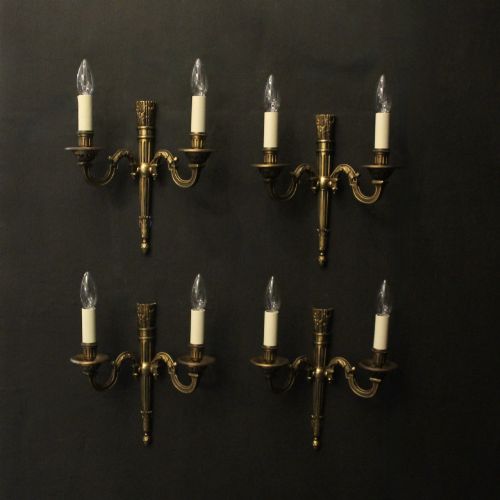
Gilt Neoclassical Lighting
Gilt neoclassical lighting brings ancient architectural symmetry and warm metallic brilliance into rooms through sconces, candelabra, and chandeliers.
Gilt Neoclassical Lighting
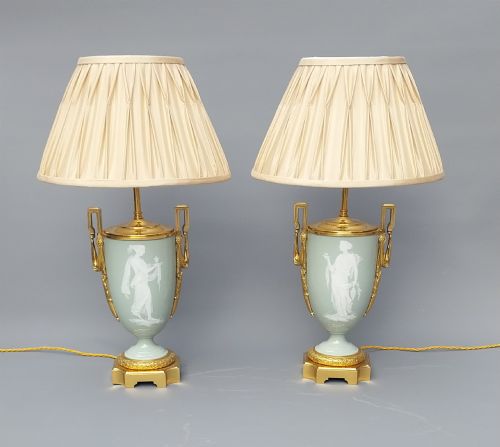
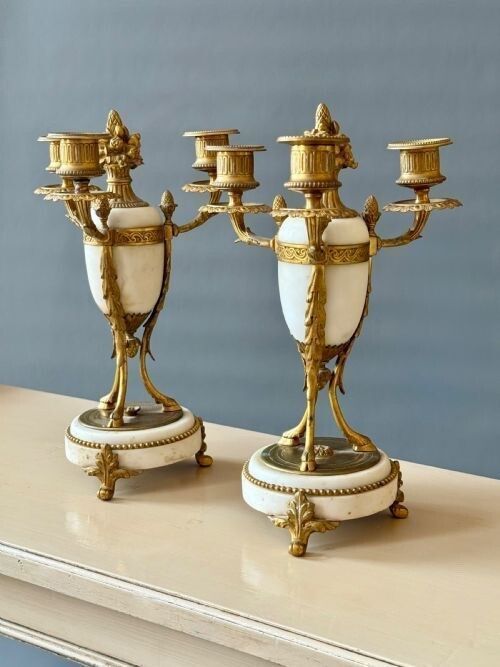
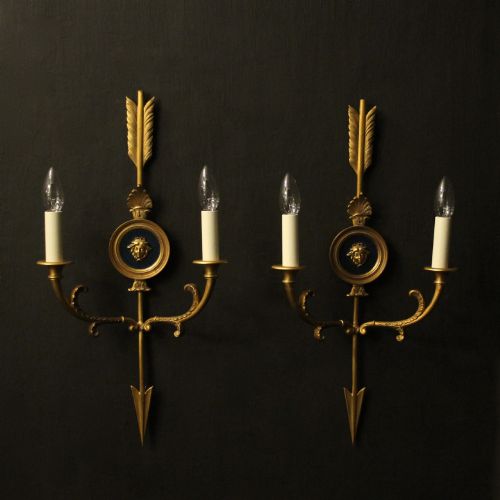
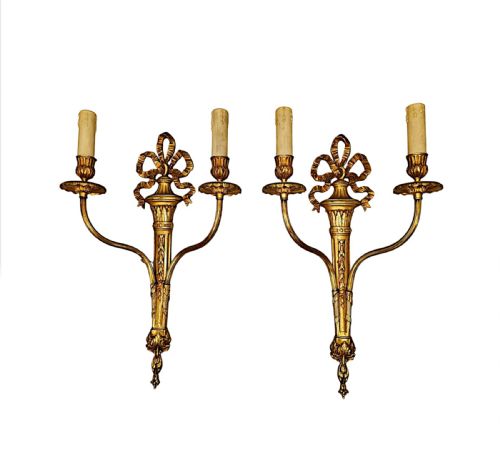
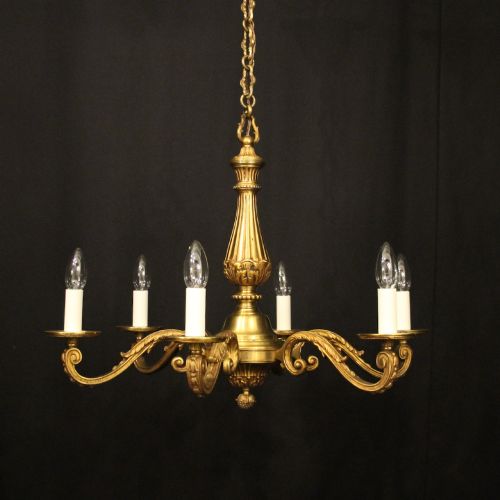
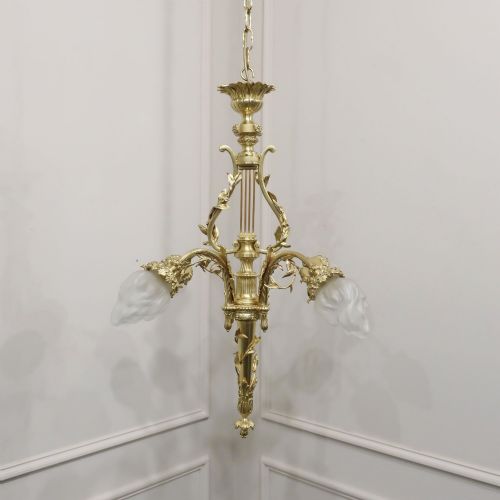
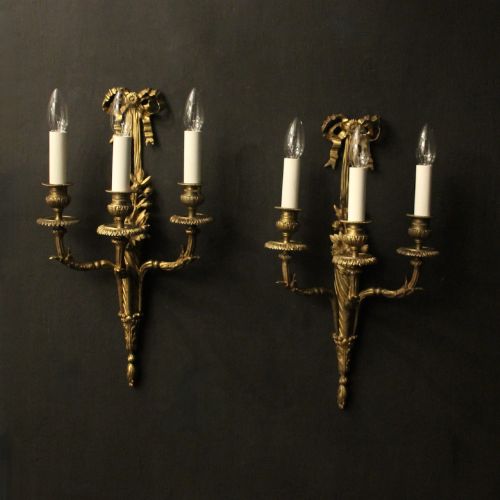
When searching for gilt neoclassical lighting, buyers encounter classical decorative objects adapted for illumination from the eighteenth, nineteenth, and early twentieth centuries. These pieces draw heavily on ancient Greek and Roman motifs, translating architectural forms like columns, urns, and torches into domestic light fittings.
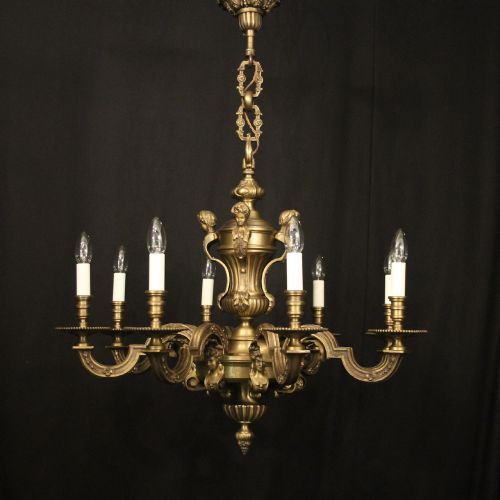
Table lamps, wall lights, and chandeliers dominate the selection, frequently appearing in pairs or sets. French influence runs deep through the listings, with Louis XVI, Empire, and Regency styles setting the prevailing aesthetic standard.
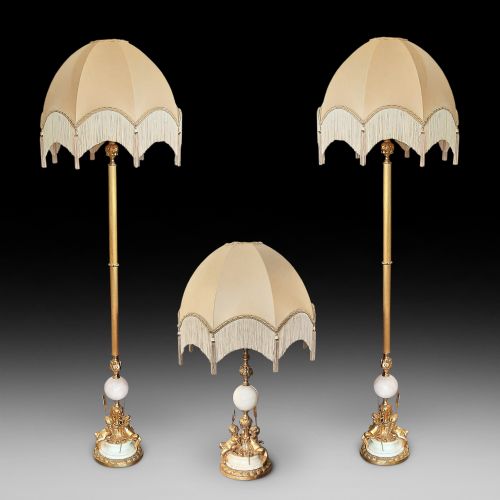
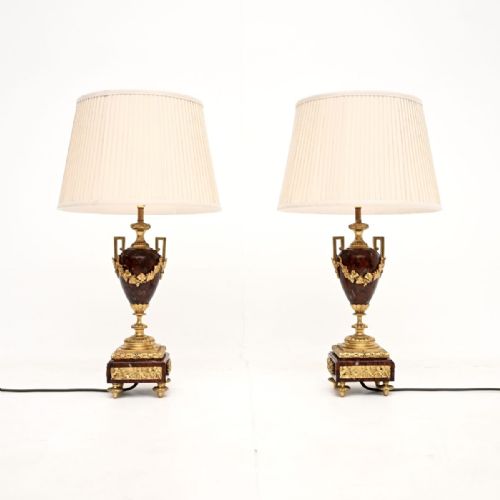
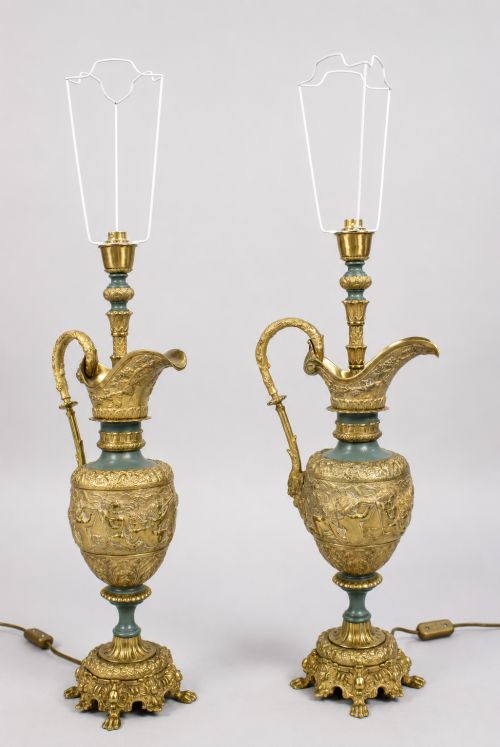
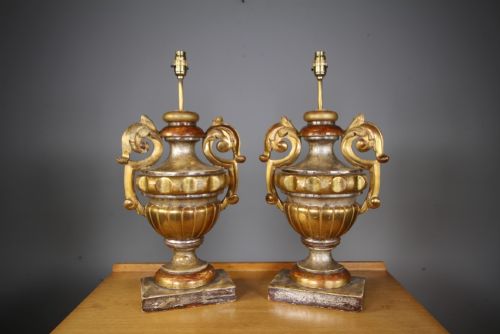
Original lighting mechanisms are frequently altered for modern electricity, turning antique candelabra, urns, and candlesticks into functional lamps. Marble, glass, and fabric shades often accompany the metal frames to diffuse the light.
Materials and construction
The primary metalwork relies on cast bronze, brass, and ormolu, which is finely chased and fire-gilded to achieve a lasting golden sheen. Giltwood and carved pine provide a lighter alternative for carved wall sconces and standard lamps, layered with gesso before gilding.
Decorative bodies integrate contrasting natural materials such as white and rouge marble, fluorspar, and tole peinte. Surface decoration employs mercury gilding or silver-gilded bronze alongside patinated bronze details to create visual depth.
Listings feature items spanning the eighteenth century through to the 1930s, utilising gilt bronze, brass, ormolu, marble, giltwood, and fabric.
Distinctions in quality
The integration of secondary materials dictates overall refinement, separating standard production pieces from high-status items mounted on fine marble bases or paired with quality rock crystal and glass drops.
The Gilt Neoclassical Lighting Glossary
- Ormolu
- Finely chopped gold amalgamated with mercury and applied to bronze through heat, creating a deep, durable metallic finish. This technique was widely utilised by French makers in the eighteenth and nineteenth centuries.
- Giltwood
- Timber carved and coated with gold leaf over a prepared chalk and glue ground. It provides the foundation for wooden wall brackets, mirrors, and standard lamps.
- Candelabra
- Branched lighting fixtures designed to hold multiple candles simultaneously. Many surviving examples are subsequently converted into electrical table lamps.
- Tole peinte
- Painted tinplate or sheet metal used to form decorative lamp bodies and wall lanterns. It often bears hand-painted classical motifs or dark surface patination.
- Fluorspar
- A decorative mineral sometimes used in classical lighting mounts for its translucent purple and blue crystalline properties. It appears alongside patinated bronze figures on select period candelabra.
Gilt Neoclassical Lighting: Frequently Asked Questions
How do I convert antique candelabra safely?
Conversion typically involves running wired cord through existing hollow channels without drilling into the original metal structure. Professional electricians should install modern lamp holders that respect the weight and balance of the antique base.
Using low-heat LED bulbs preserves fragile materials like marble, giltwood, and nineteenth-century fabric elements from thermal damage over extended periods of daily use.
What defines the French Empire style?
French Empire pieces favour heavy military symbolism, classical authority, and monumental symmetry inspired by ancient Rome and Egypt. Common motifs include sphinxes, lions' paw feet, laurel wreaths, and torches.
Ormolu mounts on these fittings contrast sharply against dark patinated bronze bodies, projecting an imposing visual weight distinct from lighter Louis XVI designs.
Are marble urn lamps original?
Many marble urn lamps started life as decorative garniture or oil containers before receiving electrical fittings later in their history. The conversion process often utilises central drill holes or bracket mounts that leave the stone body intact.
Checking the uniformity of the marble and the wear around the base helps determine whether the urn and its ormolu mounts share the same period.