
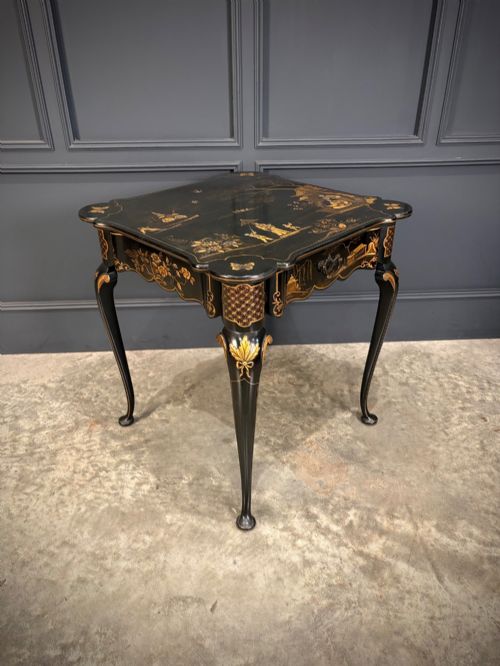
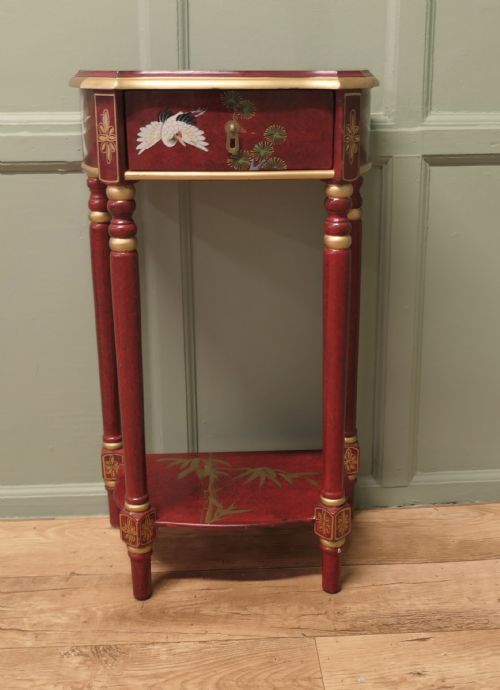
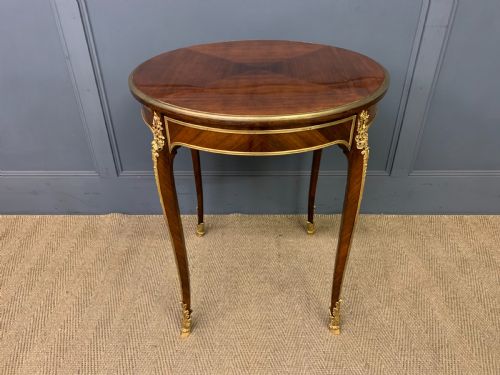
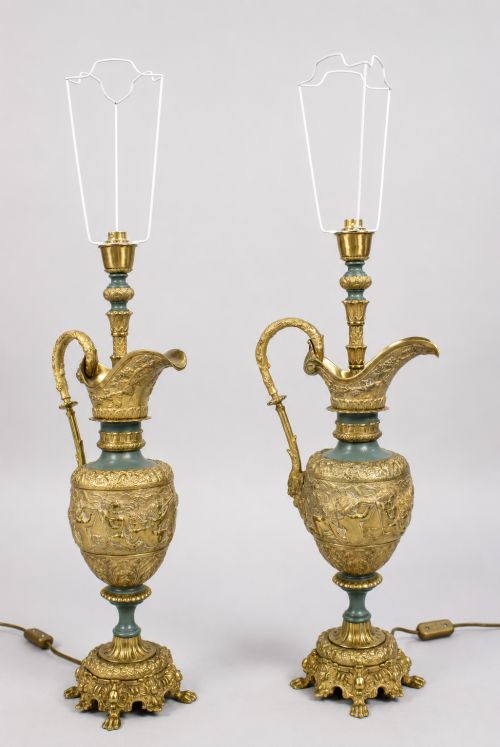
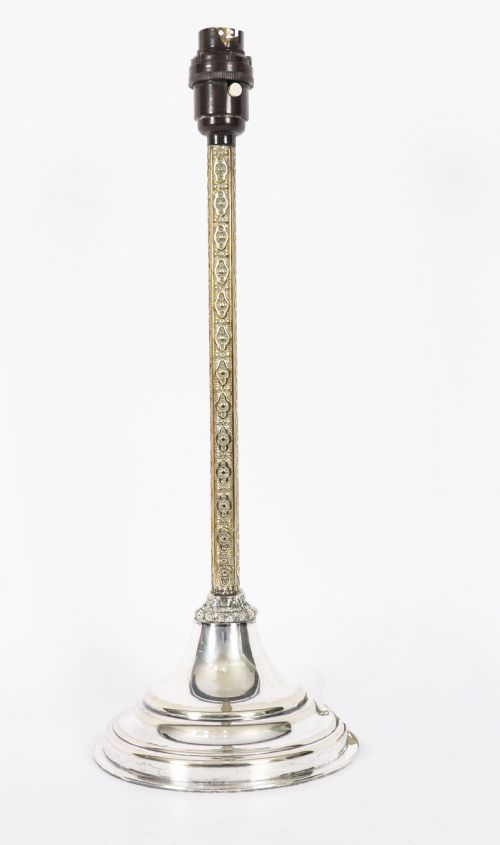



Gilt Lamp Table
When choosing a gilt lamp table, you select a piece that combines functional illumination with decorative gold-toned metalwork or wood.
Gilt Lamp Table
A gilt lamp table represents a category that spans both illuminated stands and small occasional tables embellished with gold leaf or metal accents, appearing frequently in French and English nineteenth-century designs.
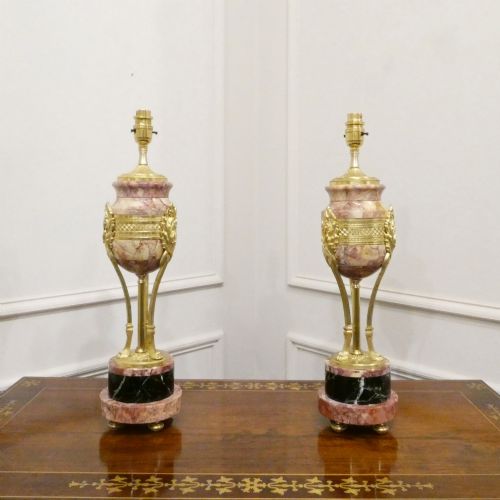
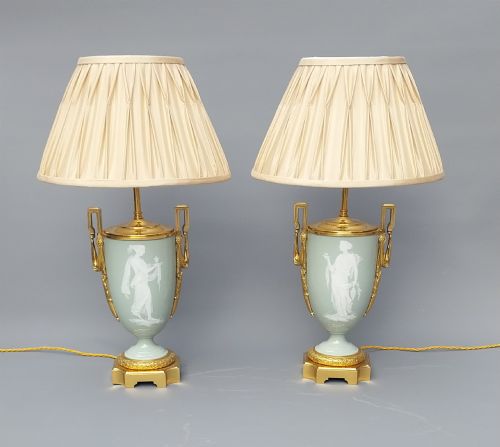
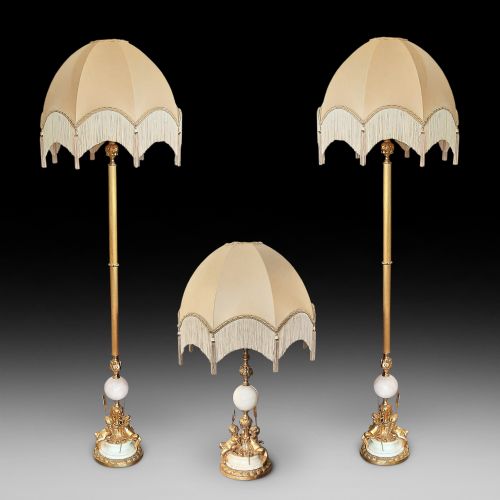
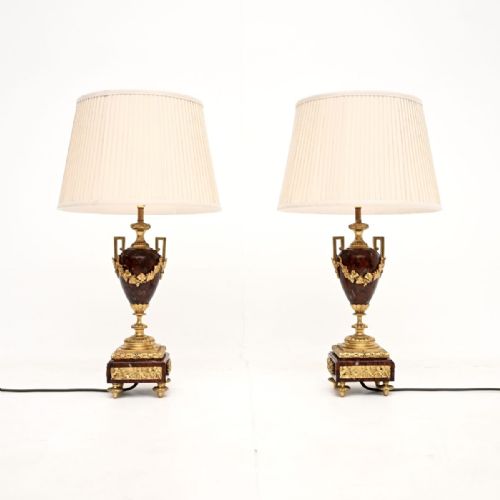
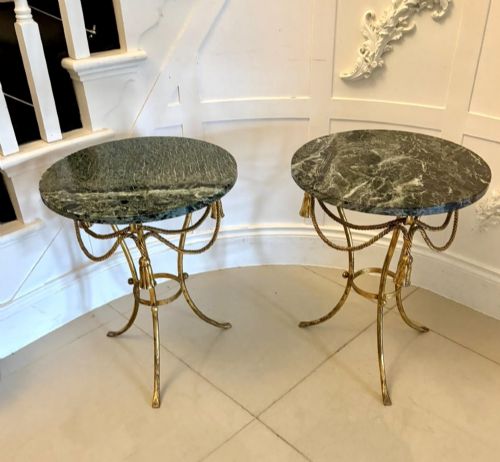
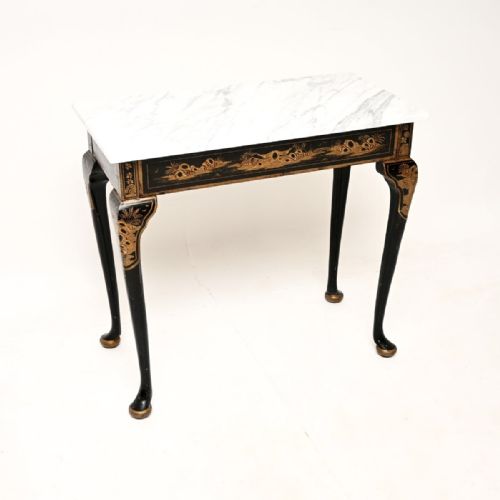
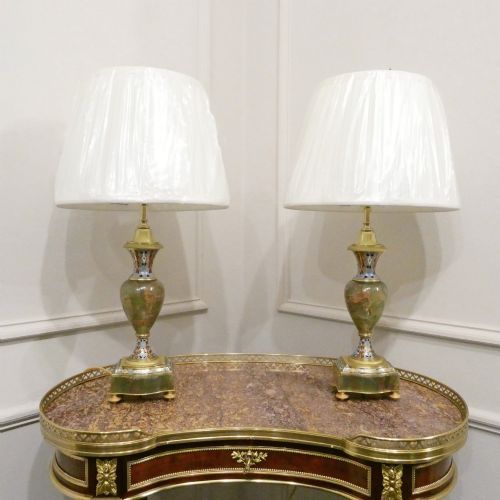
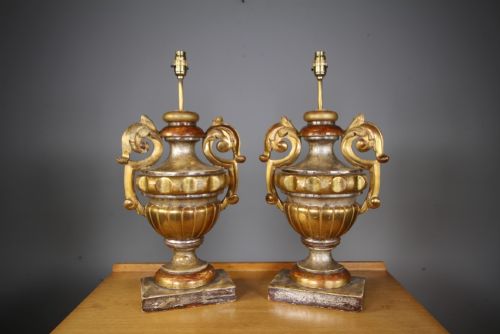
The selections on this page bridge domestic furniture and lighting, encompassing carved giltwood side tables with marble tops alongside ormolu-mounted porcelain urns and column lamps.
Originating largely from Regency, Victorian, and early twentieth-century workshops, these pieces incorporate styles ranging from Neoclassical and Louis XVI to Rococo Revival and Chinoiserie.
How They Were Made
Cabinetmakers and metalworkers utilised timber such as mahogany, rosewood, and carved pine alongside cast metals like brass, bronze, and ormolu to construct these items.
Surface decoration involved applying delicate layers of gold leaf to carved wooden mouldings or employing fire-gilding techniques on bronze components to achieve a lasting metallic sheen.
Many items integrate contrasting natural materials, pairing rouge or white marble tops and ceramic bodies with gilt metal mounts and fittings.
What Varies in Quality
The standard of craftsmanship shows in the crispness of the chased detail on bronze mounts and the depth of carving in wooden gilt frames.
Artisanal precision distinguishes mass-produced items from works attributed to notable makers, visible in the joinery of a table frame and the precise fit of marble inserts.
The preservation of original surface treatments, whether patinated giltwood or mercury-gilded ormolu, dictates the overall integrity of the piece.
Mappin and Webb·E Rousseau·Dugourc·Gillows·Hicks and Meigh·Mc Gary·François Linke
The Gilt Lamp Table Glossary
- Ormolu
- Gilded bronze cast and chased, often used for decorative mounts on furniture and lamp bases. This technique was widely utilised in French workshops during the eighteenth and nineteenth centuries.
- Giltwood
- Timber that has been coated with a thin layer of gold leaf. This finish appears frequently on Victorian and Regency frames and occasional tables.
- Champlevé
- An enamelling technique where troughs are carved into a metal surface and filled with vitreous enamel before firing. It is commonly found on early twentieth-century decorative lamp bodies.
- Cassolette
- A decorative vase or urn designed with a reversible lid that functions as a burner or candle holder. These vessels were frequently converted into table lamps.
- Bouillotte lamp
- An adjustable metal desk or table lamp featuring a central shaft and a toleware shade. This design originated in France for use during card games.
Gilt Lamp Table: Frequently Asked Questions
What is a gilt lamp table?
A gilt lamp table is a piece of furniture or lighting decorated with gold leaf or metallic finishes, designed to hold a light source or serve as a small surface.
These items range from carved wooden side tables with marble inserts to heavy bronze and ormolu lamp bases produced across the nineteenth and early twentieth centuries.
How do I identify French styles?
French pieces often display neoclassical motifs, such as column supports and rams' heads, or flowing rococo curves featuring cherubs and acanthus leaves.
Look for the use of fire-gilt bronze, rouge marble, and refined porcelain bodies associated with Sevres aesthetics.
Were these lamps converted later?
Many antique lighting pieces began as oil lamps, vases, or candlesticks before being adapted for electrical wiring.
Conversions allow older decorative objects, such as porcelain urns or bronze figures, to function safely in modern interiors while retaining their original patination.
How do I style these pieces?
These tables and lamps function effectively as focal points in reception rooms, providing metallic contrast against dark timber or neutral walls.
Pairing a gilt occasional table with a complementary bronze or brass lamp creates a cohesive period interior scheme.