
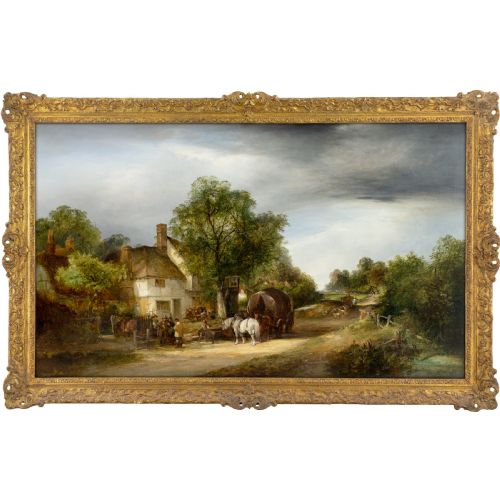
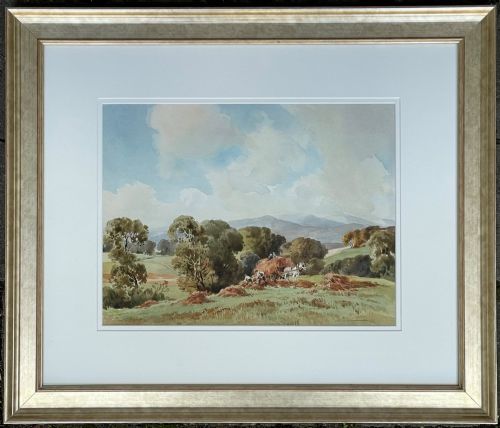
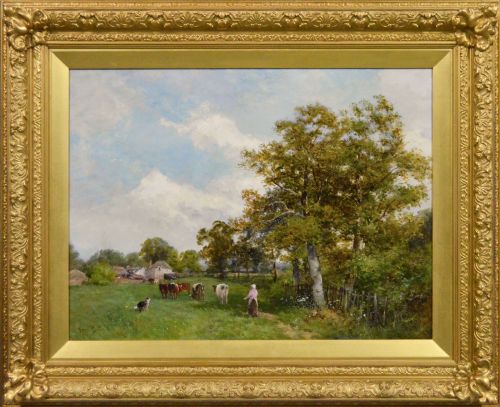
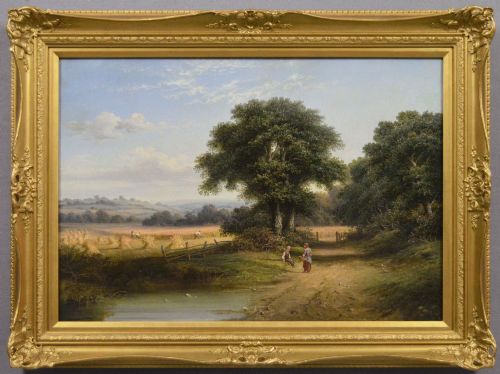
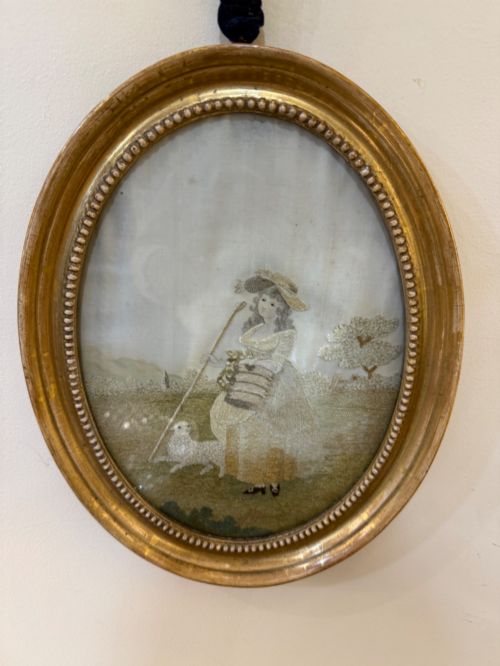
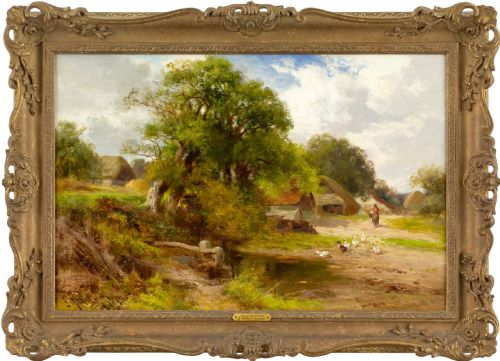
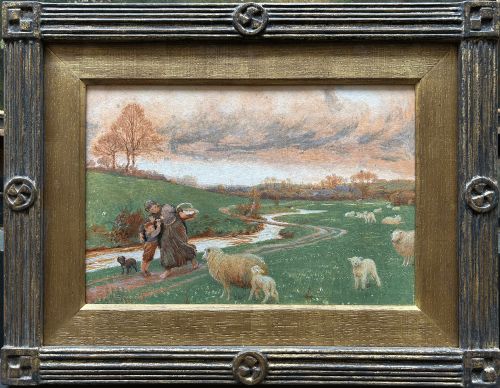
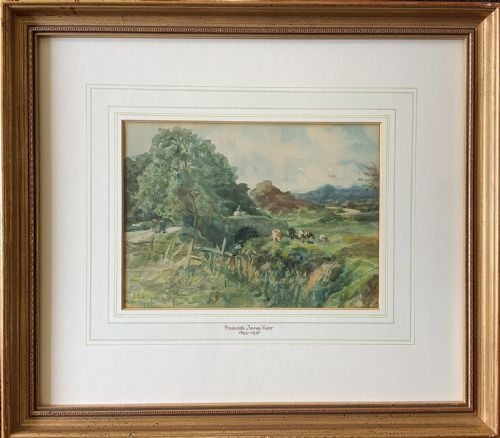
Gilt Framed Pastoral Picture
A gilt framed pastoral picture brings rustic country scenes and farm life into interiors within gleaming traditional surrounds.
Gilt Framed Pastoral Picture
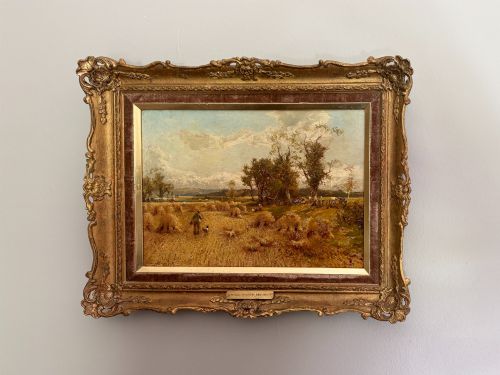
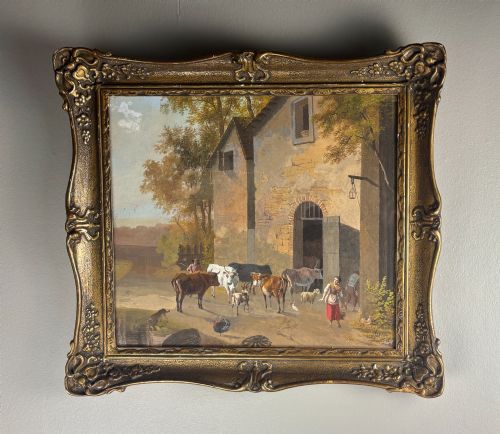
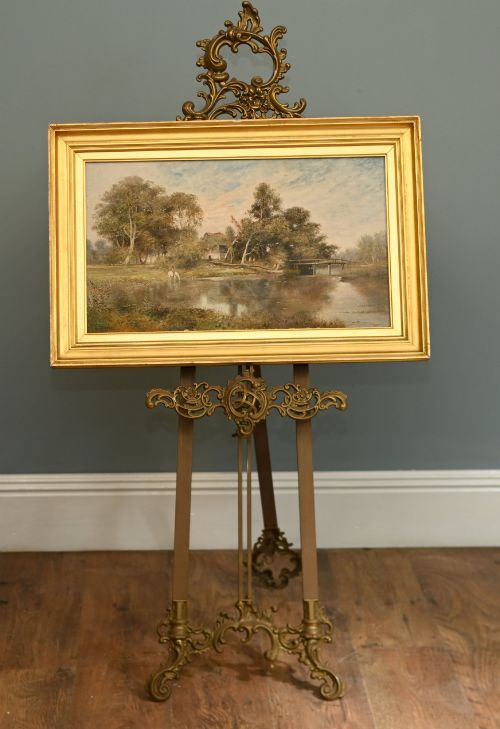
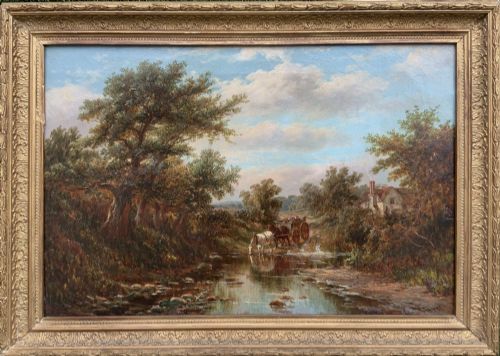
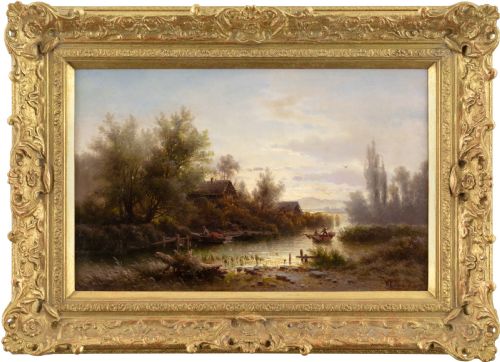
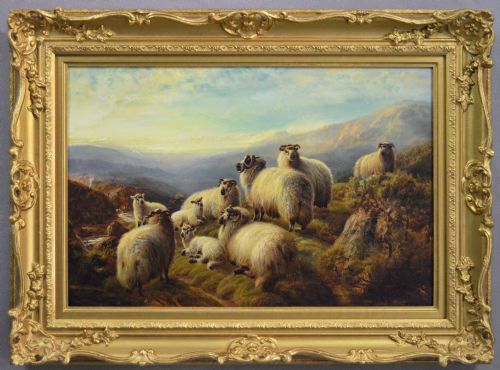
A gilt framed pastoral picture encompasses rural scenes, agricultural labour, and farm animals rendered across several centuries. You encounter oil paintings on canvas or board, watercolours, gouache on paper, engravings, and needlework pictures set within ornamented borders.
The material record spans the 18th century, the Georgian and Regency eras, the Victorian period, and into the 20th century. Most examples on this page date from the 19th century, reflecting Victorian and Edwardian tastes for idyllic rural vistas featuring sheep, cattle, and harvest fields.
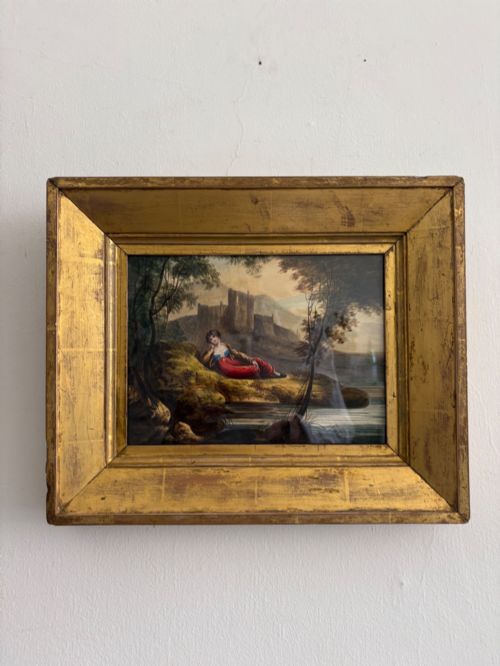
Subjects range from British river valleys and Welsh landscapes to French Rococo compositions and Italianate classical views. Artists depicted country inns, resting herds, and figures near harvest fields within decorative frames fashioned from wood, gesso, and gilt.
How They Were Made
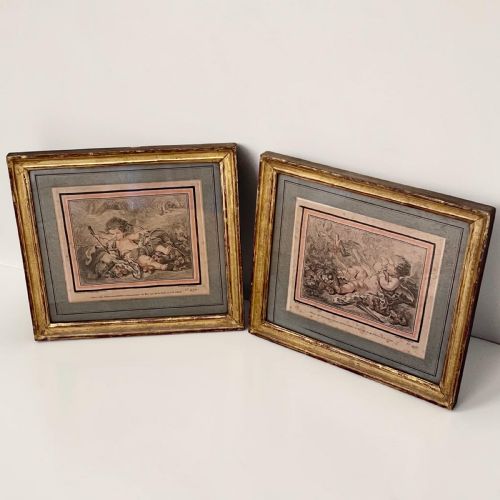
Makers applied oil paint to canvas or board, laid watercolours on paper, and worked fine threads in silk and wool for needlework pictures. Engravers also produced hand-coloured prints after original works.
Surrounding surrounds consist of carved or moulded wood finished with gesso and gilt. Glazing protects works on paper, while oil paintings on canvas remain unglazed in their heavy frames.
Listings feature 19th-century oil paintings, watercolours, engravings, and Regency silk work pictures.
What Varies in Quality
The distinction between ordinary and exceptional works rests upon the precision of the brushwork, the vitality of the figures or animals, and the depth of the composition. Skilled artists captured light, atmosphere, and anatomical accuracy with confidence.
Frame construction also distinguishes the pieces, as hand-carved giltwood and gesso mouldings offer greater ornamentation than simpler surrounds. Original frames that retain their historic finish hold more integrity than later replacements.
William Manners·David Bates·Walter Heath Williams·John Horace Hooper·Thomas Sidney Cooper·Eugene Joseph Verboeckhoven
The Gilt Framed Pastoral Picture Glossary
- Giltwood
- Wood carved and coated with gold leaf or metallic powder. This finish provides the characteristic metallic sheen seen on traditional picture frames.
- Gesso
- A plaster mixture applied to wood frames before gilding. It provides a smooth surface for moulding decorative details.
- Pastoral
- Art depicting rural life, shepherds, and agricultural scenes. These compositions present an idealized view of country existence.
- Verre Églomisé
- Glass decorated with gold or silver leaf applied to the reverse. It creates a reflective, decorative border around woolwork and needlework pictures.
- Needlework Picture
- A composition worked in silk, wool, or cotton threads on canvas or fabric. Georgian and Victorian examples often portray domestic or rural figures.
Gilt Framed Pastoral Picture: Frequently Asked Questions
What is a pastoral picture?
A pastoral picture portrays rural landscapes, agricultural scenes, and farm animals such as sheep and cattle. These works focus on country life, harvest fields, and tranquil river valleys.
Artists across the 18th, 19th, and early 20th centuries produced these works in oil, watercolour, and print formats to celebrate natural scenery.
How do I date a gilt frame?
Dating a frame involves examining the wood construction, the composition of the gesso mouldings, and the type of gilding used. Earlier frames often feature hand-carved wooden details.
Victorian and later examples frequently utilise cast gesso ornamentation applied to wooden carcasses, showing different crackle patterns in the surface finish over time.
Were these always framed in gilt?
Many pastoral pictures retain their original gilt frames, which were selected to complement the warm tones of the artwork. Gold finishes enhanced the visibility of paintings in dimly lit historic rooms.
Some pieces have been reframed in later periods according to prevailing interior design fashions, while others preserve their period surrounds intact.
How should I hang a heavy oil painting?
Heavy oil paintings in wood and gesso frames require secure wall fixings attached directly to structural studs or masonry. Using picture wire rated well above the weight of the piece ensures stability.
Positioning the painting away from direct sunlight and damp environments protects both the canvas and the gilt frame from deterioration.