



Gilt Carved Wood Shelf
These gilt carved wood shelf pieces bring genuine period character to a room, offering practical display space with distinctive historic presence.
Gilt Carved Wood Shelf
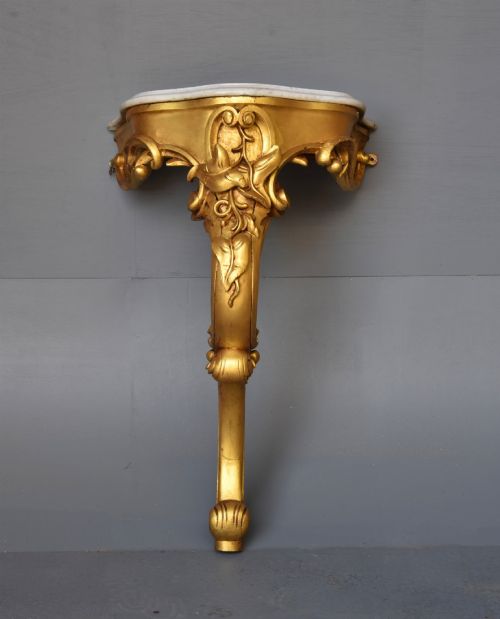
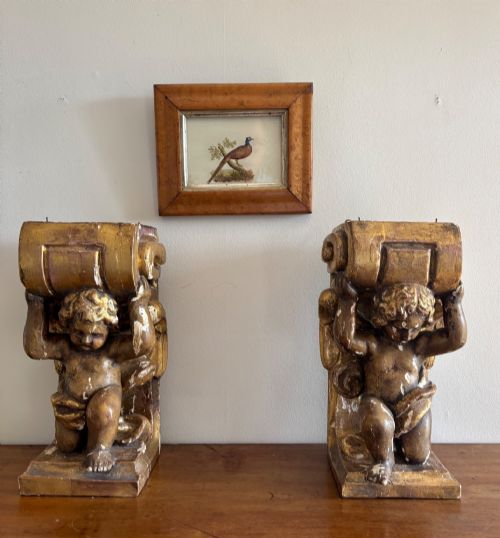
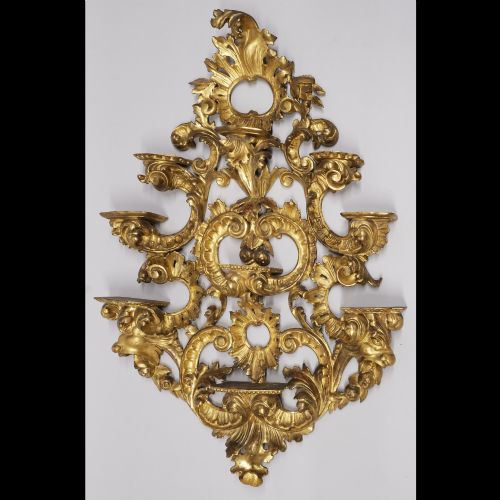
A gilt carved wood shelf typically appears as a wall bracket, console table, or overmantel mirror designed to display decorative objects. These items emerge from periods spanning the eighteenth, nineteenth, and early twentieth centuries, reflecting diverse aesthetic movements.
Buyers most frequently encounter nineteenth-century wall brackets and console tables on this page. Pieces range from Italian Rococo designs to Victorian and Neoclassical interpretations, offering various mounting formats and surface finishes.
How they were made
Craftsmen shaped solid timber bases through detailed carving before applying layers of gesso to smooth the surface for gilding. Gold leaf or paint finishes were then carefully layered over the preparation to achieve the characteristic metallic sheen.
Many examples incorporate secondary materials such as marble tops, mirrored glass, or painted wooden elements to enhance their decorative utility. Construction techniques combine traditional joinery with applied ornament tailored to the prevailing style of the era.
Gilt Carved Wood Shelf Retail Price Guide 2026
Typical asking prices for gilt carved wood shelf among the pieces listed under this phrase on Sellingantiques today, from the lower quarter to the upper quarter. They describe what is for sale here now, not the wider market.
The selection includes wall brackets, console tables, and overmantel mirrors spanning Rococo, Neoclassical, and Victorian styles.
What varies in quality
The crispness of the carved detail distinguishes superior examples from simpler production pieces, particularly where acanthus leaves or scrollwork define the silhouette. Deeper, more confident hand-carving reveals the skill of the original maker.
The integrity of the gilding and the preparation layers underneath dictates the visual longevity of the surface. Original leaf application ages differently from later touch-ups, influencing how light plays across the decorative contours.
The Gilt Carved Wood Shelf Glossary
- Giltwood
- Wood that has been coated with gold leaf or gold paint. This finish creates a luminous decorative surface characteristic of formal period furnishings.
- Gesso
- A plaster-like mixture applied to wood surfaces as a base for gilding. It provides a smooth ground that can be intricately carved or moulded before metal application.
- Console table
- A table supported against a wall by wall brackets or console legs. These pieces often feature integrated shelving or mirror combinations.
- Wall bracket
- A projecting support fixed to a wall to hold an ornament, clock, or shelf. They frequently display exuberant carved ornamentation in revival styles.
- Overmantel mirror
- A large looking glass designed to hang directly above a fireplace mantel. Many incorporate small shelves or decorative crestings.
Gilt Carved Wood Shelf: Frequently Asked Questions
How were gilt carved wood shelves used historically?
These pieces served as prominent display platforms for prized porcelain, small sculptures, and clocks within formal reception rooms. Placed above mantelpieces or mounted directly on panelled walls, they elevated decorative objects to eye level.
Their placement was carefully considered to catch candlelight or natural illumination from windows, enhancing the reflective qualities of the gilt surfaces. They functioned as both architectural ornaments and practical furniture in wealthy interiors.
How do I clean and maintain giltwood surfaces?
Dusting requires only a very soft, dry brush or a clean microfibre cloth used with minimal pressure. Moisture and commercial cleaning agents will strip or discolour delicate gold leaf applications.
Keeping these pieces away from direct heat sources and strong sunlight prevents the gesso foundation from drying out and cracking. Gentle handling preserves the original patina built up over centuries.
How do I tell an eighteenth-century piece from a nineteenth-century revival?
Eighteenth-century originals generally display hand-carving with organic fluidity and tool marks specific to period workshop practices. Revival pieces from the Victorian era often utilise denser secondary timbers and more mechanically uniform preparation layers.
Examining the construction joints and the wear patterns on the gesso underneath provides clues to the true age of the object. Stylistic proportions also shift between original Georgian designs and later revivals.