

Gilt Bronze Pair
These gilt bronze pair objects bring symmetrical French elegance and warm metallic brilliance to interior spaces.
Gilt Bronze Pair
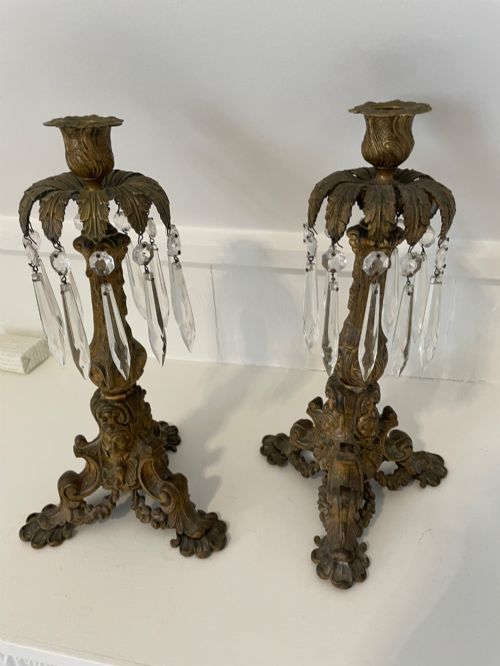
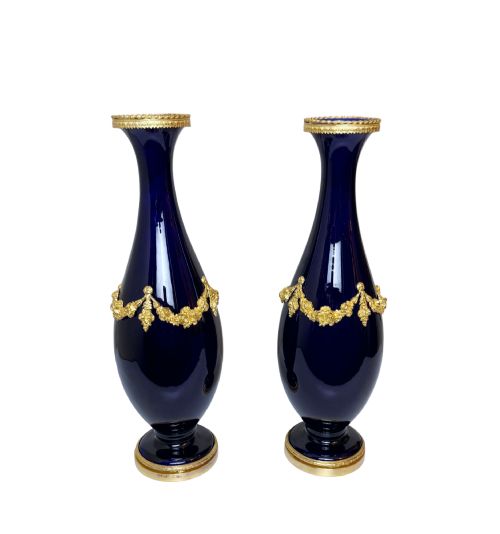
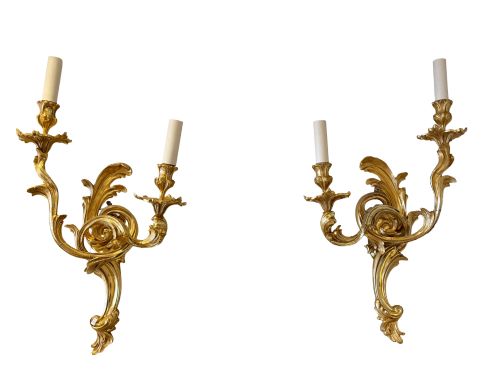
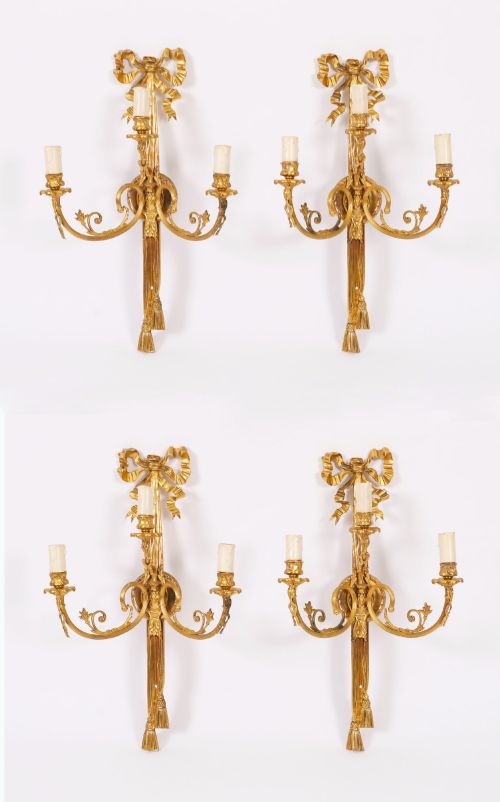
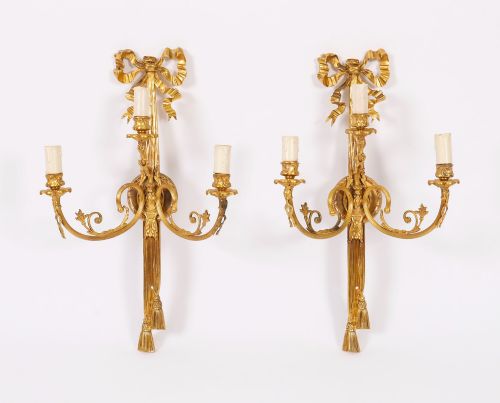
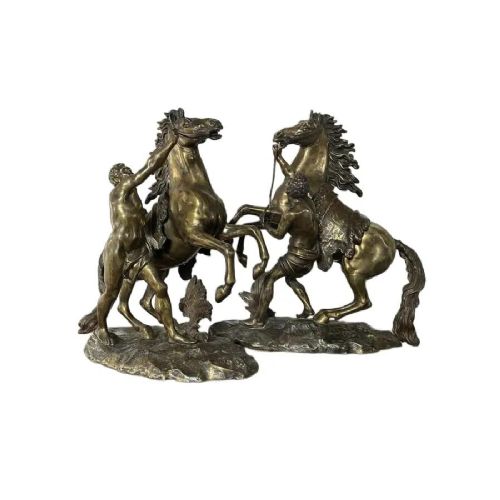
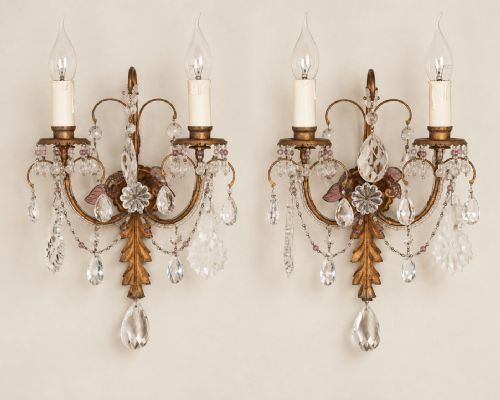
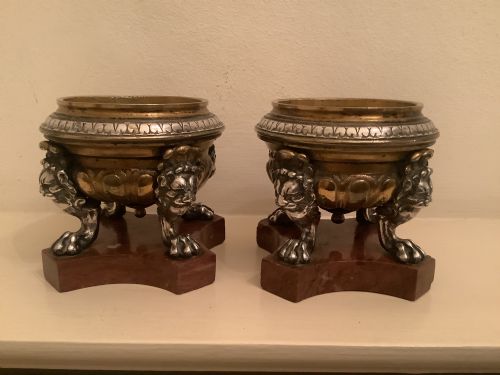
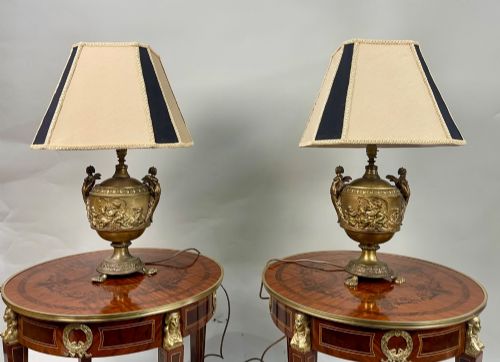
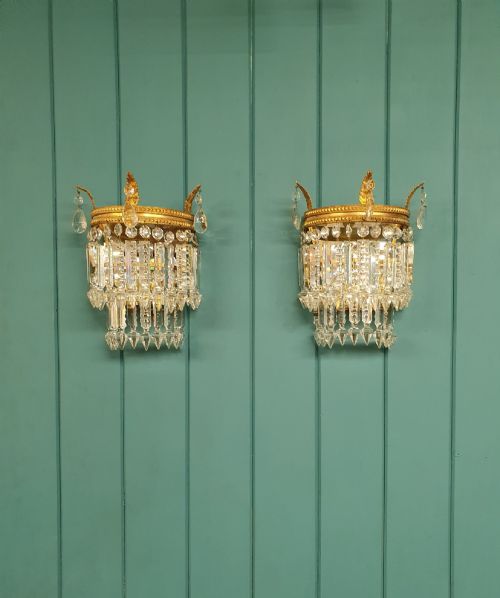
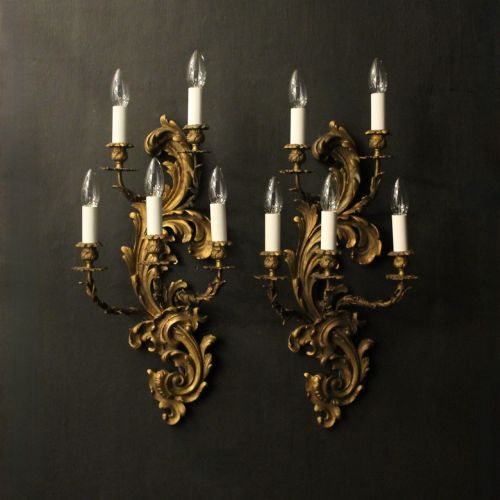
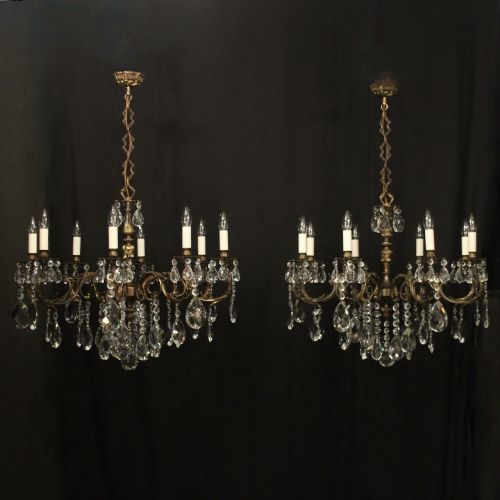
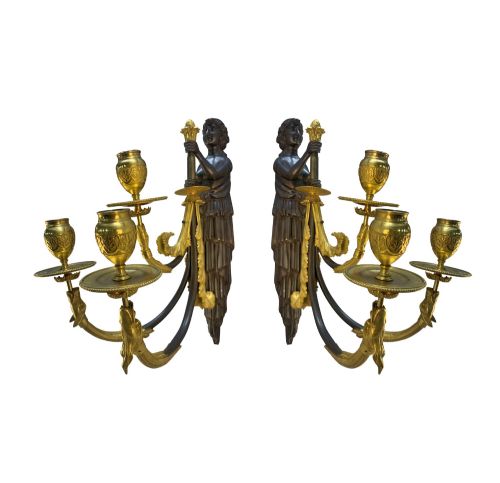
When you search for a gilt bronze pair, you encounter matched decorative objects spanning the eighteenth to the early twentieth century. The selection on this page consists predominantly of nineteenth-century French lighting, wall sconces, candelabra, and decorative urns.
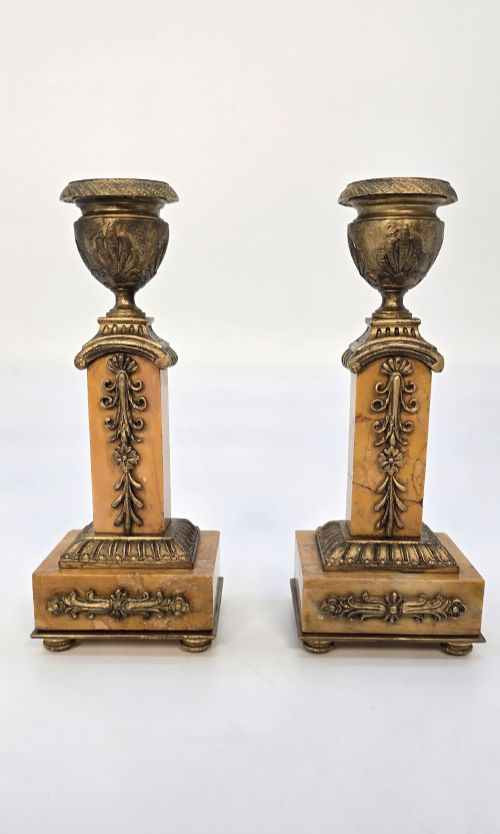
Many of these matched items incorporate contrasting elements like Carrara marble, blue porcelain, and cut glass crystal alongside the metal work. Forms range from utilitarian wall lights to ornamental tazzas and large porcelain vases.
The objects reflect distinct stylistic revivals, particularly Louis XVI, Empire, and Rococo movements. These designs draw upon classical motifs, mythological figures, and intricate foliate scrolls.
How they were made
The primary technique involves casting bronze or brass before applying a layer of gold via mercury gilding or electroplating, a process often referred to as ormolu. This creates a durable metallic sheen that resists tarnishing over decades.
Combinations of patinated bronze, carved white marble, onyx, and hand-painted porcelain frequently form the body of these dual pieces. Components are secured with threaded pins and chased mounts rather than modern adhesives.
Gilt Bronze Pair Retail Price Guide 2026
Typical asking prices for gilt bronze pair among the pieces listed under this phrase on Sellingantiques today, from the lower quarter to the upper quarter. They describe what is for sale here now, not the wider market.
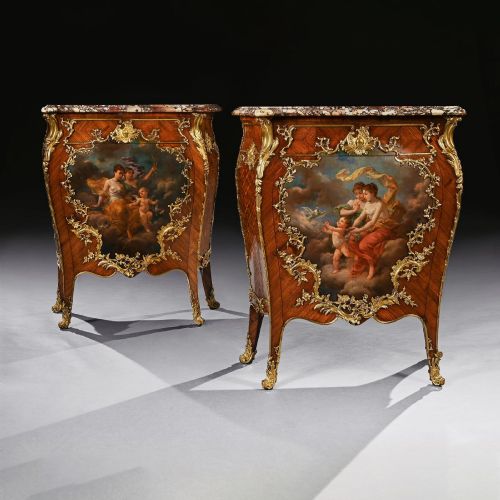
Object forms span functional wall lights and candelabra alongside decorative urns, tazzas, and pier cabinets.
What varies in quality
The crispness of the chasing separates standard cast work from superior production, determining how sharply leaf veins and facial expressions are rendered. Hand-finishing with fine tools allows artisans to impart depth into otherwise flat metal surfaces.
Heft and material density indicate the grade of underlying bronze and the thickness of the applied gilding layer. Superior examples retain uniform surface colour and integration between the metal mounts and secondary materials like marble or porcelain.
The Gilt Bronze Pair Glossary
- Ormolu
- Gilt bronze, typically denoting nineteenth-century French furniture mounts and decorative objects. The term derives from the French for ground gold.
- Cassolette
- A decorative vase or urn designed with a reversible lid that functions either as a closed vessel or a candle holder. These pieces often feature marble and bronze construction.
- Tazza
- A shallow saucer-like dish set upon a pedestal foot, used for display or serving in classical interiors. They frequently incorporate cast metal handles and marble bases.
- Chasing
- The manual tooling of metal surfaces with punches and hammers to sharpen cast details and create texture. This post-casting work distinguishes better items.
- Garniture
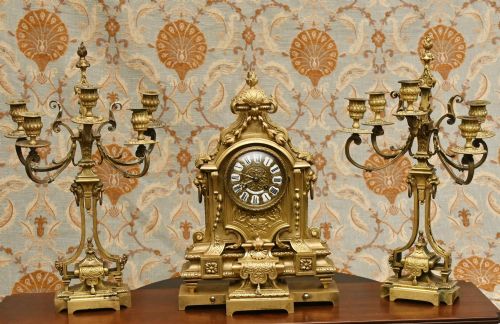
- A matched set of three or more ornamental objects, such as a clock flanked by matching candelabra or vases. These sets provide balanced decoration on mantelpieces.
Gilt Bronze Pair: Frequently Asked Questions
How do I clean gilt bronze?
Dust gently with a soft dry cloth to remove surface particles without abrasive friction. Avoid chemical polishes that strip historical gilding layers.
Keep these items away from direct moisture and damp environments to protect underlying metal and mounted materials.
Were these wired for electricity originally?
Lighting pieces from the nineteenth and early twentieth centuries utilised candles or oil before modern rewiring. Contemporary wiring is typically added via internal channels.
Professional conversion allows safe integration into modern domestic lighting circuits without altering the exterior metalwork.
How do I spot a matched pair?
Examine casting marks, dimensions, and hand-chased details for exact correspondence between the two items. Slight variations in hand-finishing confirm authenticity in antique manufacture.
Base weights and marble veining patterns often mirror each other rather than matching with mechanical precision.