
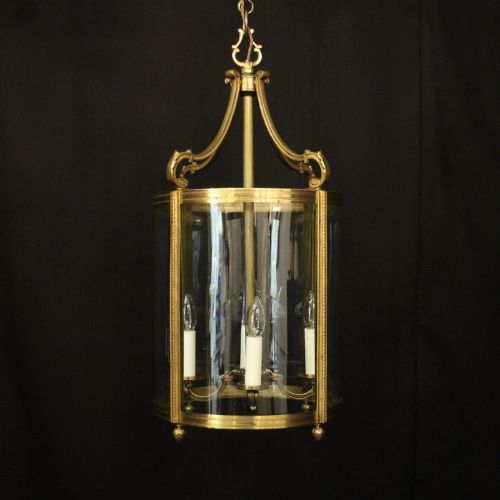


Gilt Bronze Hanging Lantern
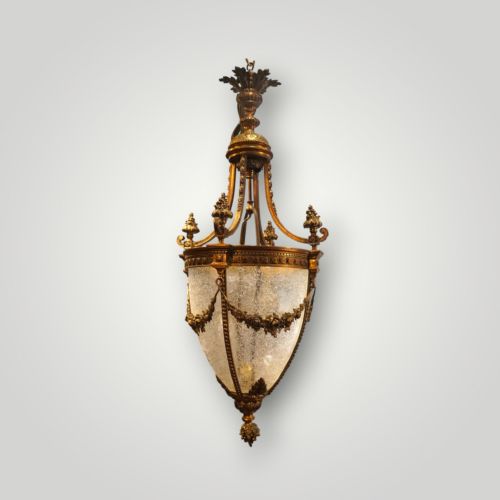
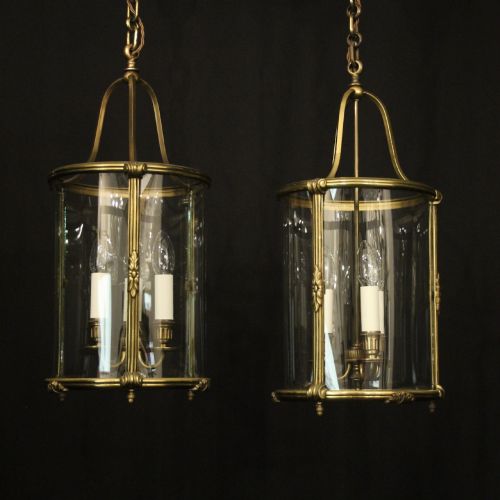
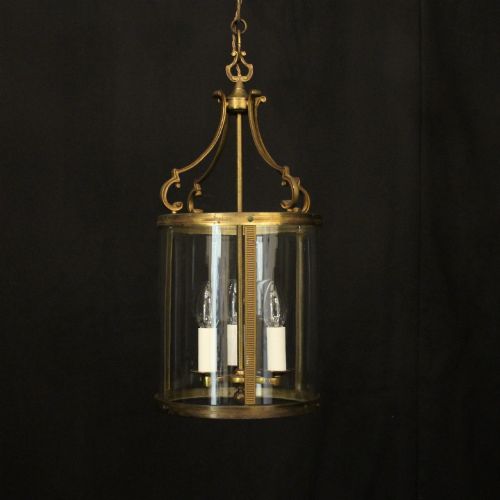
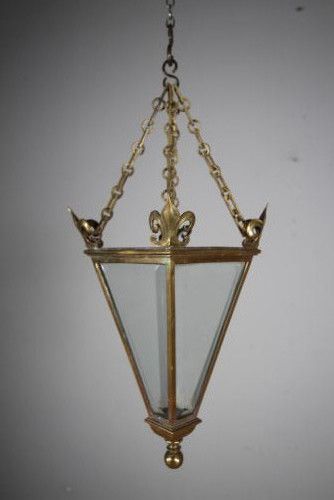
These gilt bronze hanging lantern fixtures bring a warm, period glow to hallways and ceilings through French and English craftsmanship.
Gilt Bronze Hanging Lantern
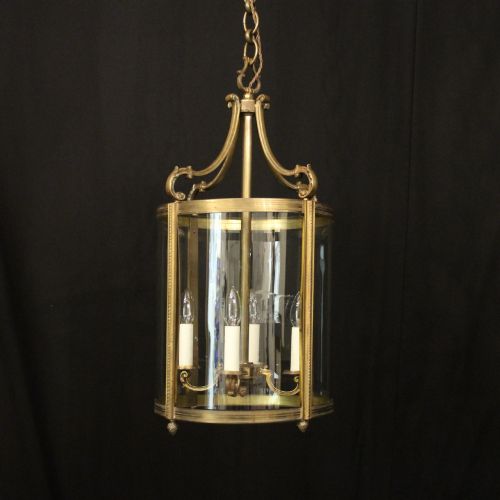
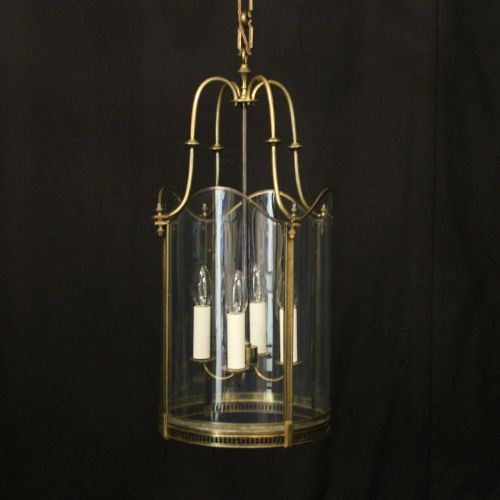
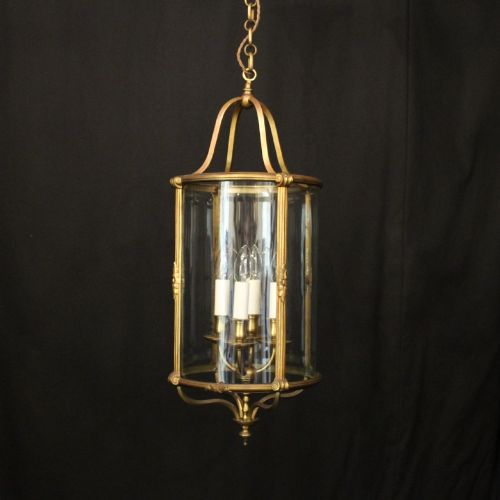
A gilt bronze hanging lantern functions primarily as entrance and hallway lighting, suspended from ceilings to cast illumination downwards. The pieces gathered under this phrase span from the nineteenth century into the twentieth century, capturing decades of decorative metalwork.
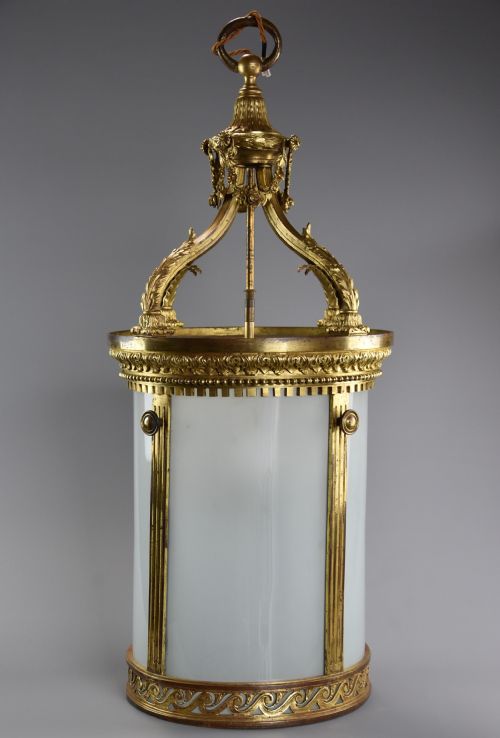
The version most commonly met on this page is the French hall lantern, often reflecting classical French styles such as Louis XVI, Rococo Revival, or chateau aesthetics. These designs frequently incorporate convex or bevelled glass panels held within gilded frames.
Beyond French examples, English pieces also appear alongside diverse forms including hexagonal fixtures, multi-light chandeliers, and occasional Arts and Crafts Gothic interpretations. The predominant focus remains on ceiling lighting configured as pendants and hall lanterns.
Materials and construction methods
Metalwork forms the structural core of each piece, utilising gilt bronze, ormolu, brass, and silver-gilded bronze. Workshops shaped these metals into detailed frames, sometimes referencing historic models from palaces like Versailles.
Glass represents the secondary material essential to the construction, appearing in clear, bevelled, etched, and frosted varieties. Craftsmen fitted these glass panels snugly into the metal armatures to enclose the internal light sources.
Listings feature pieces spanning from the 1880s through the 1930s, constructed in gilt bronze, brass, and glass.
Distinctions in craftsmanship and finish
Quality separates through the crispness of the cast metal ornamentation and the depth of the gilding applied to the bronze or brass. Finer examples display meticulous hand-chasing on the metal mounts, whilst simpler pieces rely on standard commercial casting.
The choice and treatment of the glass further define the tier of the piece, with bevelled or heavy convex panes marking superior production. Structural robustness in the hanging loops and framing elements ensures stability for these heavy ceiling fixtures.
The Gilt Bronze Hanging Lantern Glossary
- Gilt bronze
- Metal alloy treated with a layer of gold, providing a durable and lustrous metallic finish. This material forms the primary structure of many classical hanging lights.
- Ormolu
- Finely ground high-carat gold applied to a bronze base using mercury amalgamation or modern electroplating. The technique yields a rich yellow-gold surface common in decorative French lighting.
- Convex glass
- Curved glass panes that project outward from the lantern frame. This shape alters the refraction of internal light and adds visual volume to the fixture.
- Bevelled glass
- Glass with edges cut and polished at an angle thinner than the primary plane. It creates decorative light refractions as illumination passes through the panels.
- Louis XVI style
- A classical design vocabulary characterised by symmetry, straight lines, and ancient Greek or Roman motifs. It heavily influences many nineteenth-century French lantern frames.
Gilt Bronze Hanging Lantern: Frequently Asked Questions
Where should I hang a gilt bronze lantern?
These fixtures suit entrance halls, vestibules, and high-ceilinged landings where their downward illumination and decorative metalwork command attention. Their scale allows them to function as focal points in transitional spaces.
Ensure the ceiling height accommodates the hanging drop and that the electrical wiring supports the weight of the bronze and glass structure.
How do I identify a French nineteenth-century lantern?
Look for specific stylistic cues such as Louis XVI or Rococo revival motifs cast directly into the bronze frame. The presence of convex glass and silver-gilded finishes often points toward French manufacture from that era.
Construction methods, including hand-cut joinery and heavy metal casting, further distinguish these older pieces from later reproductions.
What is the difference between ormolu and gilt bronze?
Ormolu specifically denotes high-quality gold gilt applied to a brass or bronze object, historically associated with decorative French metalwork. Gilt bronze serves as a broader descriptor for any bronze fixture finished with a gold-coloured surface.
Both materials achieve a similar golden lustre, though ormolu typically implies finer channelling and detail work.
Can these antique lanterns take modern bulbs?
Most hanging lanterns accommodate standard modern electrical components when professionally wired by a qualified electrician. Internal cluster lights or single bulb fittings can be adapted to suit contemporary illumination needs.
Consult an electrician to ensure the internal wiring safely handles modern wattage within the enclosed glass frame.