

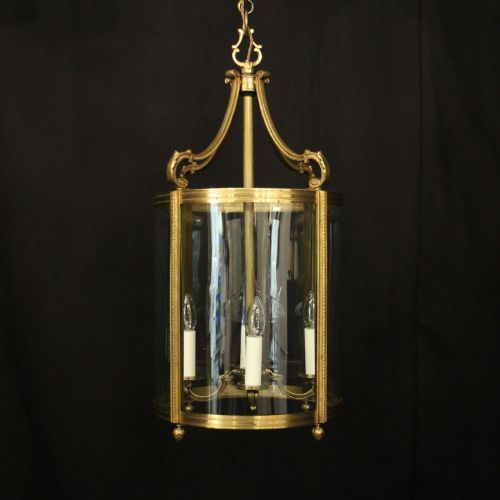
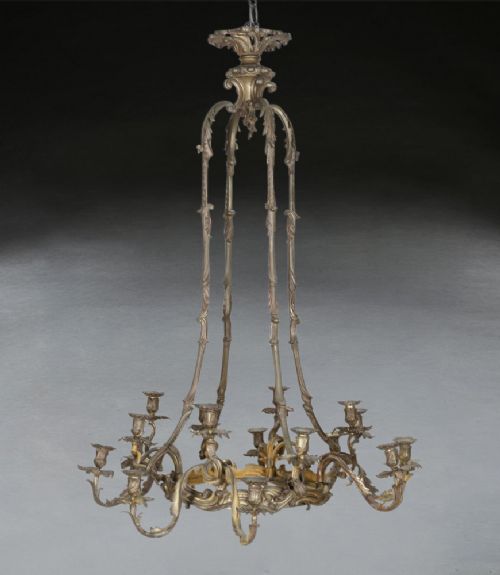


Gilt Bronze Hall Light
A gilt bronze hall light commands an entryway with metallic warmth, casting a measured glow through glass panels from the nineteenth and early twentieth centuries.
Gilt Bronze Hall Light
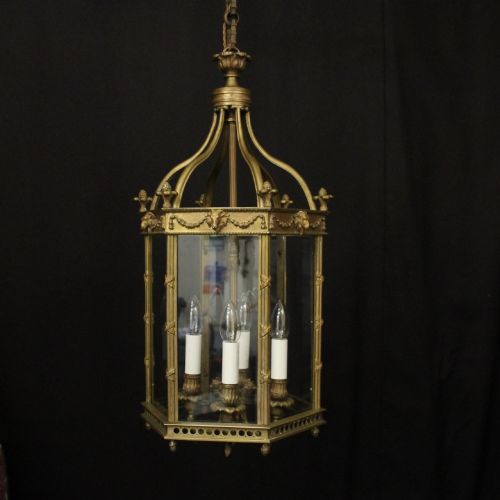
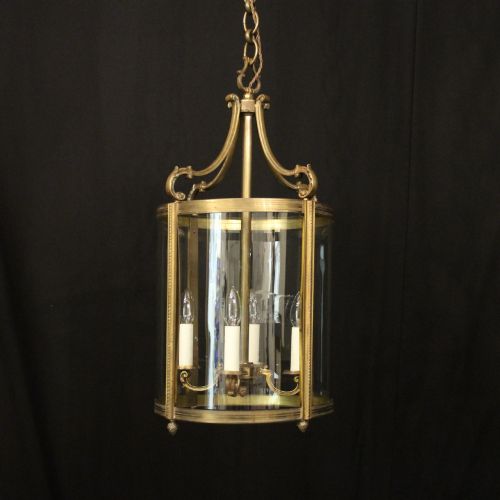
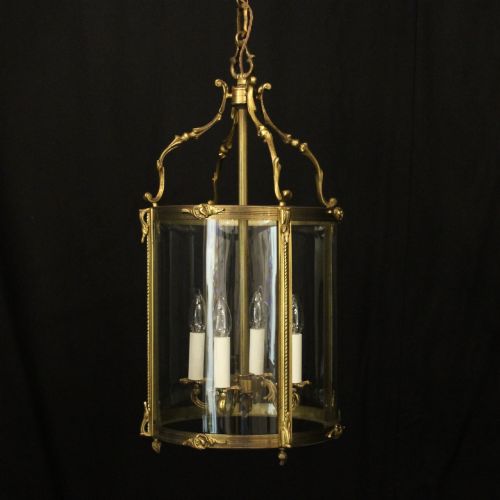
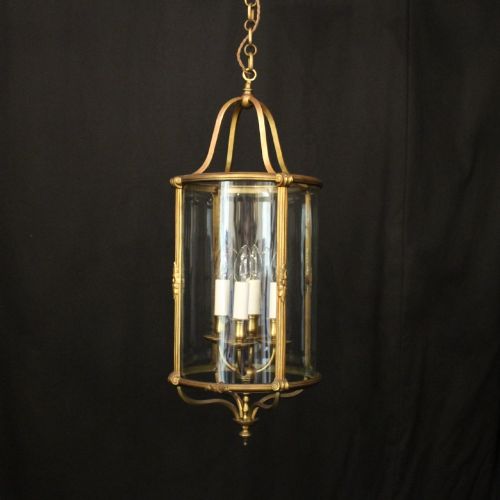
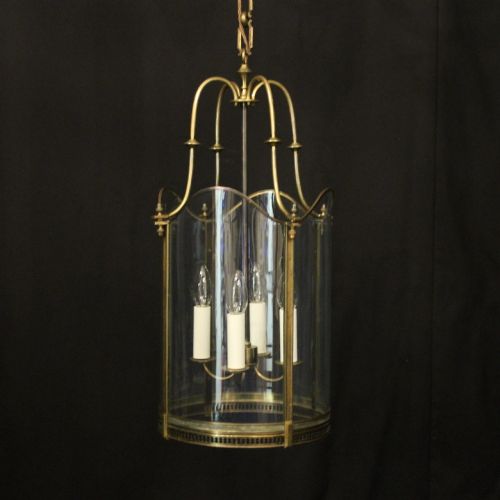
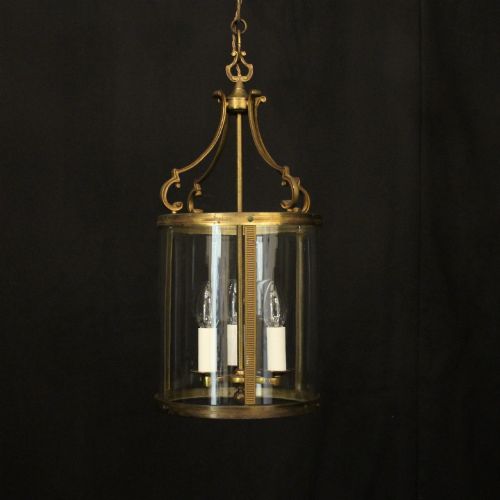
A gilt bronze hall light is an overhead hanging fixture designed primarily for vestibules, corridors, and entrance spaces. These pieces span periods from the nineteenth century through the 1930s, reflecting classical and revival aesthetics.
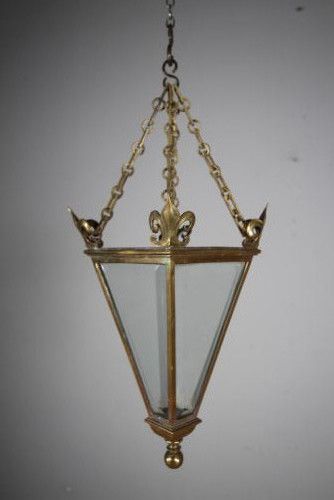
Most examples found here are French in origin, taking the form of hanging lanterns or pendant lights suspended by chains or rods. Forms range from simple single-bulb enclosures to multi-light configurations holding up to sixteen bulbs.
Makers and designers drew inspiration from French chateau styles, Rococo revival motifs, and specific interiors such as the Palace of Versailles. The resulting fixtures combine structural metalwork with decorative glazing to illuminate transitional spaces.
Materials and construction methods
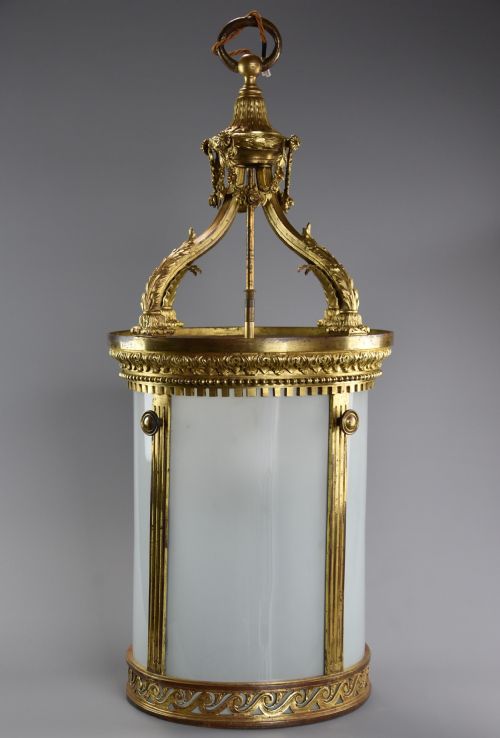
The primary structural material is cast metal, predominantly recorded as gilt bronze, gilded bronze, or gilt brass. Artisans cast these metals into decorative frames incorporating foliage, ribbons, and classical architectural details.
Glazing is integral to the construction, utilising clear, convex, bevelled, or opaline glass panels fitted securely within the metal framework. This glass diffuses the internal light while protecting the bulbs from drafts in busy entrance halls.
Gilt Bronze Hall Light Retail Price Guide 2026
Typical asking prices for gilt bronze hall light among the pieces listed under this phrase on Sellingantiques today, from the lower quarter to the upper quarter. They describe what is for sale here now, not the wider market.
Several lanterns carry the stylistic echoes of Versailles, ensuring your hallway receives the royal treatment.
Judging the standard of execution
Quality rests in the crispness of the metal casting and the depth of the gilding applied to the bronze or brass framework. Finer pieces display sharply rendered ornamental details that retain their original metallic lustre without losing definition.
The handling of the glass also separates standard items from superior works, particularly where panels are hand-bevelled, curved into convex shapes, or leaded with precision. Heavier gauge metalwork and robust internal framing indicate higher manufacturing standards.
Perry & Co
The Gilt Bronze Hall Light Glossary
- Gilt bronze
- Metal cast with decorative ornament and treated with a gold-coloured finish or mercury gilding. This surface treatment gives the fixture its characteristic metallic radiance.
- Convex glass
- Panelling curved outward to alter the refraction of light and soften the internal bulb view. It adds subtle optical distortion to the surrounding hallway.
- Ormolu
- Finely chased gilt bronze utilised for decorative mounts and decorative metalwork on period furnishings and lighting. The term denotes high-status French decorative arts.
- Hall lantern
- An enclosed ceiling-hung fixture designed for narrow passageways and entrances. It protects the light source while distributing illumination evenly across walls.
Gilt Bronze Hall Light: Frequently Asked Questions
What is a gilt bronze hall light?
A gilt bronze hall light is an antique hanging fixture designed to illuminate entranceways and corridors. These pieces combine cast metal frames with glass panels.
Most examples date from the nineteenth and early twentieth centuries, featuring French revival styles and varying light capacities.
How do I install a vintage hall light?
Hanging antique lanterns requires securing the suspension chain or rod to a structural ceiling joist capable of supporting the weight. Modern electrical wiring must be integrated safely through the existing internal channels.
Consulting a qualified electrician ensures compliance with current wiring regulations while preserving the historic metalwork.
How do I date a gilt bronze hall light?
Dating relies on examining the casting techniques, the style of the metal ornamentation, and the characteristics of the glass panels. Pieces referencing Louis XVI or Rococo revival aesthetics often date from the nineteenth century or the Edwardian era.
Evidence of construction methods, such as the type of screw heads and wiring channels, further helps narrow the period of manufacture.