




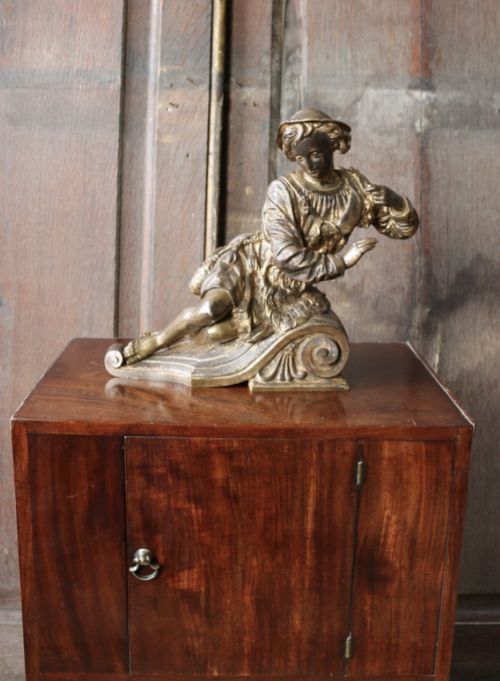
Gilt Bronze Fireplace
These heavy, decorative fittings bring warmth and French elegance to a hearth through cast metal and marble.
Gilt Bronze Fireplace
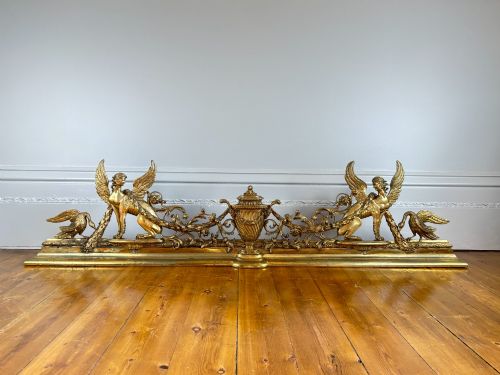
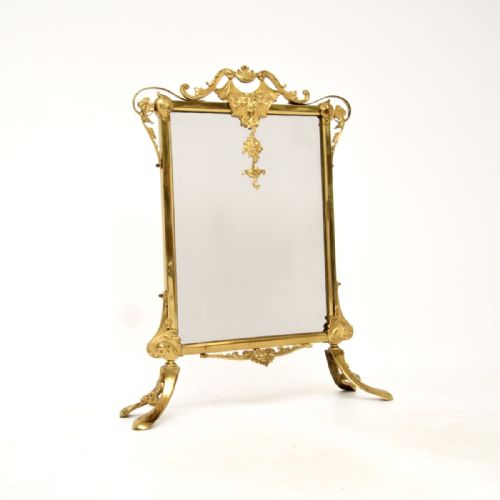
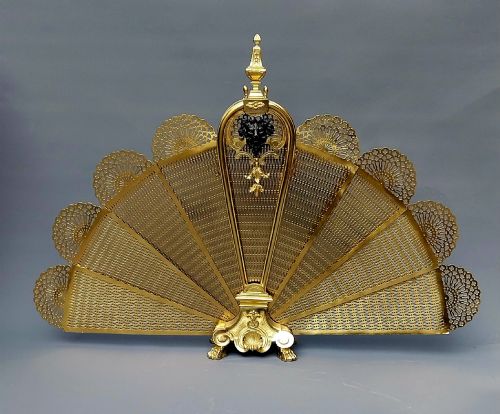
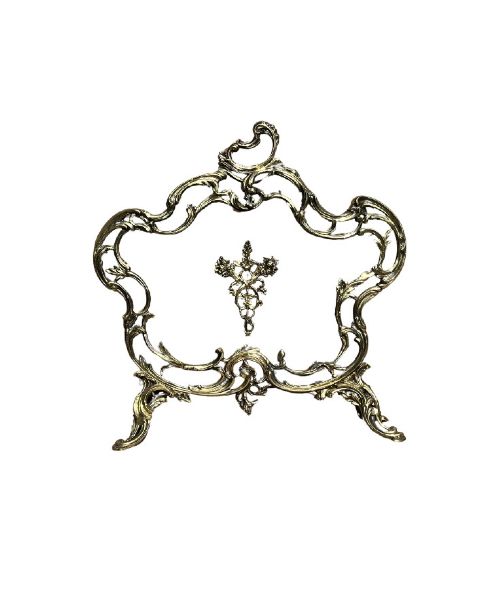
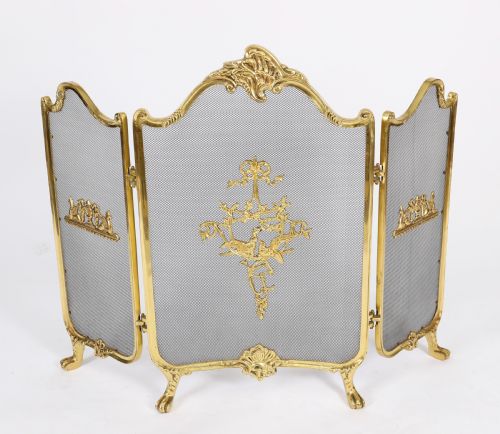
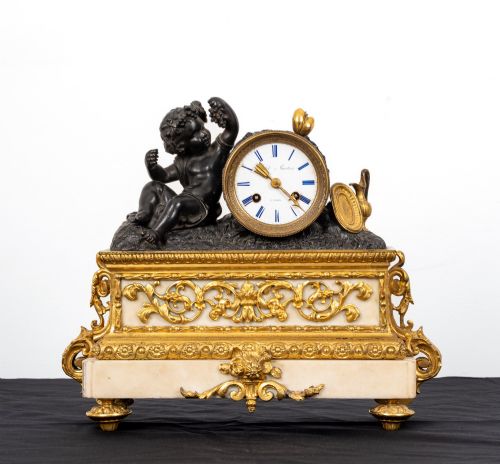
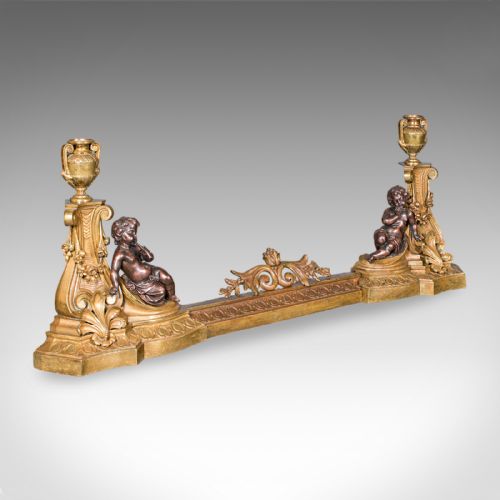
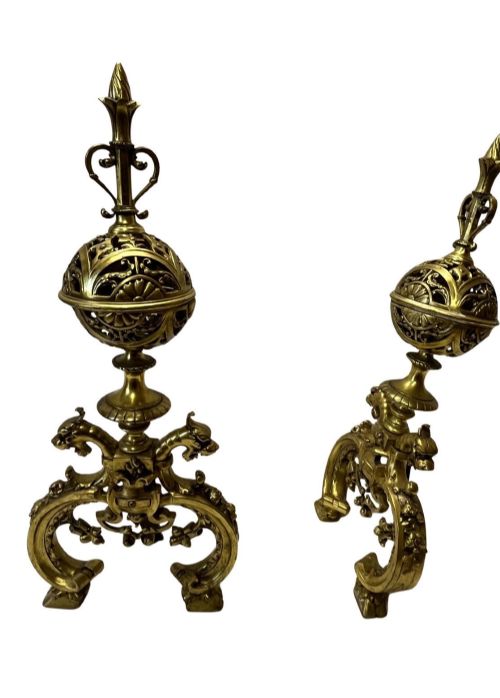
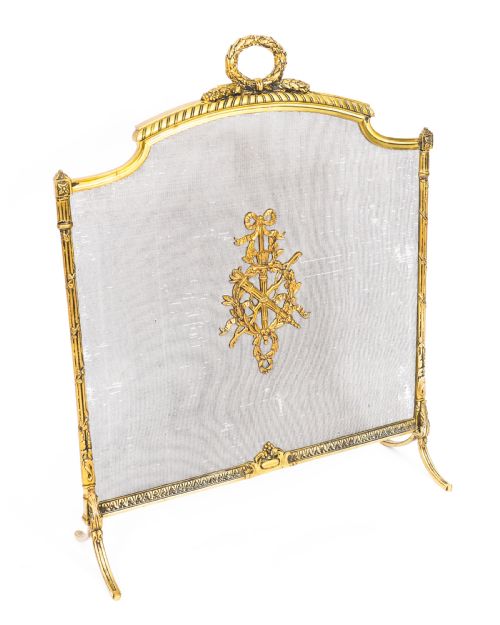
When searching for a gilt bronze fireplace, a buyer encounters metalwork designed to frame, protect, and heat a room during the nineteenth century. The most common forms on this page include folding fire screens, adjustable fenders, and heavy chenets.
Most items date from the Victorian era and the later nineteenth century, showing strong French design influences such as Rococo curves and Neoclassical symmetry. These objects were cast to turn a functional hearth into a formal centrepiece of the drawing room.
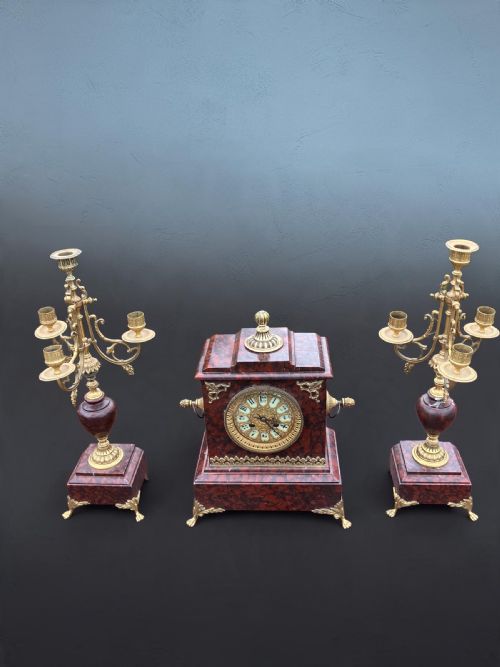
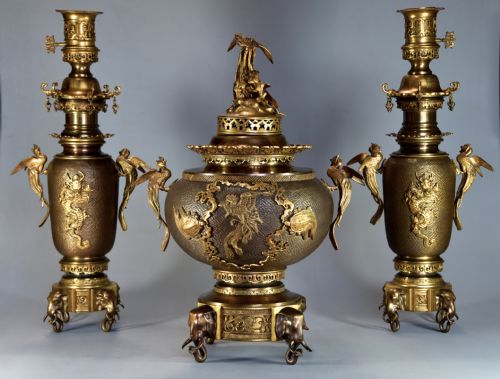
Makers and workshops across France and England produced these decorative accessories using cast metals combined with white or rouge marble and wire mesh. They range from simple protective fire kerbs to elaborate clock garniture sets placed upon the mantel shelf.
What varies in quality
Heavier gauge metals and genuine ormolu finishes hold their lustre over time, distinguishing high-end studio work from mass-produced Victorian alternatives. The integration of solid marble plinths and balanced structural mounts also dictates the overall solidity of the piece.
Gilt Bronze Fireplace Retail Price Guide 2026
Typical asking prices for gilt bronze fireplace among the pieces listed under this phrase on Sellingantiques today, from the lower quarter to the upper quarter. They describe what is for sale here now, not the wider market.
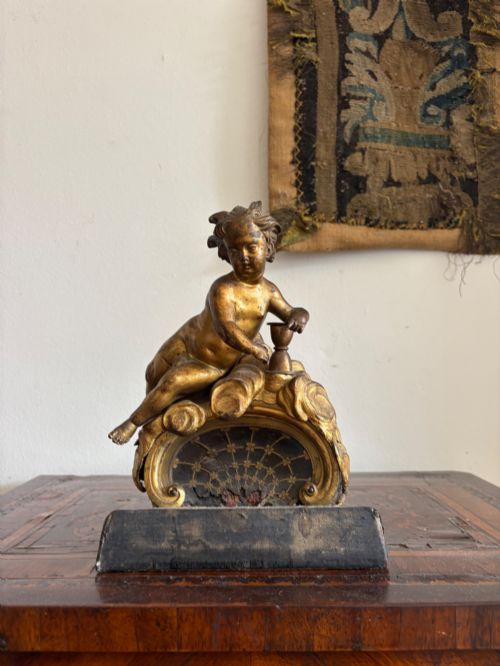
Tiny putto finials and brass cherubs peer out from the smoke, keeping permanent watch over nineteenth-century hearths.
E F Caldwell New York·Bouhon Frères·Siffel & Cartier
The Gilt Bronze Fireplace Glossary
- Ormolu
- A gold-coloured alloy applied to base metals through a mercury amalgamation process or modern electroplating. This technique gives nineteenth-century mounts their characteristic bright surface.
- Chenet
- A French term for an andiron, designed to support logs within the hearth while presenting a decorative front face to the room. Pairs often feature cherubs, urns, or Rococo scrolls.
- Garniture set
- A matched grouping consisting of a central clock flanked by two decorative ornaments such as vases or candelabra. These matched suites sat upon the mantelpiece above the fireplace.
- Fire screen
- A movable panel placed before the hearth to block excessive heat when the fire died down. Many examples utilise gilded bronze frames enclosing decorative wire mesh or painted panels.
- Fender
- A low metal guard placed on the floor around the hearth hearthstone to contain sparks and ash. Adjustable versions allowed them to fit various fireplace openings.
Gilt Bronze Fireplace: Frequently Asked Questions
What is a gilt bronze fireplace accessory?
These items are nineteenth-century hearth furnishings made from cast metals, featuring gold-coloured finishes, marble bases, and decorative brass mounts. They include screens, fenders, and chenets designed to adorn nineteenth-century drawing rooms.
Such objects combined practical fire safety with ornate decorative styles like French Rococo and Neoclassical revival.
How were fire screens used?
Fire screens served to shield people in the room from the intense heat radiating from an open coal or wood fire. Servants moved them closer to the hearth when the fire burned too fiercely.
They also protected interior furnishings from excessive warmth and hid an empty grate during the warmer summer months.
How do I identify French style pieces?
French nineteenth-century pieces often display characteristic Louis XV or Louis XVI revival motifs, including asymmetric scrolls, floral garlands, and musical trophies. The casting work tends to be exceptionally detailed.
Makers frequently incorporated rouge or white marble plinths and patinated bronze figures alongside bright ormolu mounts.
How do I clean gilt bronze?
Cleaning requires only a soft, dry cloth to remove dust from the intricate cast crevices and surface details. Avoid harsh commercial metal polishes that can strip away thin historical gilding.
Preserving the original patination ensures the metal retains its authentic nineteenth-century appearance.