



Gilt Brass Fireplace Screen
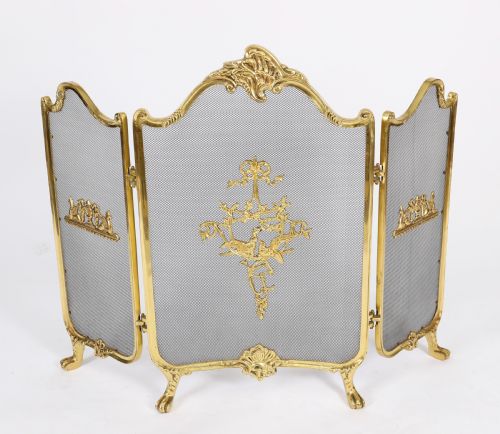
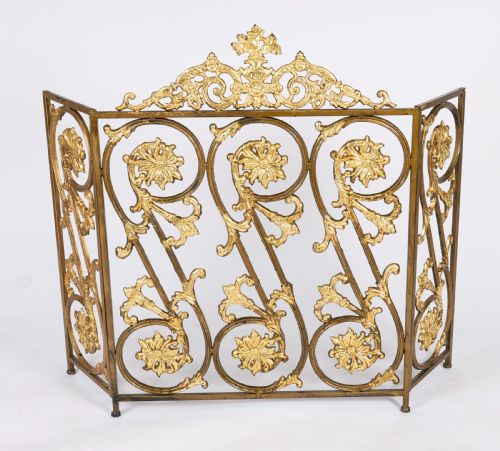
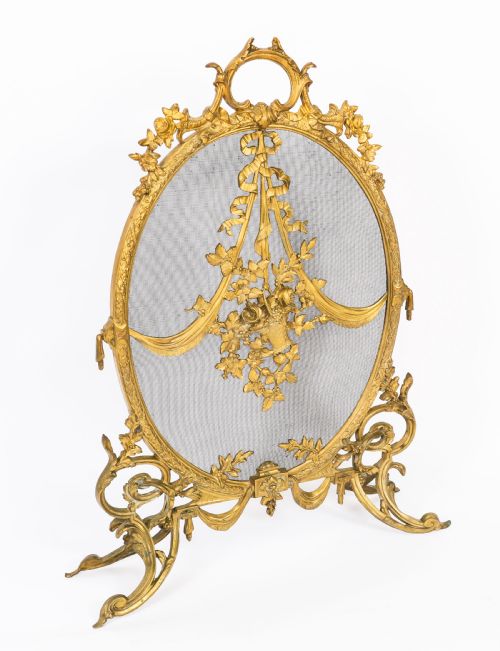
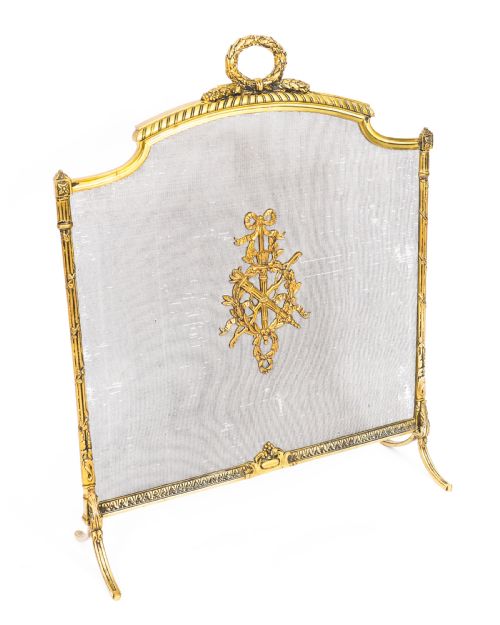
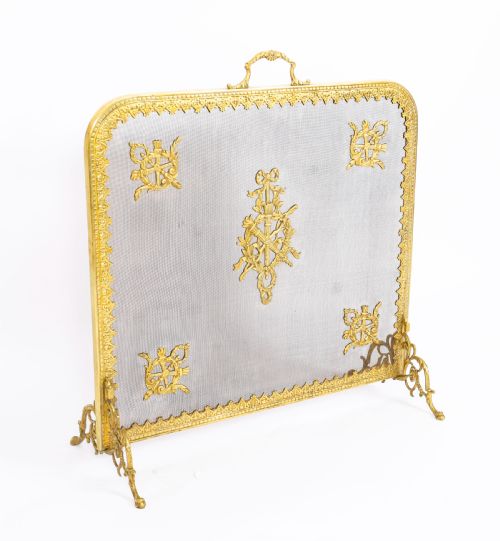
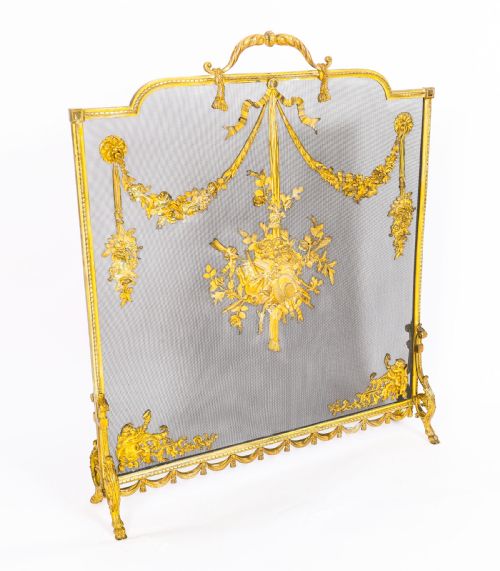
These gilt brass fireplace screen pieces bring French revival elegance and practical hearth protection to a room.
Gilt Brass Fireplace Screen
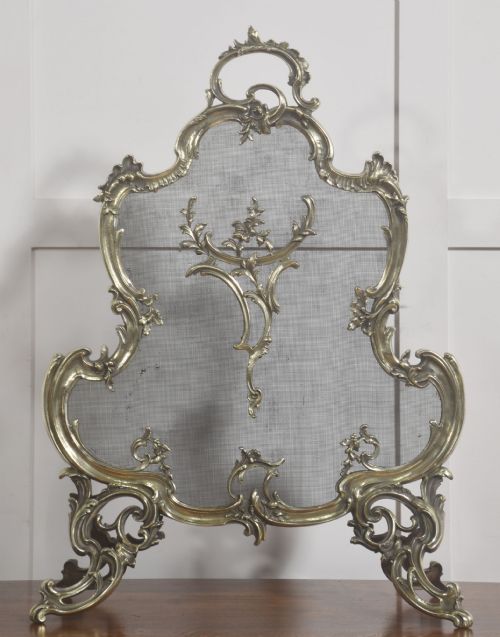
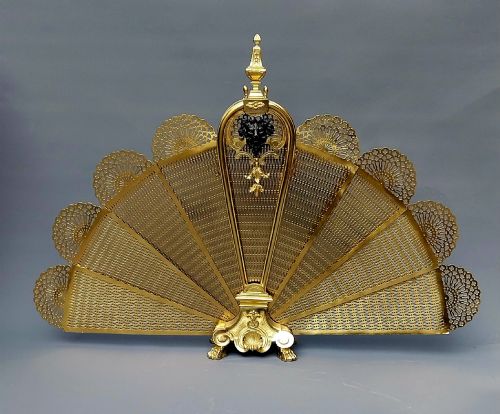
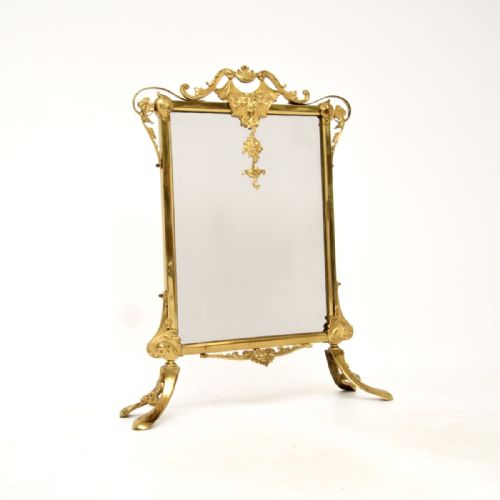
A gilt brass fireplace screen acts as both a decorative hearth accessory and a physical barrier against sparks, most frequently taking the form of an antique French piece from the nineteenth century. These items emerge across various revival styles including Rococo, Louis XIV, Louis XV, Louis XVI, and Empire, reflecting elaborate historicist tastes.
The objects listed here span the nineteenth century and early twentieth century, with dates reaching from eighteen hundred up to nineteen ten. Buyers encounter single screens alongside pairs, often featuring detailed mesh panels framed by ornate cast metalwork.
Makers and workshops utilised brass, gilt brass, gilt bronze, and gilded bronze alongside wire mesh and steel mesh to construct these functional fireplace accessories. French origin dominates the selection, though Victorian examples also appear on the market.
How they were made
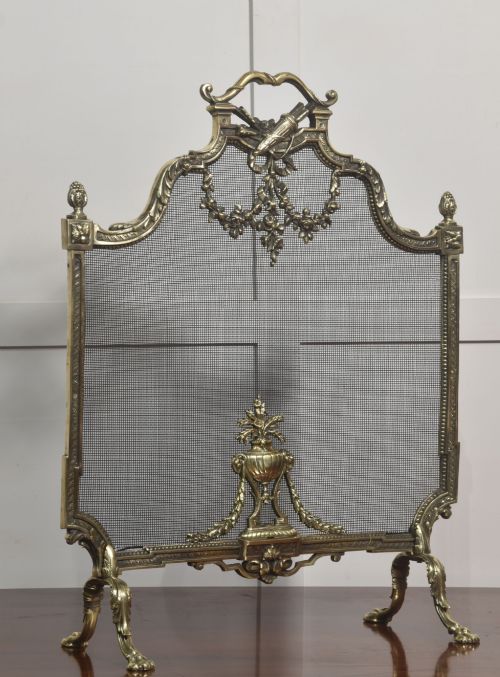
Casting formed the primary method for creating the elaborate frames, utilising brass, gilt bronze, and gilded bronze to shape motifs such as flaming torches, floral arrangements, and musical trophies. These metal elements were then finished with a gilt surface to impart a rich golden lustre.
Wire mesh and steel mesh were integrated into the central aperture of the frame to contain sparks while maintaining visibility of the fire. The combination of heavy cast mounts and fine mesh required precise joining techniques to ensure stability around the hearth.
Gilt Brass Fireplace Screen Retail Price Guide 2026
Typical asking prices for gilt brass fireplace screen among the pieces listed under this phrase on Sellingantiques today, from the lower quarter to the upper quarter. They describe what is for sale here now, not the wider market.
Even when the hearth is cold, a flaming torch motif ensures your room stays perpetually lit.
What varies in quality
The refinement of the cast ornamentation sets apart the superior examples from standard production, particularly in pieces displaying intricate French Rococo or Empire revival details. Crisp definition in motifs such as trophies and scrolling foliage indicates skilled foundry work.
The preservation of the original gilding and the structural integrity of the mesh panels influence the overall standard of each piece. Heavier gauge bronze and brass provide greater durability and a more substantial presence by the fireplace.
Bouhon Frères
The Gilt Brass Fireplace Screen Glossary
- Gilt bronze
- Metalwork coated with a thin layer of gold or gold-coloured alloy. It is also known asormolu and provides a durable, bright finish on antique frames.
- Fire screen
- A decorative barrier placed in front of an unlit or active fireplace to block excess heat or conceal the grate. They often incorporate mesh panels for safety.
- Rococo revival
- A nineteenth-century design movement inspired by eighteenth-century asymmetry, scrolling curves, and naturalistic shell motifs. It appears frequently on French fireplace accessories.
- Empire revival
- A style drawing on classical Roman, Greek, and Egyptian motifs associated with the Napoleonic era. Pieces often feature military trophies, flaming torches, and classical urns.
- Mesh
- A net-like barrier of interwoven wire or steel fitted within the screen frame. This component allows warmth to pass into the room while containing stray embers.
Gilt Brass Fireplace Screen: Frequently Asked Questions
How do I use a fire screen?
These screens sit directly in front of the hearth opening to catch stray sparks and embers while the fire burns. When the fireplace is not in use, they serve as decorative architectural ornaments that conceal an empty grate.
Position the screen to ensure the stable base rests firmly on the hearth floor. Keep flammable materials at a safe distance from the metal frame during use.
How do I clean gilt bronze?
Dust the metal gently with a soft, dry cloth to remove surface particles without disturbing the gilt surface. Avoid harsh chemical polishes that can strip away the historic golden finish over time.
For the mesh section, a soft brush can clear away accumulated soot or debris. Take care not to apply excessive pressure to delicate cast details during cleaning.
How do I identify French revival styles?
Rococo revival pieces display asymmetrical curves, floral sprays, and scrolling leaf patterns cast in heavy brass or bronze. Empire revival screens feature formal classical elements such as flaming torches, musical trophies, and strict symmetry.
Compare the decorative motifs against known historical design vocabularies to determine the specific revival period. Nineteenth-century interpretations often combine these elements with robust construction suited to active hearths.
Are these screens safe for fires?
The integrated wire mesh and steel mesh panels were designed specifically to catch flying sparks and embers. However, antique pieces require careful assessment of their structural stability before use with an open flame.
Ensure the frame stands securely on level ground and check that the mesh remains firmly attached to the surround. Many buyers choose to use these decorative items primarily with electric or gas fires.