

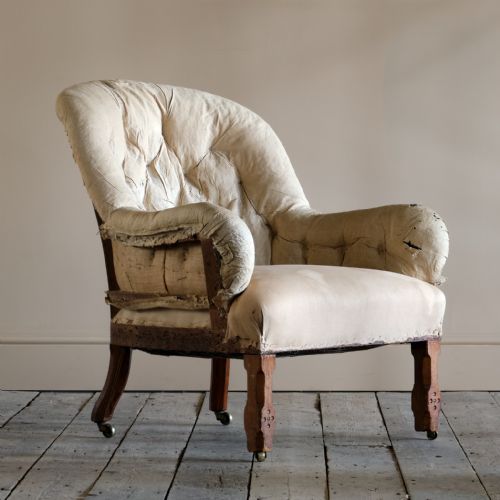


Gillows Mahogany Chair
When seeking a gillows mahogany chair, collectors encounter refined seating created by the celebrated Lancaster and London firm across the Georgian, Regency, and Victorian eras.
Gillows Mahogany Chair
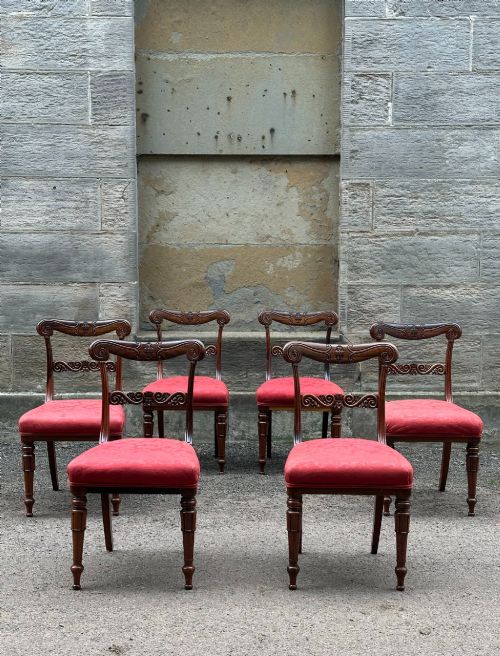
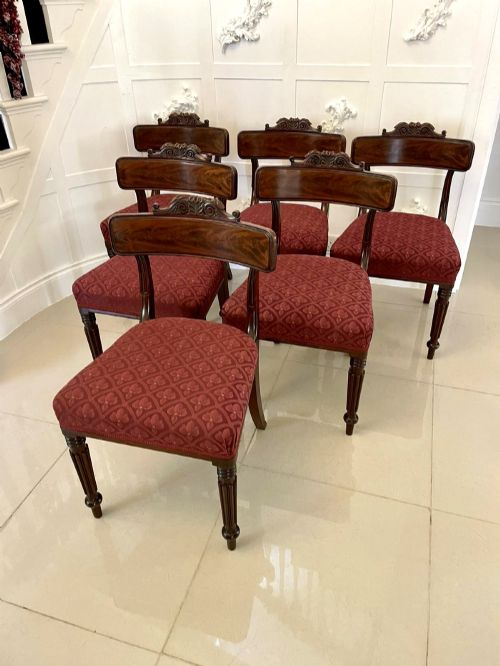
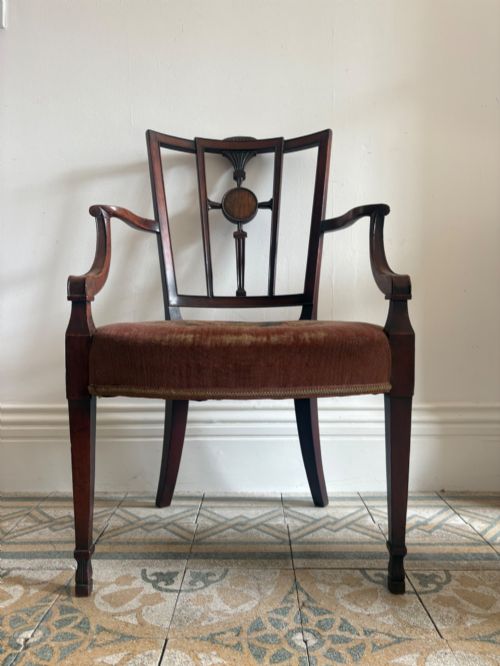
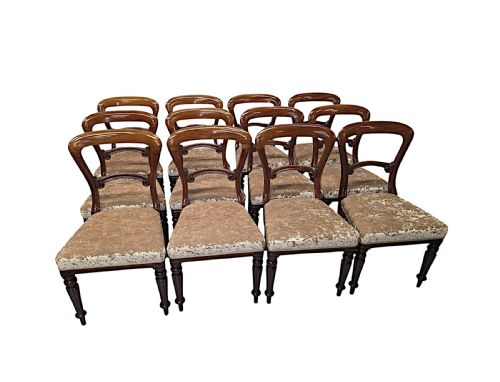
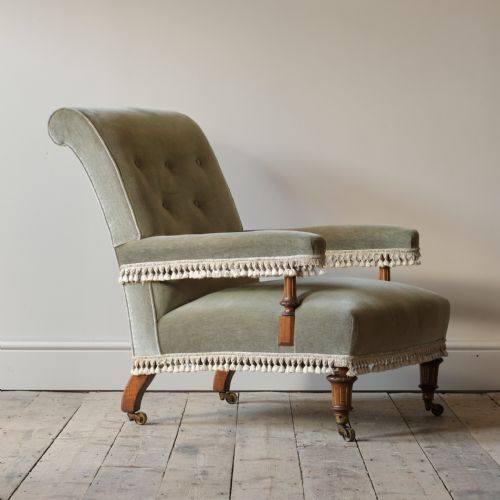
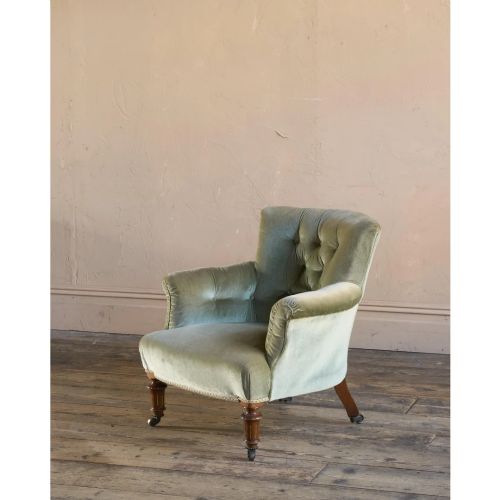
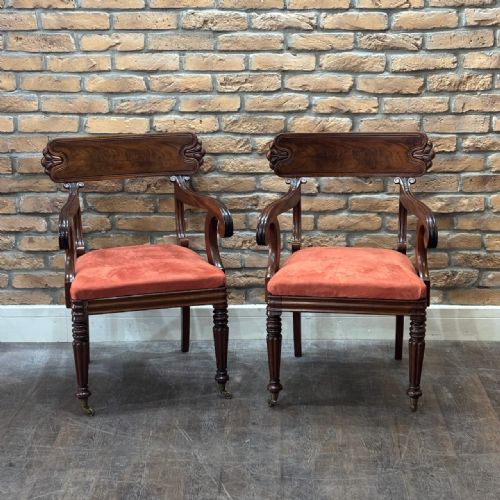
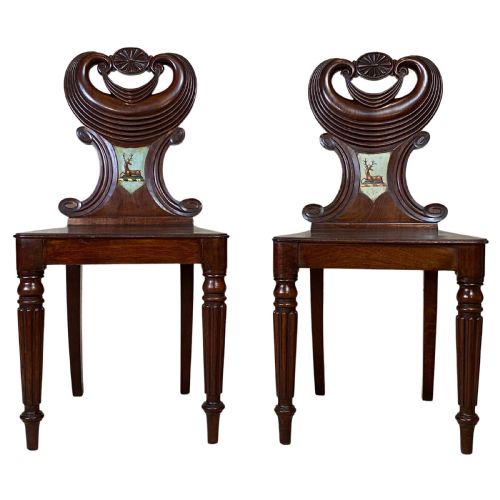
A gillows mahogany chair encompasses a diverse array of seating forms originating from the late eighteenth through the nineteenth century. Buyers searching for a gillows mahogany chair commonly discover formal dining chairs, library armchairs, and solid wood hall chairs.
The selection includes matched sets of dining chairs alongside single armchairs, bergères, and specialised piano stools. Pieces range from marked examples to those attributed through distinct construction traits or stylistic execution.
How they were made
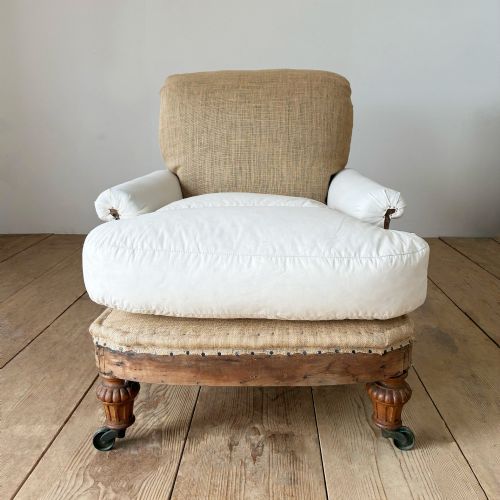
Maker workshops utilised dense Cuban and solid mahogany timbers, frequently pairing the rich wood with brass castors, hand-carved details, and reeded legs. Upholstered variants integrated supportive cane work, horsehair stuffing, and coverings of leather, velvet, or contemporary fabric.
Structural integrity relied on precise joinery, with specific models incorporating rotating mechanisms, X-frames, or stamped maker signatures directly into the timber frame.
Object forms span dining chairs and armchairs to piano stools, chaise longues, and hall chairs.
What varies in quality
The standard of a gillows mahogany chair depends upon the crispness of the carving, the selection of figured timber, and the presence of original components. Fully stamped pieces or documented attributions command higher regard than items merely executed in the manner of the workshop.
Condition plays a definitive role, distinguishing undisturbed surfaces and period upholstery from heavily altered frames or replaced structural elements.
Gillows·Waring and Gillows
The Gillows Mahogany Chair Glossary
- Bergère
- An enclosed upholstered armchair with exposed wooden framing and cane panels to the sides and back. This form often appears in library settings from the Regency period.
- Hall chair
- A rigid wooden seat lacking upholstered padding, designed for entrance spaces and frequently painted or carved with family crests. These chairs display solid mahogany construction.
- Curricle chair
- An armchair featuring a sweeping, continuous backrest that curves downward into low arms. The design echoes the lines of a two-wheeled carriage.
- Reeded legs
- Cylindrical or tapered furniture legs carved with parallel convex mouldings resembling clustered reeds. This decorative turning appears frequently on dining chair supports.
- Stamped signature
- A maker mark pressed directly into the wood using a metal die to identify the workshop. Gillows utilised this method on select pieces of furniture.
Gillows Mahogany Chair: Frequently Asked Questions
How do I identify a genuine piece?
Authentification relies on locating workshop stamps, examining timber selection, and comparing construction methods against known records from the Lancaster and London archives.
Specific proportions, characteristic reeded turning, and traditional joinery techniques also guide attribution when physical stamps are absent.
What periods do these chairs cover?
The inventory spans the late eighteenth century through the Victorian era, encompassing Georgian, Regency, George IV, and William IV styles.
Earlier examples display neoclassical restraint, while later Victorian iterations introduce heavier proportions and revival ornamentation.
How should I care for the leather and wood?
Maintenance requires avoiding direct sunlight and maintaining stable indoor humidity to protect the polished mahogany surfaces from warping or fading.
Leather and fabric upholstery benefit from gentle dusting and professional conditioning suited to period textiles.
Were these chairs made only for dining rooms?
Workshop production supplied seating for various domestic spaces, including libraries, hallways, bedrooms, and offices.
Formations ranged from rigid hall chairs to pivoting desk chairs and reclining library bergères.