


Gilded Wood Overmantel
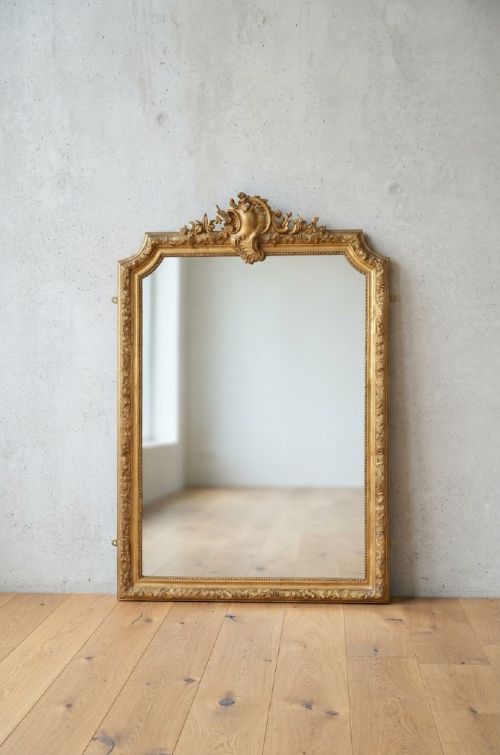
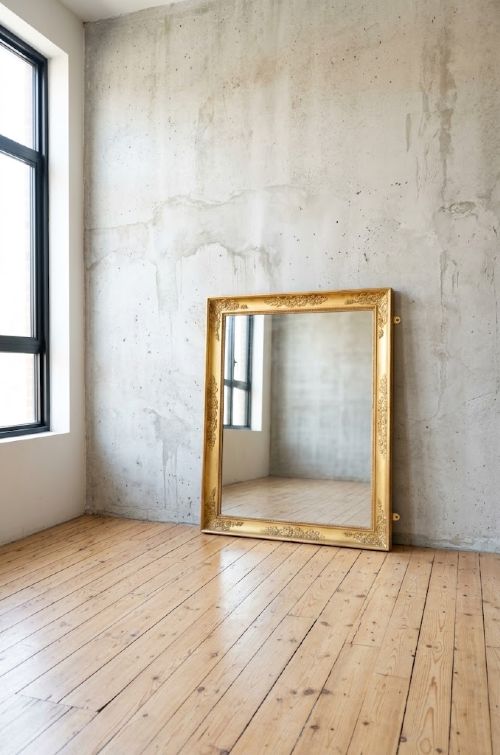
A gilded wood overmantel brings presence to a room, framing light and reflection with historic carved detail.
Gilded Wood Overmantel
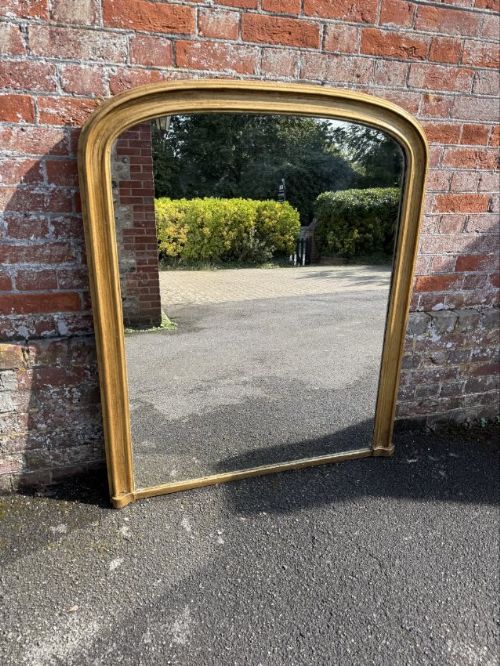
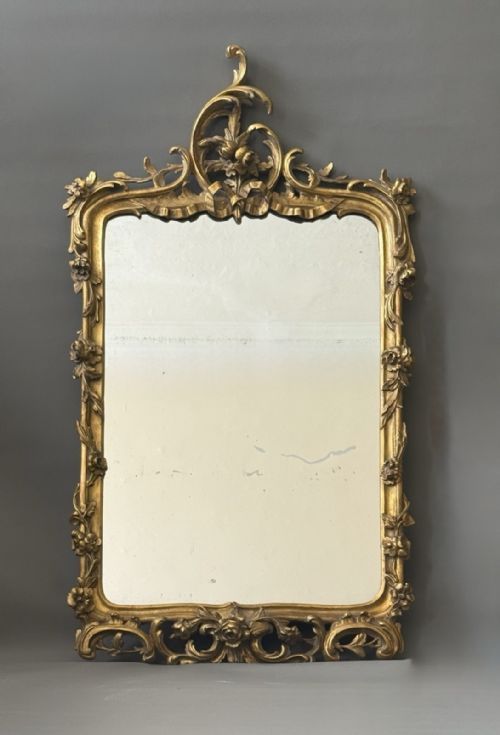
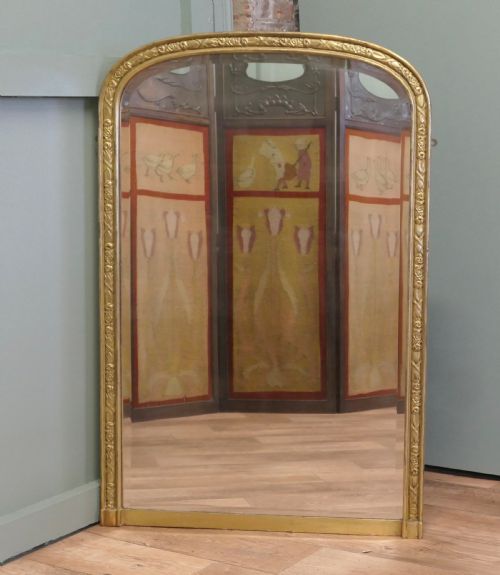
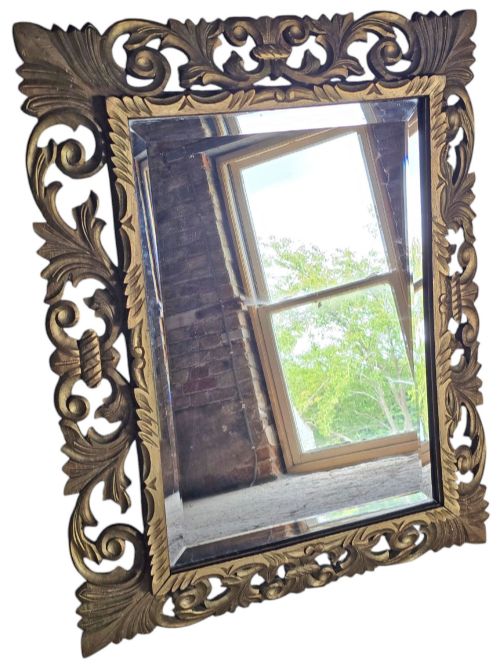
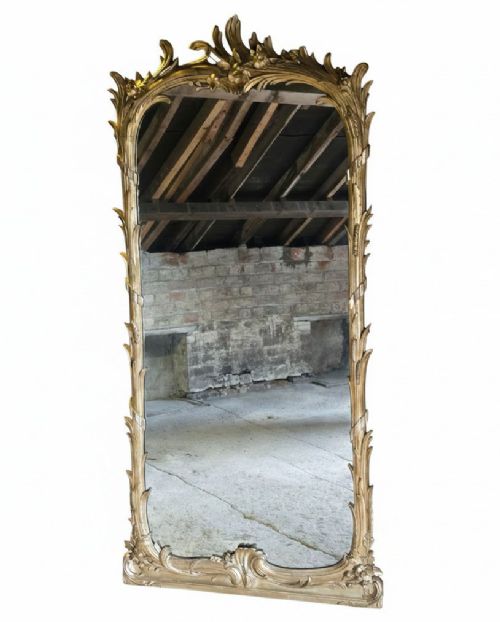
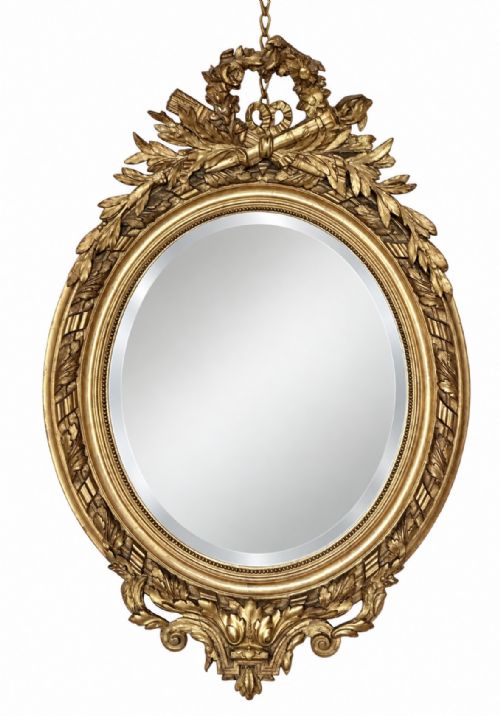
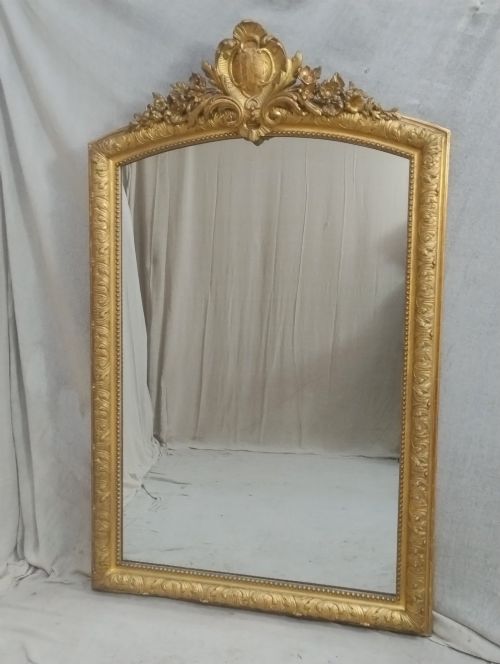
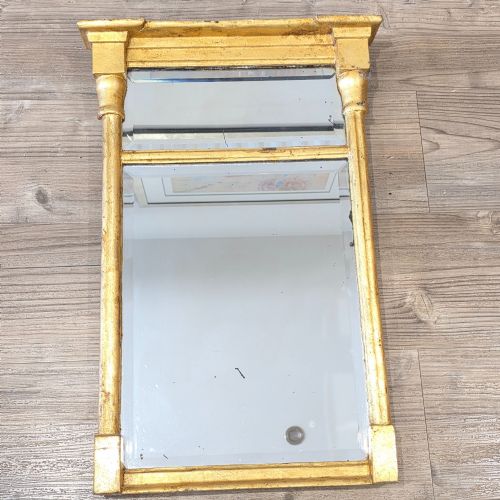
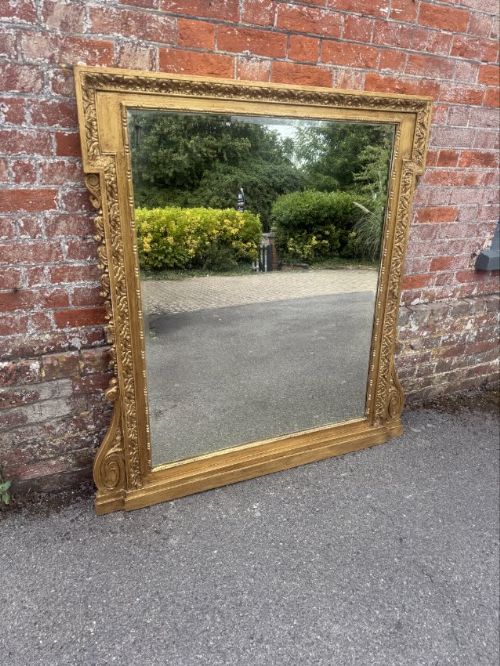
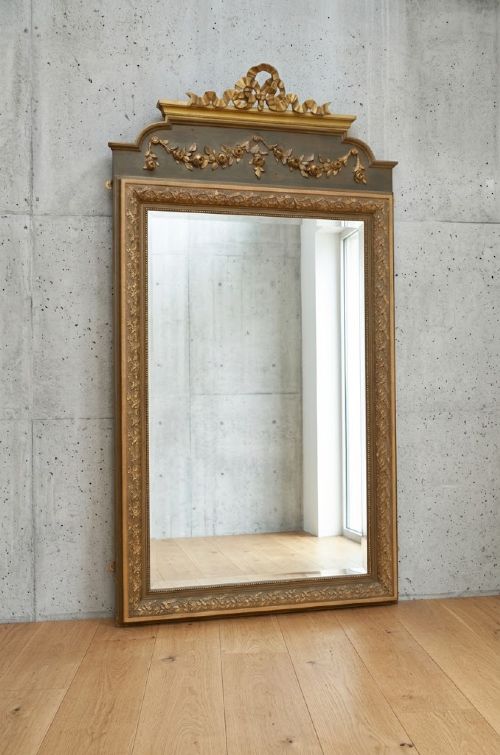
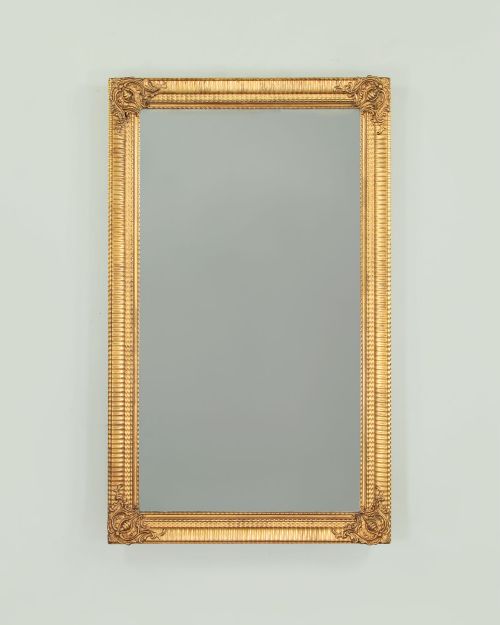
A gilded wood overmantel is a large mirror designed to sit above a fireplace, though many examples function equally well as principal wall mirrors. The pieces gathered here span the eighteenth and nineteenth centuries, taking forms from English arched top designs to French Louis Philippe and Rococo Revival styles.
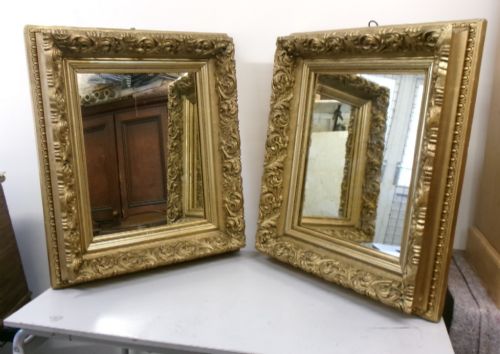
You will frequently encounter nineteenth century English and French output on this page, often showing carved wood and gesso frames. Alongside standard overmantel mirrors, the selection includes pier mirrors, trumeau mirrors with pastoral oil paintings, and triple plate configurations.
How they were made
Framing relies on carved wood and moulded gesso built over a sturdy wooden carcass, providing the sculptural depth required for acanthus leaf decoration and floral motifs. Artisans applied thin sheets of gold leaf or gilt layers over the gesso base to achieve a brilliant metallic finish.
Reflecting plates include early examples with foxed mercury glass alongside antique plate glass. Frames often incorporate composition ornaments pressed into moulds to expedite intricate scrolling details before final gilding.
The listings on this site span the eighteenth and nineteenth centuries, featuring materials such as gesso, giltwood, and mercury glass.
What varies in quality
Quality rests in the crispness of the hand carving and the depth of the gesso mouldings rather than flat surface perfection. Superior examples display confident, deep relief work in the wooden scrolls and crisply defined floral elements.
The integrity of the original gilding and the character of the mirror plate further distinguish the pieces. Retaining the original mercury glass plate or early gold leaf elevates an object far above later re-gilt surfaces.
Nosotti
The Gilded Wood Overmantel Glossary
- Giltwood
- Wood that has been coated with gold leaf. This finish provides the characteristic metallic warmth found on historic frames.
- Gesso
- A plaster mixture applied to wood frames as a base for carving and gilding. It allows artisans to shape intricate relief ornamentation.
- Mercury glass
- A double walled glass blown type containing a silvering mixture between the layers. Older examples often display characteristic foxing and spotting.
- Overmantel
- A mirror or painting specifically proportioned to hang on the wall directly above a mantelpiece. These pieces often feature wide horizontal formats to match the hearth below.
- Trumeau
- A decorative wall mirror incorporating a painted panel or oil painting within the upper section of the frame. Originating in France, these pieces combine art and reflection.
Gilded Wood Overmantel: Frequently Asked Questions
Where should an overmantel mirror hang?
These mirrors traditionally anchor the space directly above a fireplace mantel, reflecting room light and balancing the hearth below. They also function successfully on large drawing room walls when hung at eye level.
Ensure the wall construction can support substantial weight, as nineteenth century carved frames often incorporate heavy timber and glass plates.
How do I care for antique giltwood?
Dust the carved surfaces gently with a soft, dry brush to prevent accumulation in the recesses of the gesso work. Avoid liquid cleaners and modern polishes, which can strip historic gold leaf.
Keep the mirrors away from direct sunlight and damp environments to protect the antique glass and wooden framing.
What is foxed mercury glass?
Foxing refers to the dark spots and mottled patches that develop naturally within older mirror plates over long periods. This chemical ageing process causes the reflective backing to oxidize gracefully.
Collectors prize genuine mercury glass for the historic atmosphere and soft, uneven reflection it brings to a room.
How do I identify a French Louis Philippe mirror?
Louis Philippe mirrors typically feature rounded top corners combined with otherwise straight framing lines. The decoration tends to be more restrained than exuberant Rococo work, often showing subtle bead reels or leaf motifs.
Originating from the nineteenth century, these pieces suit both traditional and contemporary interiors through their clean architectural proportions.