





Gilded Shop Sign
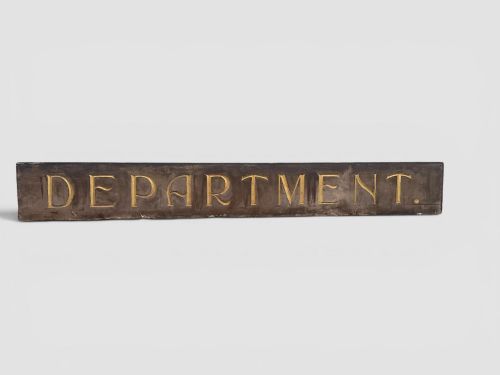
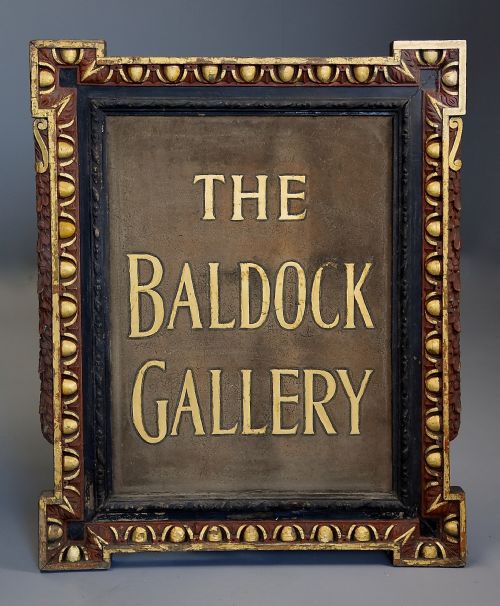
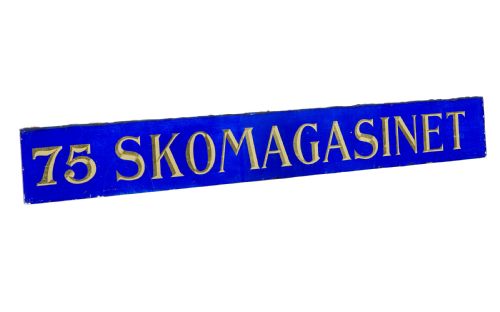
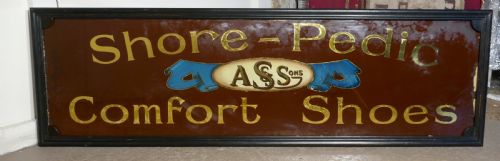
These gilded shop sign examples are bold trade markers designed to catch the eye of the passing street public.
Gilded Shop Sign
A gilded shop sign is a commercial artefact created to advertise a specific trade, service, or retail premises to the public. The pieces found here span the Victorian, late 19th century, Edwardian, and early 20th century periods, taking forms such as wall signs, hanging trade signs, and large department store signage.
Buyers will encounter sculptural and pictorial trade markers shaped directly after the goods or services sold inside, including pocket watches, pestle and mortars, shoe shop displays, and gallery boards. These items range from carved wood and painted timber boards to reverse glass painted panels and hanging glass boutiques.
The aesthetic mirrors the commercial expansion of the nineteenth and early twentieth centuries, featuring distinct Victorian commercial and early 20th century Scandinavian designs. Each object served a functional purpose on a high street, exterior wall, or interior shop window before transitioning into decorative interiors.
How they were made
Makers utilised traditional timber construction, carving solid wood into sculptural forms like giant pocket watches or apothecary pestle and mortars. Surfaces were then prepared for painting and applied gold leaf, providing a luminous finish that caught daylight and gaslight alike.
Glass panels were reverse painted and combined with gold leaf for interior and window displays, creating deep reflective layers. Iron and gilt metal elements provided structural support or hanging brackets for heavy trade boards exposed to the street weather.
Gilded Shop Sign Retail Price Guide 2026
Typical asking prices for gilded shop sign among the pieces listed under this phrase on Sellingantiques today, from the lower quarter to the upper quarter. They describe what is for sale here now, not the wider market.
Listings feature items from the Victorian, Edwardian, and early 20th century periods, utilising gold leaf, paint, glass, wood, and iron.
What varies in quality
Quality rests upon the crispness of the carving, the durability of the original paint layers, and the preservation of the applied gold leaf. Sculptural trade signs modelled directly as recognizable objects demand a higher level of artisan skill than flat painted boards.
The integrity of the surface decoration, whether carved timber or reverse glass painting, determines the visual impact of the piece. Surviving gilding that retains its original warmth and depth separates standard commercial markers from exceptional examples.
The Gilded Shop Sign Glossary
- Gold Leaf
- Gold beaten into extremely thin sheets used for gilding surfaces. It provides a bright, weather-resistant metallic finish on exterior and interior trade markers.
- Reverse Glass Painting
- A technique where the image is painted on the back of a glass pane to be viewed from the front. This method protects the pigment and produces a glossy appearance.
- Trade Sign
- A sculptural or painted sign hung outside a shop to indicate the profession housed within. These objects often took the literal shape of the wares sold.
- Apothecary Trade Sign
- A marker specific to chemists and pharmacists, frequently shaped as a pestle and mortar. They signaled medical and herbal goods to literate and illiterate passersby.
- Gilt Metal
- Metal coated with a thin layer of gold leaf or gold paint. It offered the appearance of solid gold while utilising more durable base metals for hanging brackets.
Gilded Shop Sign: Frequently Asked Questions
What trades used these signs?
Trades such as carpentry, apothecary, dentistry, shoe retail, and art galleries utilised these pieces to advertise their businesses.
Specific objects were shaped to match the exact service offered inside the premises.
How were hanging signs mounted?
Hanging signs utilised iron or metal brackets attached directly to the exterior masonry or timber facade of the shop.
This allowed the sign to project outward over the pavement so pedestrians could see it from a distance.
Where should I hang one indoors?
These large signs suit high-ceilinged rooms, hallways, or commercial interiors where they can serve as a focal point.
Ensure the wall structure can support the weight of solid wood or glass construction.
How do I identify a Victorian sign?
Victorian examples display dense timber construction, hand-lettered typography, and traditional hand-applied gold leaf techniques.
The specific commercial styles reflect the retail aesthetic of the nineteenth century.