




Gilded Scroll Mirror
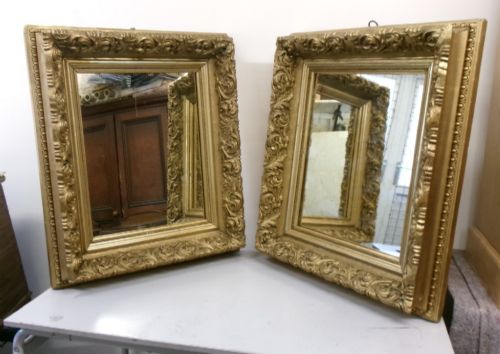
A gilded scroll mirror brings luminous reflection and intricate carved movement into a room, drawing the eye instantly to its ornamented wooden frame.
Gilded Scroll Mirror
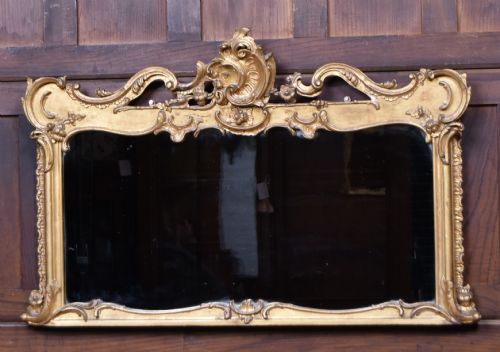
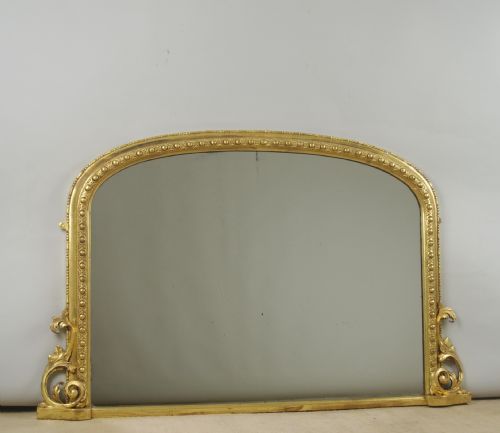
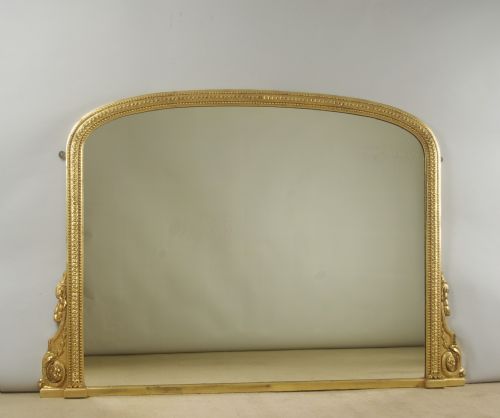
A gilded scroll mirror encompasses wall-hanging and overmantel pieces defined by ornate, curling wooden frameworks finished in gold leaf or paint. These objects serve as decorative focal points within interiors, often hung above mantelpieces, console tables or dressing furniture to amplify light and spatial depth.
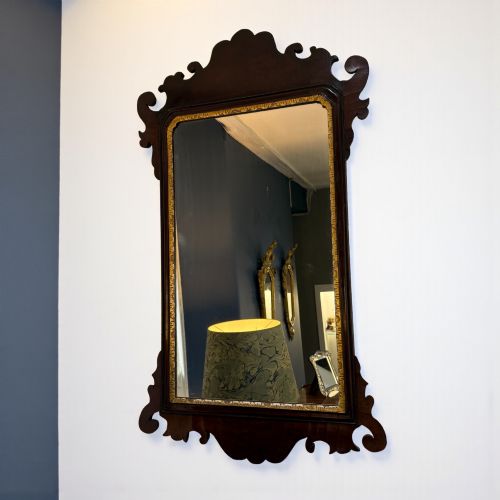
The versions most frequently met on this page span the Georgian, Victorian, and later revival periods, displaying styles from Italian Rococo to Chippendale fretwork. Makers across England, Ireland, Italy, Spain, and France produced these mirrors in varied scales, from intimate vanity pieces to large architectural overmantels.
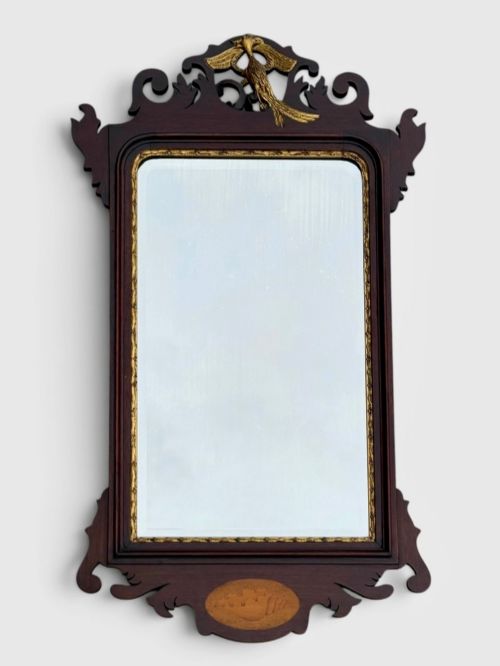
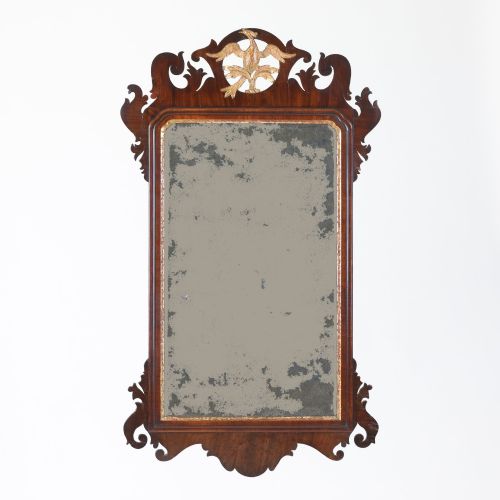
Buyers encounter forms ranging from simple mahogany wall mirrors with parcel-gilt detailing to heavy, elaborately carved giltwood frames featuring motifs such as the Ho-ho bird or classical scrolls. Each piece captures historical aesthetic shifts towards ornate, flowing ornamentation.
Materials and construction methods
These pieces rely on timber frames fashioned from woods such as mahogany, walnut, and underlying softwoods that were shaped through carving, fret-cutting, or joinery. Carvers worked directly into the timber or applied layers of gesso to build up intricate scrollwork and relief details before finishing.
The golden surfaces are achieved through the application of gold leaf, parcel-gilt highlights, or paint applied over prepared grounds on wood or gesso. Reflective qualities are provided by glass plates, sometimes incorporating traditional engraved designs or bevelled edges suited to the period of manufacture.
Gilded Scroll Mirror Retail Price Guide 2026
Typical asking prices for gilded scroll mirror among the pieces listed under this phrase on Sellingantiques today, from the lower quarter to the upper quarter. They describe what is for sale here now, not the wider market.
Listings feature items spanning the 18th Century, Georgian period, 19th Century, and 20th Century up to the 1930s.
Evaluating craftsmanship and execution
The refinement of the carved scrollwork and the depth of the relief carving distinguish finer examples from simpler production. Master carvers achieved crisp, undercut foliage and balanced asymmetry in Rococo designs, whereas lesser pieces display softer, shallower ornamentation.
The integrity of the gilding and the preservation of the original wooden frame and mirror plate dictate the overall standard. High-quality objects maintain harmonious proportions between the heavy glass and the supporting wooden structure, with cohesive integration of gold leaf and gesso.
The Gilded Scroll Mirror Glossary
- Giltwood
- Wood that has been coated with gold leaf or gold powder applied over a prepared gesso ground. This traditional finish provides a warm, reflective metallic sheen.
- Gesso
- A plaster-like mixture applied to wooden frames as a smooth base for carving or gilding. It allows craftsmen to model intricate low-relief details before applying gold leaf.
- Fretwork
- Openwork ornamentation carved or pierced from a thin board of wood, commonly seen in geometric or scrolling patterns on eighteenth-century style frames.
- Overmantel mirror
- A large horizontal mirror designed specifically to be hung on the wall directly above a fireplace mantelpiece. These pieces often feature architectural arches or grand decorative crests.
- Rococo
- An ornate artistic style characterised by asymmetry, scrollwork, and naturalistic motifs like shells and foliage. It strongly influences the curving frames seen in these mirrors.
Gilded Scroll Mirror: Frequently Asked Questions
How do I hang a heavy overmantel mirror safely?
Large overmantel mirrors require substantial wall fixings anchored directly into masonry or secure wooden studs to support their considerable weight.
Professional mirror installers typically utilise heavy-duty wall brackets or split battens that distribute the load evenly across the structure of the frame.
What rooms suit a gilded scroll mirror best?
These mirrors suit reception halls, morning rooms, and bedrooms where their reflective qualities can brighten darker corners. Placing them above a mantelpiece or console table creates a traditional focal point that draws the eye upward.
Their ornate wooden frames complement both period interiors and contemporary spaces seeking a touch of historical contrast.
How can I tell a Georgian mirror from a later revival piece?
Georgian mirrors typically exhibit period-specific construction techniques, hand-carved details, and older mirror plates that may show subtle foxing or distortion. Mahogany framing and specific fretwork patterns often point to eighteenth-century origins.
Revival pieces produced during the Victorian era or the twentieth century often replicate these earlier styles using slightly different timber preparations and machine assistance.
How should I clean antique glass and gilt frames?
Dust the carved wooden and gilt surfaces gently with a soft, dry brush to prevent accumulating dirt within the intricate scrollwork. Avoid harsh chemical cleaners that might strip the delicate gold leaf or paint finish.
Clean the mirror glass sparingly using a soft cloth slightly dampened with water or a mild glass cleaner, taking care not to let moisture seep behind the plate edge.