




Gilded Satsuma Pottery Vases
These gilded satsuma pottery vases are Japanese earthenware vessels decorated with enamel and gold leaf, offering intricate narrative scenes for collectors.
Gilded Satsuma Pottery Vases
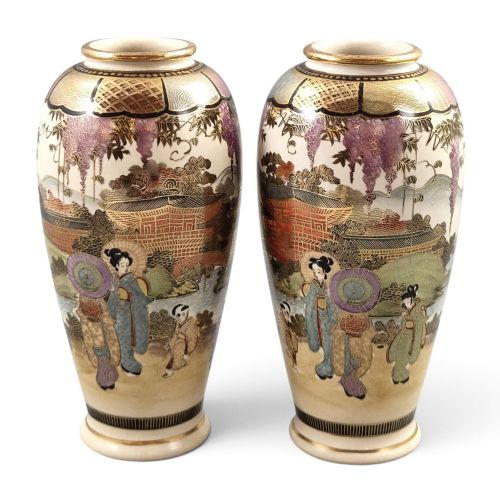
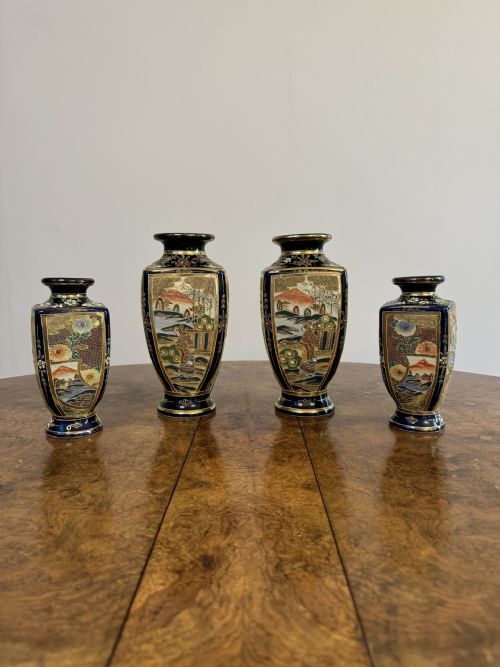
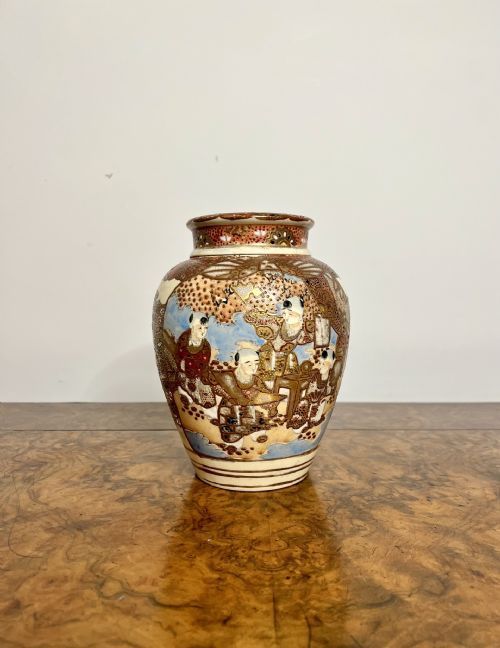
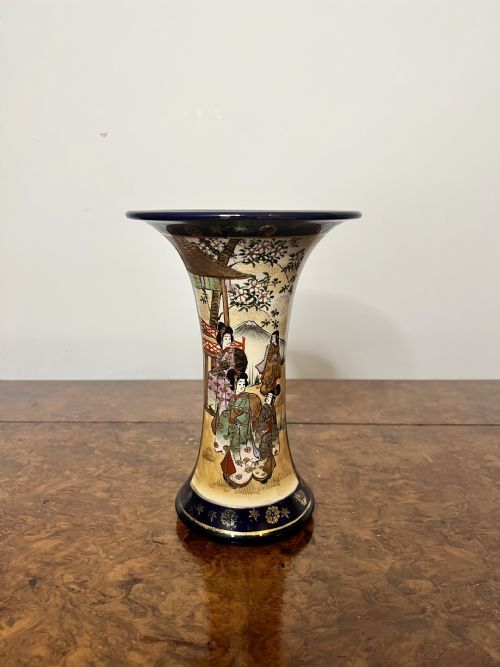
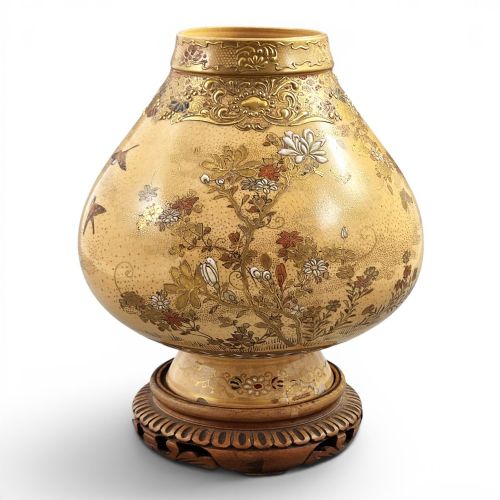
Gilded satsuma pottery vases encompass earthenware vessels, ginger jars, and table lamps originating primarily from the Meiji and Showa periods. Makers shaped these items into hexagonal, globular, and garlic head forms.
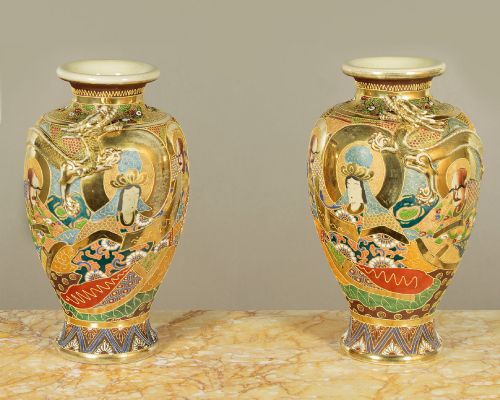
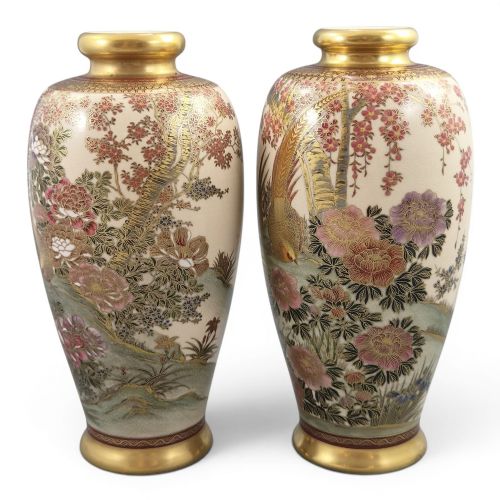
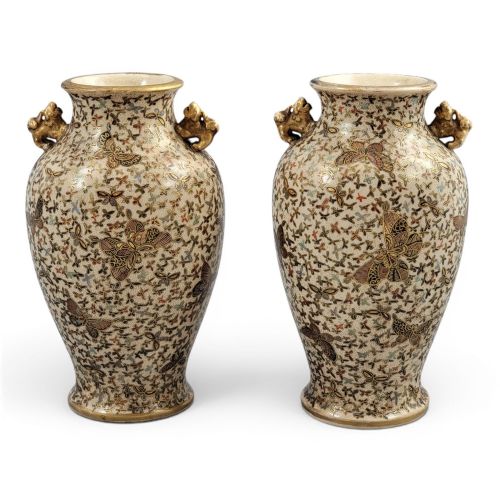
Most examples hail from Kyoto and Kobe, featuring painted court figures, landscapes, and traditional motifs such as butterflies and dragons. Buyers frequently encounter pairs of vases alongside occasional garnitures and individual display pieces.
The aesthetic bridges traditional Japanese artistry with nineteenth century European tastes, forming part of the broader Japonisme movement.
How They Were Made
Potters formed these items from earthenware, applying an absorbent glaze that cracked into a characteristic network across the surface. Artisans then built up detailed figurative and landscape panels using polychrome enamel and heavy gold leaf gilding.
Many workshops utilised moriage techniques, laying down raised enamel dots and lines to give garments and architectural details a tactile, three dimensional quality.
Some miniature vessels pack hundreds of painted arhats and tiny golden butterflies onto surfaces smaller than an apple.
What Varies in Quality
The standard of painting on gilded satsuma pottery vases dictates their standing, ranging from hastily decorated export wares to meticulous narrative panels crowded with arhats or court figures. Hand-painted precision in facial expressions and botanical details separates ordinary items from exhibition pieces.
The density and application of gold leaf and enamel also differ markedly, with superior vessels displaying heavy, burnished gilding that remains crisp and bright against the cream glaze.
Shozan·Manpei·Kinkōzan·Kinzan·Hotoda·Seiko-en Chokei·Tagawa·Tashiro
The Gilded Satsuma Pottery Vases Glossary
- Earthenware
- Porous ceramic pottery fired at lower temperatures, forming the standard body for these vessels before glazing and decoration.
- Moriage
- A ceramic technique using piped clay or thick enamel to create raised, textured patterns on the surface of the vase.
- Meiji Period
- The era in Japanese history spanning from 1868 to 1912, associated with the expansion of decorative arts exported to Western markets.
- Shimazu Mon
- A crest or badge associated with the Shimazu clan, frequently painted on the base or body of Satsuma pottery.
- Garniture
- A set of matching ceramic vessels, often comprising three or four pieces designed to sit together on a mantelpiece.
Gilded Satsuma Pottery Vases: Frequently Asked Questions
How do I identify a Meiji period piece?
Meiji period gilded satsuma pottery vases often feature dense hand-painted figures, intricate moriage work, and signatures from notable Kyoto workshops. The earthenware bodies display a fine, intentional crackle glaze.
Examine the base for artist signatures or factory marks, which help tie the vessel to specific makers active between eighteen sixty-eight and nineteen twelve.
What is the Shimazu crest?
The Shimazu crest, or mon, depicts a circle enclosing a cross and relates to the feudal lords who originally patronised the Satsuma kilns. Its presence connects the pottery to its historical regional origins in southern Japan.
Many export pieces bear this mark as a badge of traditional authenticity rather than personal ownership.
How should I clean these vases?
Dust these delicate earthenware items gently with a dry, soft brush to protect the enamel and gold leaf. Avoid using water, chemical cleaners, or damp cloths, which can harm the vulnerable surface.
Keep them away from direct sunlight to preserve the vibrant colours of the hand-painted figures and landscape scenes.
Are these items waterproof?
Most antique satsuma vessels feature porous earthenware bodies covered with decorative glazes primarily intended for display rather than holding water. Using them for fresh flowers risks staining the interior and damaging the ceramic body.
Enjoy them as decorative centrepieces or pair them with appropriate inner liners if displaying botanical arrangements.