




Gilded Reading Light
A gilded reading light brings directed illumination and warmth, combining metalwork and classical or revival styles.
Gilded Reading Light
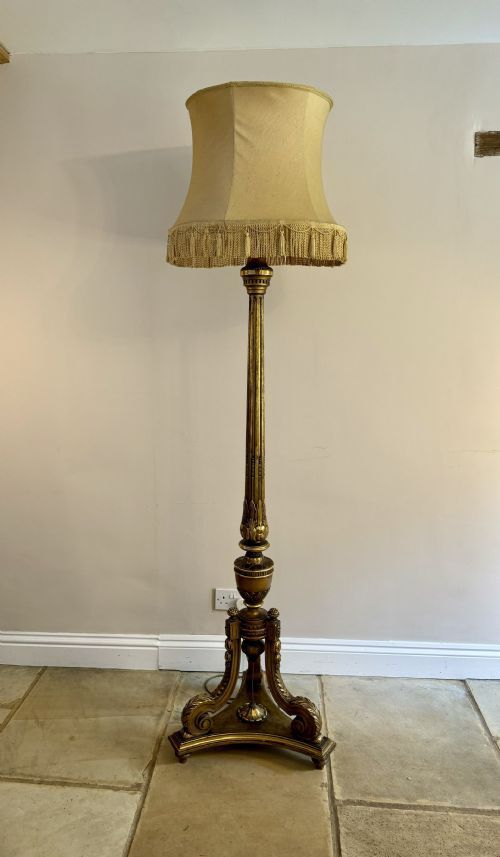
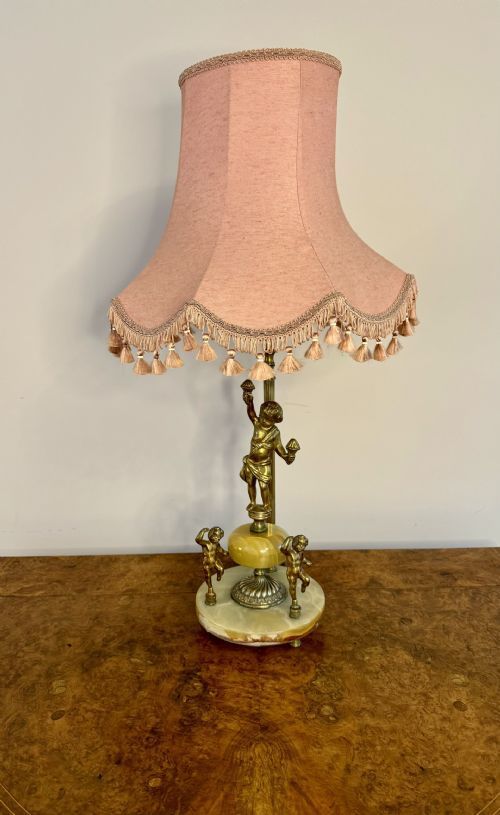
A gilded reading light provides directed illumination while introducing decorative metallic surfaces to a room. When searching for a gilded reading light, collectors encounter various forms including table lamps, floor lamps, standard lamps, and desk lamps.
The pieces span multiple periods from the nineteenth century through the 1930s, encompassing styles such as French Chateau, Art Nouveau, French Empire, Edwardian Chinoiserie, Neoclassical Revival, French Louis XVI, and Italian Baroque.
Standard and floor lamps stand taller for placement beside seating, whereas table and desk lamps sit closer to surface level. Common design references draw upon European decorative traditions, incorporating ornamental metal bases and vertical shafts.
How they were made
Construction relies heavily on metals such as brass, ormolu, and gilt bronze, often shaped into structural shafts and decorative mounts. Artisans employed casting and chasing techniques to define intricate surface details on the metalwork.
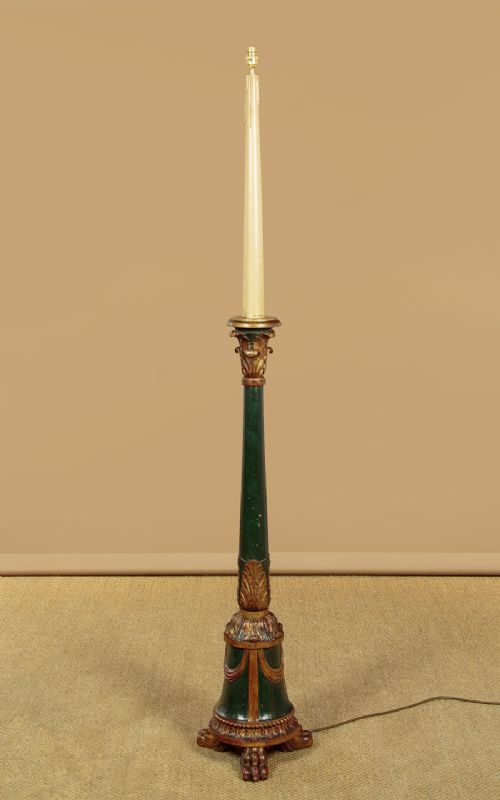
Wood elements also appear in these items, including giltwood, painted wood, and lacquer finishes that complement the metallic sheen. Fabric shades and frosted glass components are utilised to soften the light emitted from the bulbs.
Gilded Reading Light Retail Price Guide 2026
Typical asking prices for gilded reading light among the pieces listed under this phrase on Sellingantiques today, from the lower quarter to the upper quarter. They describe what is for sale here now, not the wider market.
Materials across the listings include fabric, brass, wood, giltwood, ormolu, gilt bronze, painted wood, and lacquer.
What varies in quality
The refinement of the casting and carving separates standard items from finer examples. Crispness in the foliage, scrolls, and figures indicates skilled hand-chiselling after the initial metal casting.
The integrity of the surface finish dictates visual appeal, as intact gilding on wood or bronze maintains a cohesive appearance. Combination pieces integrating onyx, marble, or bronze alongside gilt elements demonstrate elevated material selection.
The Gilded Reading Light Glossary
- Ormolu
- Finely ground high-carat gold applied to bronze through a mercury amalgamation process or via electroplating. This technique imparts a durable, luminous golden finish to decorative mounts.
- Giltwood
- Wood that has been coated with a thin layer of gold leaf or powder. It is frequently carved with floral or architectural motifs before the gilding is applied.
- Standard Lamp
- A tall freestanding floor lamp designed to illuminate a room from a corner or beside furniture. These pieces often feature weighted bases to support their extended vertical stems.
- Notary Lamp
- A specialised desk lamp historically used for paperwork and reading, often featuring a metal shade and adjustable arm. They frequently incorporate cast bronze and glass components.
- French Louis XVI Style
- A neoclassical design aesthetic characterised by straight lines, symmetry, and classical motifs such as ribbons and urns. Pieces in this style emphasise geometric restraint over exuberant curves.
Gilded Reading Light: Frequently Asked Questions
Where should I place a floor reading lamp?
These tall fixtures suit placement beside armchairs, reading desks, or sofas to cast light downwards onto pages.
Ensure the height clears surrounding furniture so the illumination hits the workspace correctly.
How do I identify a French Empire style lamp?
Empire designs draw upon classical Roman, Greek, and Egyptian motifs, featuring heavy bronze mounts and symmetrical forms.
They often incorporate patinated bronze contrasted against bright gilded ormolu details.
Are these lamps suitable for modern interiors?
The metallic finishes and classic silhouettes integrate well into contemporary spaces as functional sculptural elements.
Mixing historical lighting with modern furnishings adds textural contrast to a room.
What is the difference between a standard lamp and a table lamp?
Standard lamps stand directly on the floor on elongated shafts, illuminating larger areas or seating groups from above.
Table lamps sit on surfaces like desks, sideboards, or bedside tables for more localized illumination.