




Gilded Metal Box
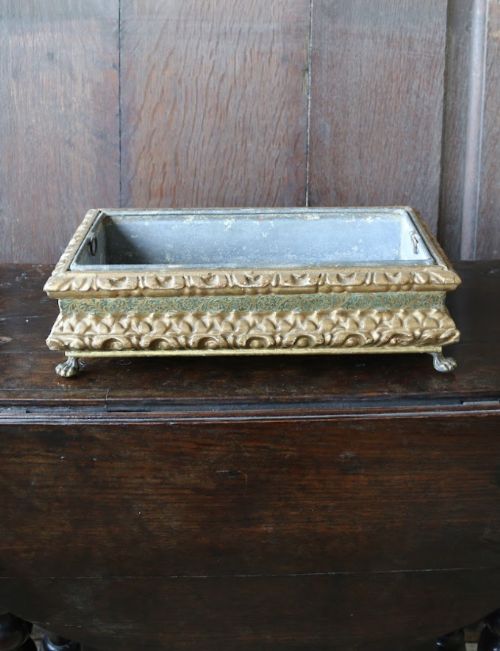
A gilded metal box holds trinkets and treasures, catching the light with the warmth of gold applied to bronze, copper, or brass.
Gilded Metal Box
A gilded metal box brings ornamental storage into domestic spaces, taking the form of jewellery caskets, trinket boxes, and small containers. These items serve to hold personal valuables, small keepsakes, and tabletop items.
Makers shaped these vessels using metals such as gilt bronze, brass, and gilded copper, often combining them with glass panels or painted elements. Their origins stretch across British, French, Italian, and Spanish traditions.
How they were made
Craftsmen utilised foundational metals like bronze, copper, and brass, shaping them through casting, engraving, and electro-forming techniques. Gilt surfaces were achieved by applying gold leaf or liquid gold finishes to the metal substrates.
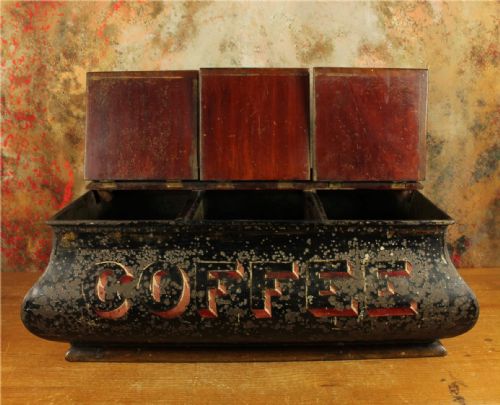
Many containers incorporate secondary materials such as carved wood, glass panels, toleware paintwork, and porcelain inserts like Limoges miniatures. These additions required precise metal framing and secure mechanical joinery to unite disparate elements.
Gilded Metal Box Retail Price Guide 2026
Typical asking prices for gilded metal box among the pieces listed under this phrase on Sellingantiques today, from the lower quarter to the upper quarter. They describe what is for sale here now, not the wider market.
Listings feature items spanning the 16th to the 19th centuries, utilising gilt bronze, brass, toleware, and gilded copper.
What varies in quality
Quality rests in the crispness of the metal chasing and the depth of the gilding applied to the surface. Stronger examples display sharp relief work and secure hinges that operate smoothly without binding.
The integration of secondary media separates standard containers from superior ones. Pieces featuring undamaged glass panels, detailed hand-painted miniatures, or substantial bronze casting demonstrate greater artisanal skill.
The Gilded Metal Box Glossary
- Gilt bronze
- Metal alloy cast into decorative shapes and coated with a layer of gold. It provides a heavy, durable base for ornate nineteenth-century caskets.
- Toleware
- Enamelled and painted sheet metal used for domestic containers. This technique produces durable items with colourful surface decoration.
- Pyx
- A small round container used in ecclesiastical contexts to hold sacramental bread. These liturgical vessels often feature engraved copper and precious metal plating.
- Vinaigrette
- A small hinged container holding a sponge soaked in aromatic vinegar. These pocket-sized silver gilt pieces feature pierced inner grilles.
- Electro-form
- An object formed through the electrodeposition of metal upon a mould. This nineteenth-century process allows for detailed replication of sculptural surfaces.
Gilded Metal Box: Frequently Asked Questions
What is a gilded metal box used for?
These containers traditionally served to store jewellery, trinkets, snuff, and personal valuables on dressing tables or desks. Their decorative exteriors allowed them to sit openly in parlours and chambers as ornamental objects.
Over time, owners repurposed them for various small domestic items, while ecclesiastical variants held sacred objects. Today, collectors utilise them primarily for display and secure storage of small keepsakes.
How do I care for a gilded metal box?
Maintenance requires gentle handling of the exterior surfaces to prevent the wear of thin gold layers. Dusting with a soft, dry brush keeps the metal clean without abrasive friction.
Harsh chemical polishes must be avoided entirely, as they strip away historical gilding. Interior velvet or silk linings benefit from occasional airing away from direct sunlight and damp conditions.
How do I tell nineteenth century pieces apart?
Nineteenth-century containers often display specific stylistic revivals such as Rococo, Gothic, or Art Nouveau motifs. Examining the construction of the hinges, interior linings, and fastening mechanisms helps distinguish between earlier hand-finished work and later industrial output.
French pieces from this era frequently utilise cast bronze with fire gilding or electro-form copper. Maker marks, where present, provide further clues to the specific decade of production.
Are all gilded metal boxes made of solid gold?
These items consist of base metals such as bronze, copper, brass, or tin rather than solid gold. Craftsmen applied a thin layer of gold to the outer surfaces through fire gilding, leaf application, or electroplating.
This construction method provided the rich appearance of solid gold while maintaining structural strength and affordability. The underlying metal dictates the weight and durability of each individual container.