

Gilded Framing Mirror
A gilded framing mirror brings depth and golden warmth to a room, catching the light in a way ordinary glass cannot.
Gilded Framing Mirror
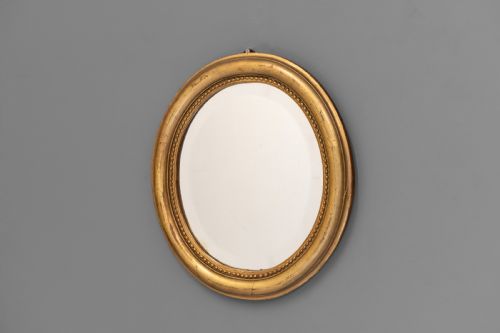
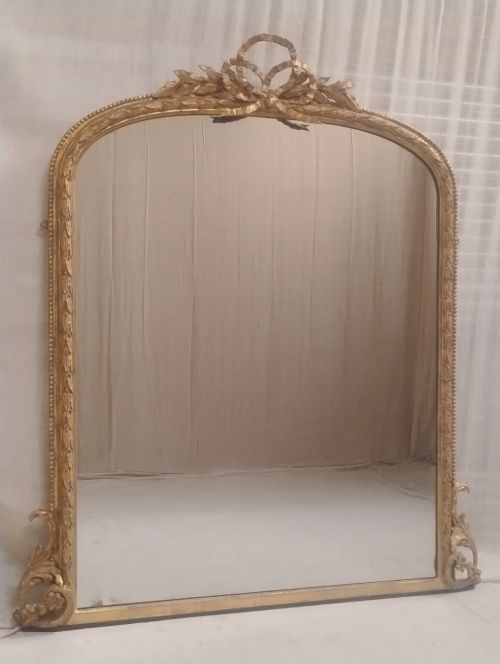
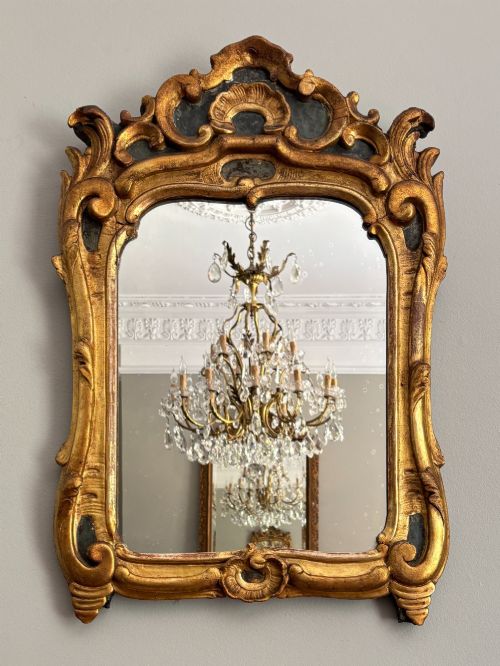
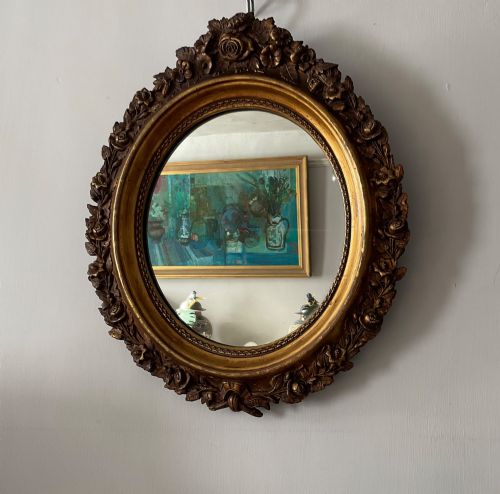
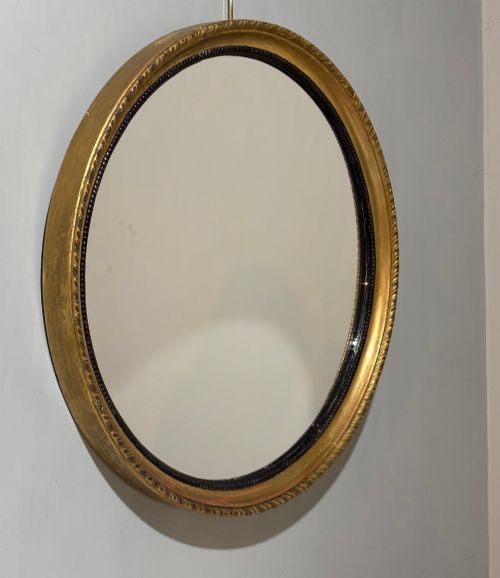
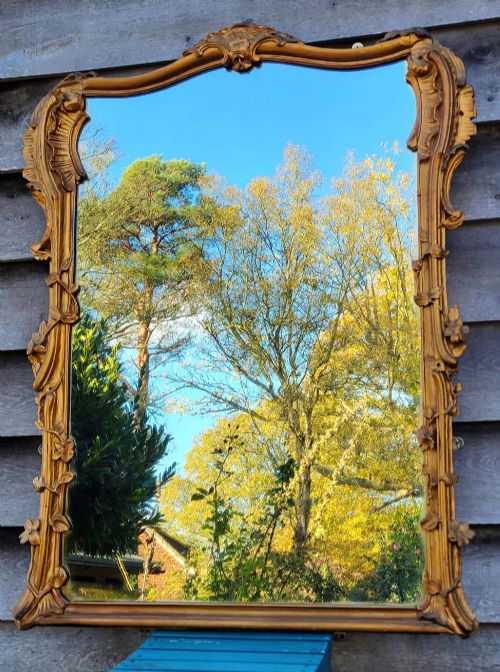
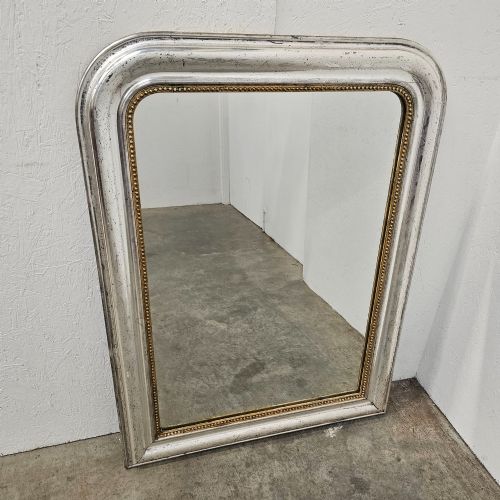
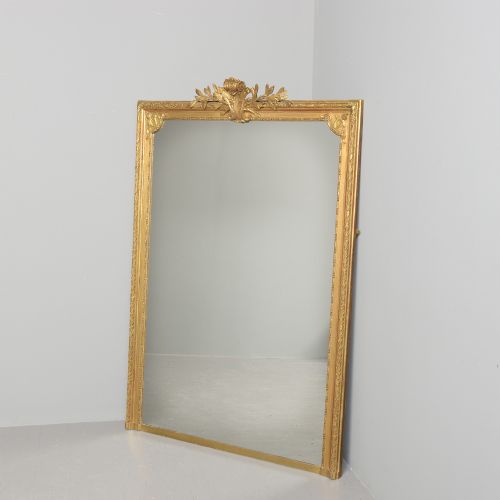
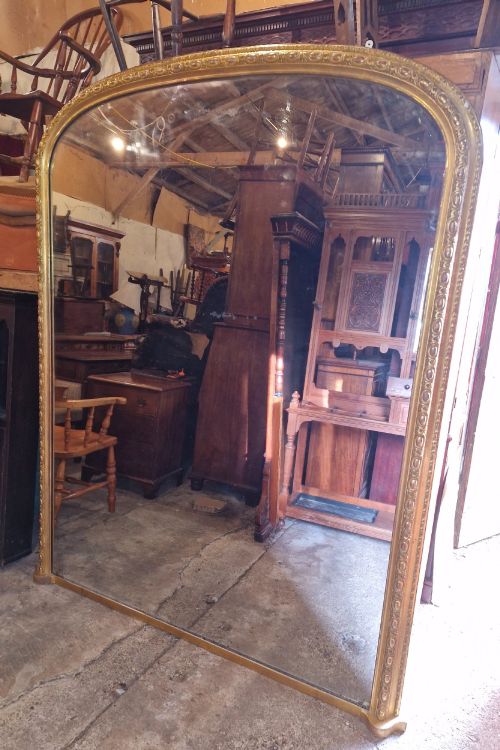
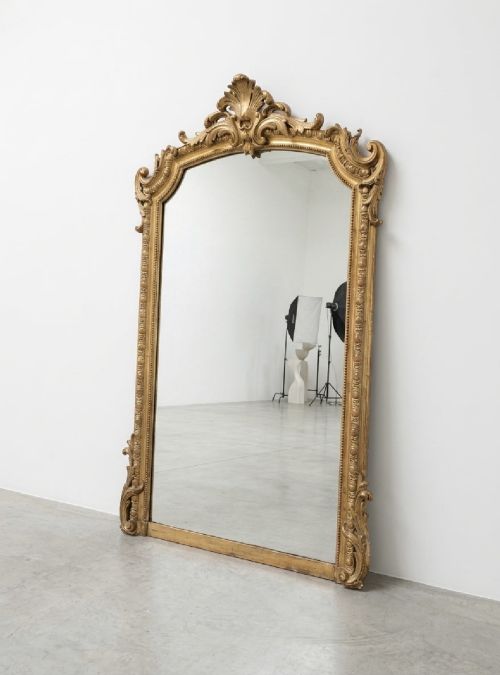
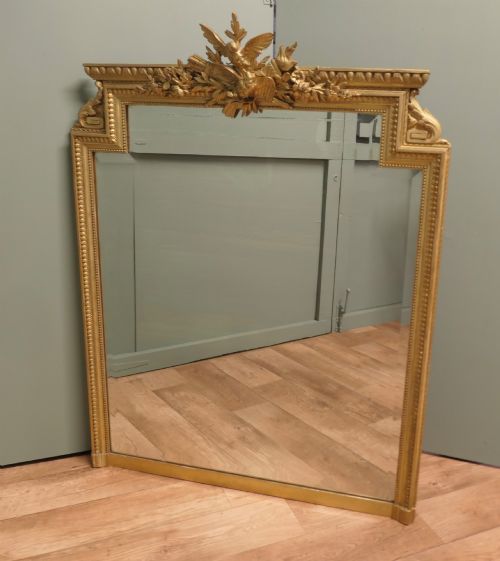
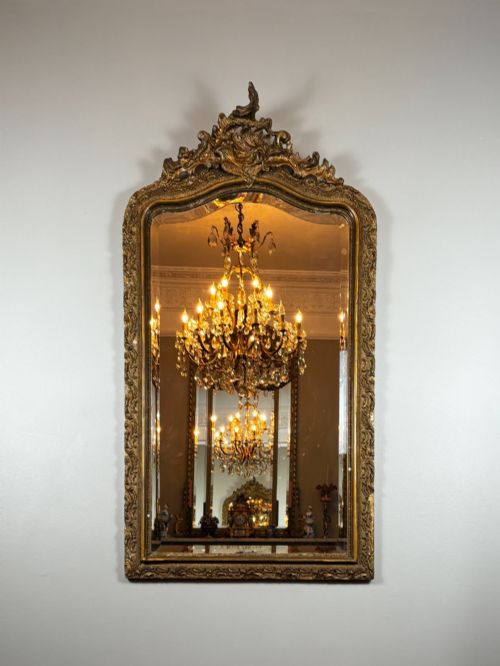
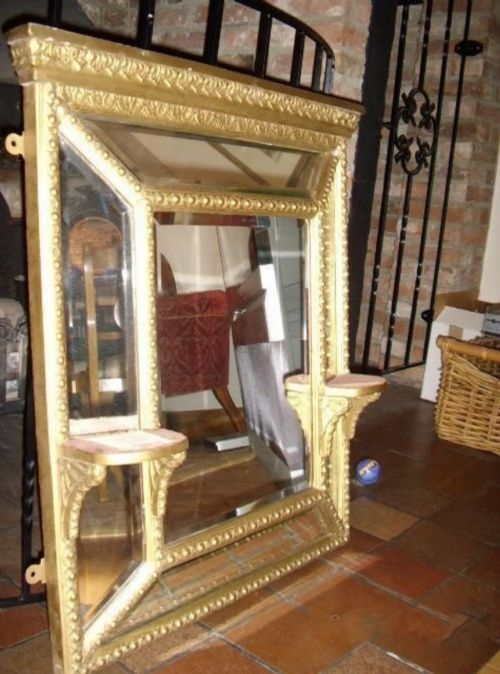
A gilded framing mirror is a reflective glass panel set within a decorative gold-finished frame, designed to hang upon a wall or rest above a fireplace mantel. When you search for a gilded framing mirror, you encounter pieces spanning from the Georgian and Regency eras through the Victorian period and into the early twentieth century. Overmantel mirrors and large wall mirrors dominate the selection, often carrying ornate crests, arched tops, or neoclassical details.
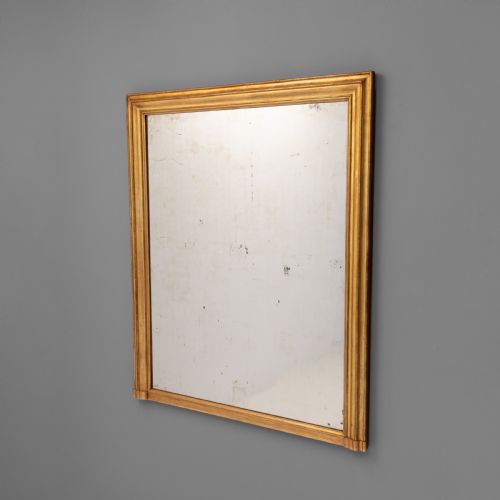
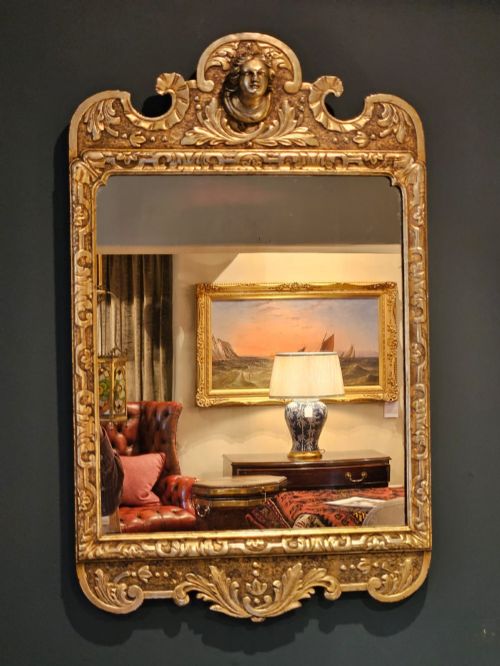
French and English origins shape the majority of these pieces, bringing styles such as Louis Philippe, Rococo Revival, and Florentine to the selection. You will frequently find substantial overmantel formats alongside smaller oval and rectangular wall mirrors, executed in various historic revival idioms. The assortment ranges from restrained parcel-gilt mahogany frames to massive, elaborately carved giltwood creations.
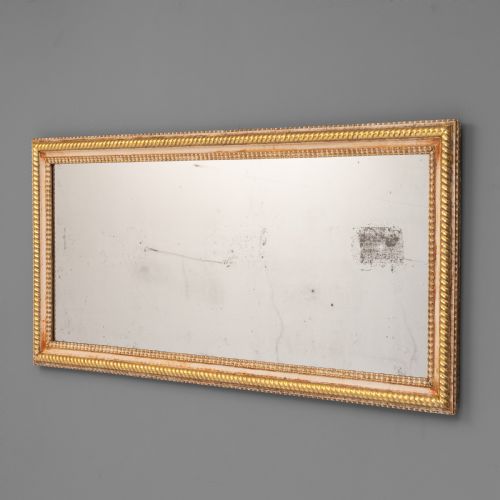
The underlying woodwork and gesso take many forms, from simple rectangular mouldings to rope-twist frames and pastoral trumeau panels complete with oil paintings. These mirrors served as focal points in period drawing rooms and parlours, designed to amplify natural daylight from windows and reflect the glow of candlelight or gas lamps.
Materials and construction
Makers constructed these frames primarily from carved wood or wood composition, applying layers of gesso to build up intricate relief ornaments such as scrolls, leaves, and beaded details. Artisans then applied gold leaf or water gilt surfaces over the preparation layers, burnishing the metal to achieve a brilliant metallic sheen. Some pieces utilise parcel-gilt techniques, where selective gilding highlights carved details against a darker wood grain like burr walnut or mahogany.
The glazing typically involves heavy mirror glass, occasionally retaining original mercury silvering that exhibits characteristic foxing and spotting over time. Frames designated as water gilt rely on traditional sizing and Armenian bole, allowing the artisan to polish the gold leaf to a mirror-like finish using an agate stone. Composition mouldings applied over wooden carcasses offer another common method for achieving deep, repeating ornamentation without carving every motif by hand.
Gilded Framing Mirror Retail Price Guide 2026
Typical asking prices for gilded framing mirror among the pieces listed under this phrase on Sellingantiques today, from the lower quarter to the upper quarter. They describe what is for sale here now, not the wider market.
Some French trumeau mirrors hide pastoral oil paintings within their frames, letting you inspect rural landscapes while checking your reflection.
Assessing quality
Quality in these pieces rests upon the crispness of the carving and the depth of the gilding technique rather than mere decorative complexity. Hand-carved giltwood with genuine gold leaf displays subtle tool marks and a warm, layered luminescence that distinguishes it from flat, uniform modern metallic paints or degraded composition mouldings. The integrity of the original joints and the weight of the timber frame indicate the structural care taken during manufacture.
The character of the glass also contributes to the overall merit of the object, particularly when original silvering or bevelled edges remain intact. Superior examples maintain well-balanced proportions between the mirror plate and the surrounding frame, ensuring the decorative crest or border complements rather than overpowers the reflective surface.
Arsène Rochette of Versailles
The Gilded Framing Mirror Glossary
- Giltwood
- Wood that has been coated with gold leaf or gold powder. This traditional finish provides a warm metallic lustre that ages gracefully over the centuries.
- Gesso
- A mixture of gypsum, chalk, and glue binder applied to a wooden frame. Artisans use this smooth ground layer to carve intricate decorative reliefs before applying gold leaf.
- Overmantel mirror
- A large mirror specifically proportioned to hang on the wall directly above a fireplace mantel. These pieces often feature extended horizontal dimensions or grand arched crests.
- Trumeau mirror
- A decorative wall mirror paired with an oil painting or carved panel incorporated into the upper section of the frame. Originating in France, these pieces functioned as permanent architectural fixtures.
- Water gilding
- A traditional technique where gold leaf is laid over wet bole and subsequently burnished to a high shine. It represents the highest standard of historic gilding craftsmanship.
- Foxing
- The natural degradation of a mirror's reflective backing resulting in dark spots and mottled patches. Many collectors prize this authentic sign of age on antique glass.
Gilded Framing Mirror: Frequently Asked Questions
Can I clean the original glass without damaging it?
Clean original antique mirror glass gently using a soft microfibre cloth and a minimal amount of distilled water or mild glass cleaner. Avoid spraying liquid directly onto the glass, as moisture can seep behind the edges and accelerate the deterioration of old silvering.
Keep moisture entirely away from the gilded frame, as water will soften the underlying gesso and cause the gold leaf to flake off. Dust the carved ornamentation softly with a dry, feather duster instead.
What is the difference between water gilding and oil gilding?
Water gilding relies on a water-based size over Armenian bole, permitting the artisan to burnish the gold leaf to a brilliant, reflective shine using an agate stone. This method appears on finer antique frames and allows for repairs that blend seamlessly with the original surface.
Oil gilding uses an oil-based size to adhere the metal leaf, resulting in a matte finish that cannot be burnished to the same high gloss. This technique proved more durable for exterior use or simpler domestic furniture.
How do I tell an 19th-century mirror from a later reproduction?
Examine the construction of the wooden backboards, frame joints, and the composition of the gesso relief work for signs of age. Eighteenth and nineteenth-century pieces often exhibit hand-cut fixings, shrinkage cracks in the gesso, and variations in the gold leaf application.
Inspect the mirror plate itself for bevels worked by hand, slight distortions in the reflection, or authentic foxing in the silvering. Modern reproductions frequently utilise uniform machine-rolled glass and synthetic finishes that lack the depth of historic pieces.