






Gilded Decorative Panel
A gilded decorative panel brings instant architectural gravity and light to a dark room.
Gilded Decorative Panel
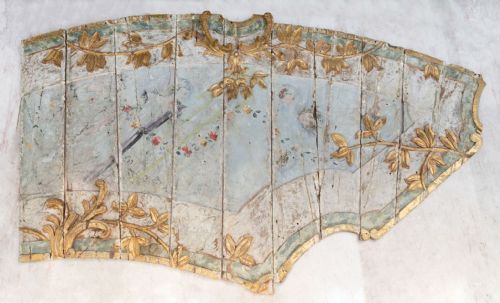
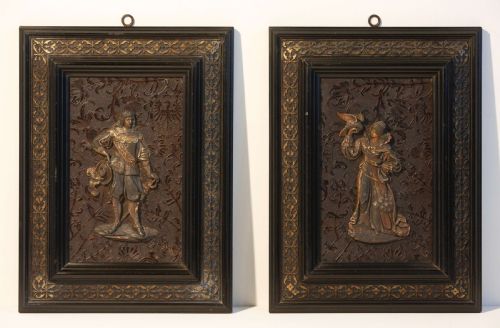
When you search for a gilded decorative panel, you encounter an eclectic mix of architectural salvage, trumeau mirrors, folding screens, and inset panels spanning the eighteenth and nineteenth centuries. These pieces function primarily to draw the eye and reflect light, often incorporating carved woodwork, painted scenes, or embossed leather.
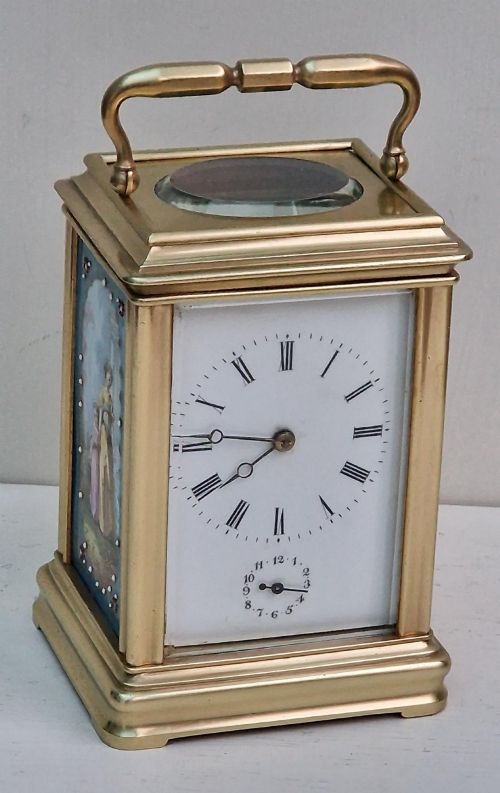
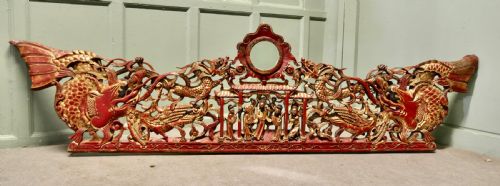
The version you are most likely to meet on this page is a French nineteenth-century trumeau mirror or wall panel, frequently finished in giltwood or gesso and designed to sit above a mantelpiece or anchor a principal reception room. Alongside these mirrors, the inventory captures smaller porcelain and enamel panels set into carriage clocks, temple pediments, and folding screens.
Originating largely from English, French, and Italian workshops, these items reflect enduring revivals of Baroque, Rococo, and Louis XVI styles. Whether working with an entire architectural fragment or a smaller porcelain plaque, each object relies on surface gilding to achieve its decorative impact.
How they were made
Makers built these panels using solid timber substrates such as walnut, pine, or specialist lacquered woods, upon which they laid grounds of gesso to receive gold leaf or liquid gilding. Skilled artisans applied thin metal leaves by hand, burnishing the surface to achieve varied sheens across raised reliefs and flat borders.
Many items incorporate subsidiary materials like reverse-painted glass, hand-painted porcelain plaques, and embossed Cordoban leather. Bronze, brass, or ormolu mounts and white metal reliefs frequently frame these central panels, secured with traditional joinery and brass pins.
Gilded Decorative Panel Retail Price Guide 2026
Typical asking prices for gilded decorative panel among the pieces listed under this phrase on Sellingantiques today, from the lower quarter to the upper quarter. They describe what is for sale here now, not the wider market.
Listings span the eighteenth, nineteenth, and early twentieth centuries, featuring materials such as giltwood, porcelain, glass, and embossed leather.
What varies in quality
The distinction between ordinary and exceptional pieces lies in the depth and crispness of the hand-carved detail within the gesso and woodwork. Superior panels display finely modelled relief work where motifs such as foliage, cherubs, or architectural scrolls retain sharp definition beneath the gold leaf.
Quality also depends on the integrity of the integrated artistic elements, whether that means a finely executed hand-painted porcelain plaque, a well-preserved verre églomisé glass panel, or untouched original gilding. Panels that retain their original inset screens, mirrors, or painted surfaces command greater attention than those with later replacements.
Paul Sormani·Henri Jacot
The Gilded Decorative Panel Glossary
- Trumeau mirror
- A decorative wall mirror featuring an upper painted or carved panel set into the wood panelling above a fireplace or door.
- Gesso
- A plaster-like mixture applied to wood surfaces to create a smooth base for subsequent gilding and carving.
- Verre églomisé
- A cold decoration technique where artists apply gold or silver leaf to glass and engrave designs into the metal.
- Ormolu
- Gilded bronze used extensively for decorative mounts, clock cases, and hardware during the eighteenth and nineteenth centuries.
- Cordoban leather
- Heavy leather decorated with hand-painting, embossing, and gilding, traditionally used for wall hangings and folding screens.
Gilded Decorative Panel: Frequently Asked Questions
Where should I hang a trumeau mirror?
These large architectural panels find their natural home above a fireplace mantel or as a focal point on a principal drawing room wall.
Ensure the wall construction can support the weight of the timber frame and glass plate before mounting.
What is the difference between giltwood and ormolu?
Giltwood refers to carved timber surfaces coated in thin gold leaf, whereas ormolu describes cast bronze finished with a mercury gilding process.
Both materials appear frequently together on nineteenth-century French mirrors and decorative clocks.
Are folding screens sturdy enough for daily use?
Antique screens constructed from leather, canvas, or lacquer panels serve best as static room dividers rather than items for frequent repositioning.
Handle the hinges with care and keep them away from direct sunlight to preserve the painted and gilded panels.