




Gilded Convex Glass
Gilded convex glass pieces combine curved optical mirrors and luminous metal frames to brighten grand interiors.
Gilded Convex Glass
When you search for gilded convex glass, you encounter objects designed to manipulate light and space within domestic interiors. The selection spans distinct periods including the Regency era, the Victorian epoch, and the early twentieth century.
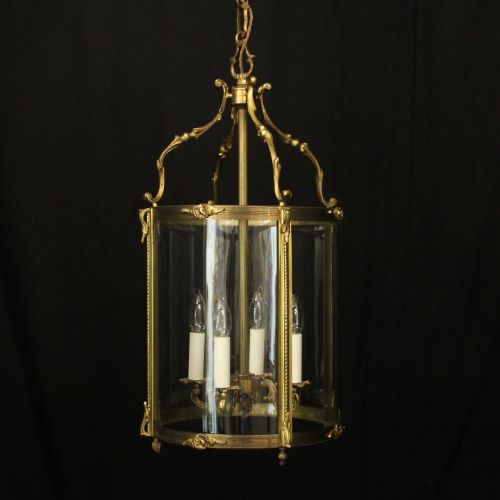
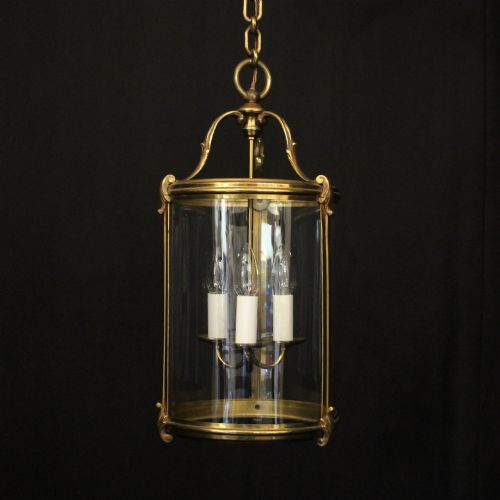
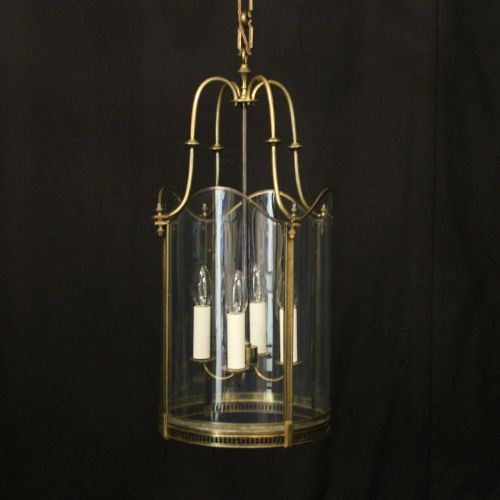
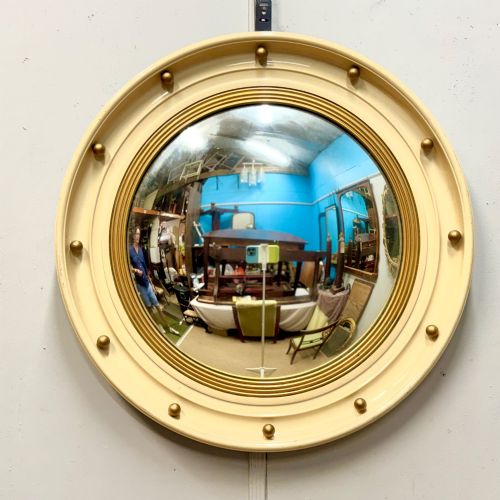
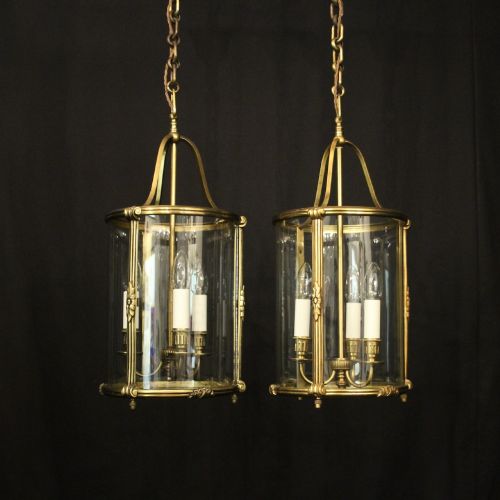
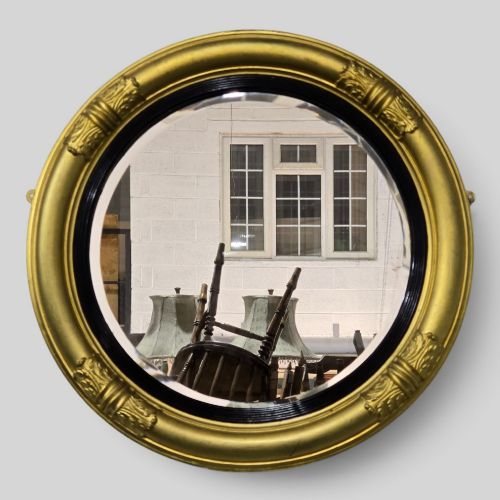
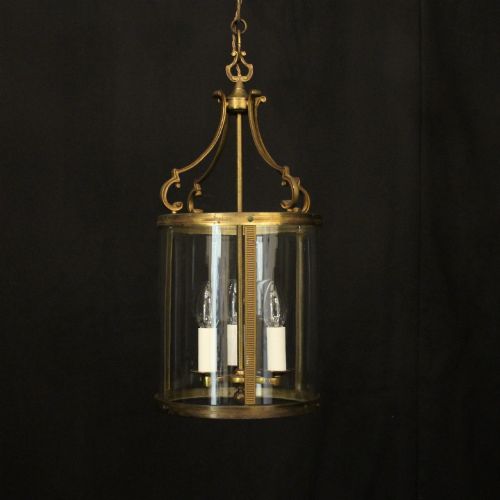
The most frequent forms met on this page are French hall lanterns and round wall mirrors. These items utilise curved lenses and polished metal mounts to reflect surrounding architectural details.
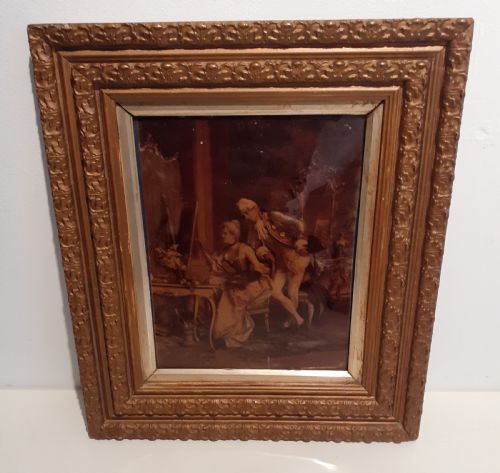
Beyond mirrors and lighting, the listings include framed prints and crystoleoms that incorporate similar decorative framing techniques. Each piece demonstrates how historical makers applied reflective surfaces to alter visual perspectives.
Materials and construction methods
Makers shaped sheet glass into pronounced, outward-curving lenses that create wide-angle reflections of a room. These convex glasses were then set into robust frames constructed from wood, bronze, or brass.
Surface decoration relies heavily on applied metal leaf or metallic paint to achieve a brilliant finish. Ebonised wood and painted details frequently provide contrast against the bright gilt surfaces of the frames.
Gilded Convex Glass Retail Price Guide 2026
Typical asking prices for gilded convex glass among the pieces listed under this phrase on Sellingantiques today, from the lower quarter to the upper quarter. They describe what is for sale here now, not the wider market.
Listings for gilded convex glass span the nineteenth and twentieth centuries, incorporating Regency, Victorian, and Edwardian examples alongside French hall lanterns.
Distinctions in quality
Quality reveals itself in the depth of the casting and the crispness of the carved details on the frame. Finer examples exhibit hand-chased bronze mounts or carefully moulded gesso ornamentation rather than flat, simplified moulding.
The clarity and integrity of the curved glass lens also separate standard items from superior pieces. Older convex glass often displays subtle ripples and historical imperfections that distinguish genuine period manufacture from later replacements.
The Gilded Convex Glass Glossary
- Convex glass
- A curved glass lens that bulges outward towards the viewer. This form captures a wide panoramic reflection of the surrounding space.
- Giltwood
- Timber carved and coated with a thin layer of gold leaf or metallic powder. It provides a durable and reflective surface for antique frames.
- Crystoleum
- A Victorian method of applying a hand-coloured print to glass and rendering it transparent. The reverse is then painted to create a layered, luminous image.
- Regency
- A British design period spanning the early nineteenth century. Characterised by classical revival motifs and bold circular mirror forms.
Gilded Convex Glass: Frequently Asked Questions
What is a convex mirror used for?
Convex mirrors were traditionally placed in grand reception rooms to monitor activity across a wide space. Their curved glass gathers light from multiple angles, effectively brightening darker corners of a room.
Today, they serve primarily as striking focal points that add depth and theatrical perspective to interior walls.
How do I identify a Regency convex mirror?
Regency mirrors typically feature heavy round frames adorned with reeded details, ebonised sight edges, or applied balls. The glass is set deeply within the moulding to create a distinct optical boundary.
Examining the construction methods and the wear on the gilt surface helps confirm the period origins of these items.
What are French hall lanterns?
French hall lanterns are hanging light fixtures enclosed by glazed panels and metal frameworks. They were designed to illuminate entranceways and stairwells in large townhouses and chateaux.
These fixtures often incorporate multiple internal light sources and elaborate bronze or gilt brass mounts.
How should I care for gilded frames?
Gilt surfaces require gentle maintenance to preserve the delicate metal leaf layers. Dusting should be performed softly with a dry, non-abrasive cloth without applying chemical cleaning solutions.
Keeping these pieces away from direct sunlight and excessive moisture prevents the underlying wood and gesso from degrading.