




Gilded China Vessel
A gilded china vessel brings the lustre of gold leaf and enamel to fine porcelain forms, offering collectors a striking display piece for the home.
Gilded China Vessel
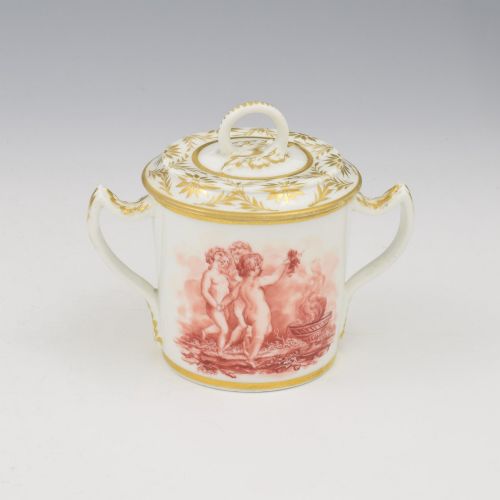
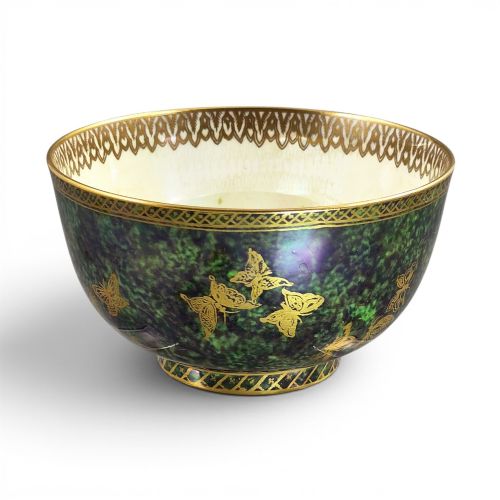
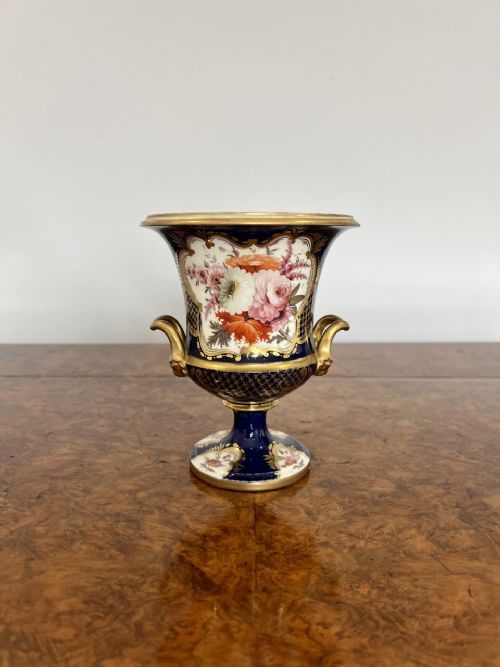
A gilded china vessel encompasses a variety of ceramic forms, ranging from decorative vases and urns to bowls and chocolate cups, all united by the presence of gold decoration. When exploring a gilded china vessel on this page, buyers frequently encounter pieces from the Georgian, Edwardian, and nineteenth-century periods, alongside later twentieth-century examples.
The objects take diverse shapes, including ovoid vases, potpourri jars, loving cups, and octagonal bowls. Traditional English porcelain, Imari styles, and neoclassical designs dominate the selections, demonstrating the wide range of historic manufacturing traditions.
Materials and methods
The manufacture of these ceramics relies on fine porcelain and bone china bodies, shaped into vessels before receiving applied glazes. Artisans then embellish the surface using gold leaf, gilding, and colourful enamel pigments to create intricate patterns and pictorial scenes.
Many items feature hand-painted details executed by skilled ceramic artists, requiring careful kiln firing to bond the metals and pigments permanently to the glaze.
Gilded China Vessel Retail Price Guide 2026
Typical asking prices for gilded china vessel among the pieces listed under this phrase on Sellingantiques today, from the lower quarter to the upper quarter. They describe what is for sale here now, not the wider market.
Object forms span standard vases, ginger jars, loving cups, chocolate cups with covers, and decorative bowls decorated with hand-painted animal, fruit, and scenic motifs.
Distinctions in quality
The standard of a gilded china vessel depends heavily on the precision of the hand-painting and the complexity of the gilding. Pieces featuring detailed pictorial scenes or elaborate transfer and gold work by notable factories represent the upper tier of the range.
The crispness of the porcelain moulding and the preservation of the original gold leaf and enamel over decades or centuries also determine the overall desirability of the object.
Bloor Derby·Wedgwood·Royal Crown Derby·Royal Doulton·Royal Worcester·Mason Ironstone
The Gilded China Vessel Glossary
- Bone china
- A type of soft-paste porcelain that incorporates bone ash, producing a strong, highly translucent ceramic body.
- Gilding
- The application of gold leaf or powdered gold to the surface of a ceramic vessel to create decorative accents and borders.
- Imari
- A decorative style characterised by rich underglaze blue and iron-red enamel highlights, often heavily enriched with gold.
- Potpourri
- A jar or vase with a pierced cover designed to hold dried scented plant materials for perfuming a room.
- Lustre
- A type of ceramic glaze that imparts a metallic or iridescent sheen to the surface of the piece.
Gilded China Vessel: Frequently Asked Questions
Are these vessels suitable for holding fresh flowers?
Most antique and vintage vessels are best kept as decorative display items rather than functional vases. Moisture and mineral deposits from water can seep into historic glazes or damage internal unglazed areas.
If you do choose to use a vase for flowers, place a small, hidden glass or plastic liner inside rather than pouring water directly into the antique ceramic body.
How can I tell the period of a piece?
Examine the base for factory backstamps, impressed marks, and pattern numbers that correspond to known historic production dates. Stylistic clues such as neoclassical shapes or Edwardian Imari patterns also help narrow down the era of manufacture.
Comparing the painting style and the colour palette to documented works by specific ceramic artists provides further confirmation of the likely period.
Where should I display my vessel?
Position the piece in a stable location away from direct sunlight, which can fade delicate enamels over long periods. Enclosed cabinets or shelves with minimal risk of accidental knocks offer the safest environment for fragile porcelain.
Ensure the display area is free from extreme temperature fluctuations, which can stress historic ceramic bodies and glazes.