


Gilded Bronze Base Lamp
A gilded bronze base lamp brings warm, reflective metalwork and period character to a room, combining sculptural weight with functional illumination.
Gilded Bronze Base Lamp
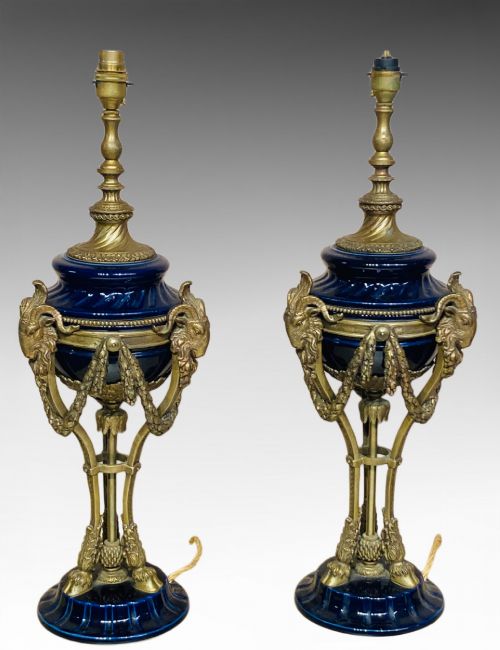
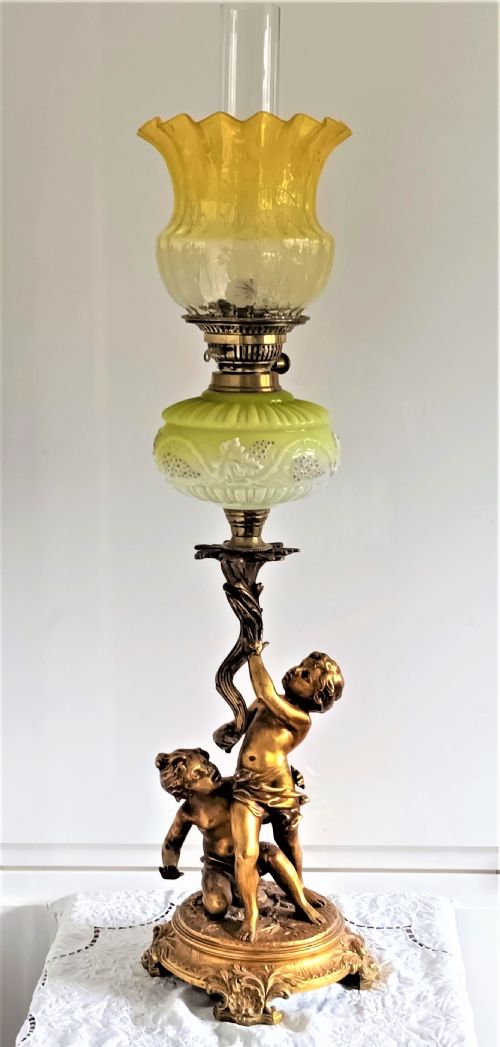
A gilded bronze base lamp uses heavy cast metal foundations, often enhanced with ormolu or gilt finishes, to create an imposing lighting fixture. These pieces frequently draw upon classical or revivalist vocabularies, ranging from French Empire designs to Victorian interpretations.
The inventory on this page shows table lamps, oil lamps, and standalone lamp bases dating from the nineteenth century into the mid-twentieth century. Buyers will encounter sculptural figural mounts, cherub motifs, and glazed ceramic or marble pairings.
Originating largely from French and English workshops, these items reflect diverse stylistic revivals including Louis XV and Louis XVI Neoclassical influences. Many pieces began as oil lamps or decorative vases before conversion for electrical use.
Materials and construction
Makers utilised cast bronze, patinated bronze, and brass as the foundational structural metals, applying mercury gilding or modern electroplating to achieve a bright golden surface. Ormolu components provide high-relief ornamental detail that contrasts against darker patinated sections.
Secondary materials such as marble plinths and glazed ceramic bodies add structural stability and colour variation to the metal mounts. Assembly typically involved threaded rods and bolted joints to secure the heavy cast elements together.
Materials recorded across the inventory include gilt bronze, ormolu, brass, marble, patinated bronze, glazed ceramic, gilt metal, and glass.
Evaluating craftsmanship and detail
The sharpness of the metal chasing separates standard production from superior examples, as finer castings retain crisp facial expressions on cherubs and distinct acanthus leaf definitions. Smooth transitions between patinated bronze and bright ormolu indicate careful finishing by the maker.
The integrity of the underlying marble or ceramic components also defines the grade of a piece, with solid stone bases and undamaged glaze showing higher original investment. Complete matching pairs demonstrate superior survival rates compared to single converted vessels.
The Gilded Bronze Base Lamp Glossary
- Ormolu
- Finely chopped high-mercury bronze gilding applied to cast brass or bronze objects. This technique creates a rich golden lustre characteristic of eighteenth and nineteenth-century decorative arts.
- Patinated bronze
- Metal treated with chemicals to produce a dark, stable surface finish. It provides visual contrast against bright gilded ormolu details.
- Louis XV Style
- An asymmetric, curved design aesthetic characterised by C-scrolls, floral motifs, and rococo exuberance. Revived frequently during the Victorian era for lighting and mantel ornaments.
- Satsuma
- Japanese earthenware featuring a crackled ivory glaze decorated with enamels and gilt. These vessels were frequently exported to Europe and later converted into lamp bases.
Gilded Bronze Base Lamp: Frequently Asked Questions
What is a gilded bronze base lamp?
A gilded bronze base lamp is a lighting fixture built upon a heavy cast metal foundation finished with gold-coloured leaf or ormolu. These pieces often incorporate sculptural elements like figures or classical architectural motifs.
They serve as both functional illumination and decorative centrepieces, drawing on historical design revivals from the nineteenth century.
How do I date a gilded bronze base lamp?
Dating relies on stylistic clues, casting techniques, and material combinations seen in the piece. Victorian and nineteenth-century examples often display heavier cast mounts and distinct revivalist detailing.
Changes in wiring, switches, and interior threaded components can also provide clues regarding when an oil lamp or vase was converted into an electric lamp.
Are these lamps converted from older items?
Many listed lamps began life as oil lamps, decorative vases, or sculptural mantel ornaments before receiving electrical wiring. Satsuma ceramics and nineteenth-century bronze figures are frequently adapted for modern use.
Conversion is standard practice for antique lighting and preserves decorative metalwork that might otherwise lack a domestic function.
How do I clean gilded bronze?
Gilded surfaces require gentle dusting with a soft, dry brush to prevent abrasive wear on the thin metal layer. Moisture and chemical cleaners can strip or discolour fragile ormolu and patinated finishes.
Preserving the original surface texture maintains the historical integrity and visual depth of the metalwork.
What styles are common in these lamps?
French Empire, Louis XV, and Victorian revival styles dominate the available range of metal lighting bases. These aesthetics favour ornate scrolling, classical figures, and symmetrical cast ornament.
English Victorian pieces often run alongside continental French designs, reflecting nineteenth-century cross-channel trade in luxury goods.