

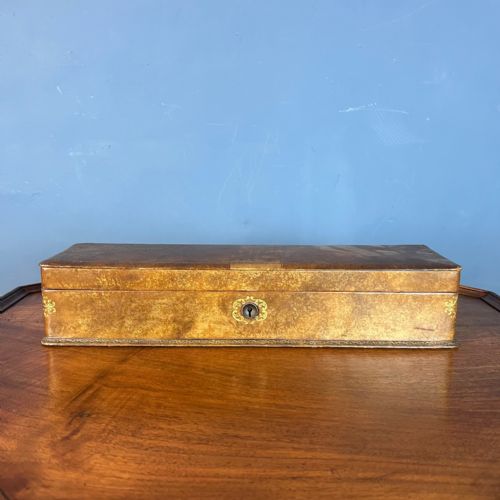


Gilded Brass Casket
A gilded brass casket is a small, ornate container prized for holding keepsakes, built from copper alloys with a lustrous gold surface.
Gilded Brass Casket
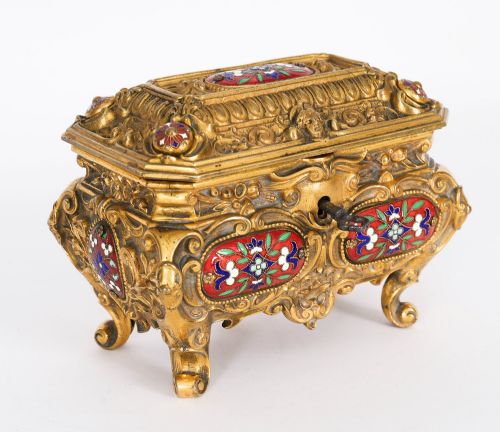
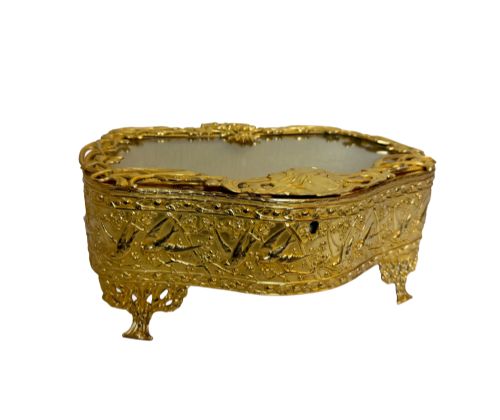
The versions most commonly met on this page demonstrate influences from Victorian, Rococo Revival, French Belle Epoque, and Art Nouveau aesthetics. Makers combined brass, gilt metal, ormolu, and glass to produce receptacles intended for the dressing table or writing desk.
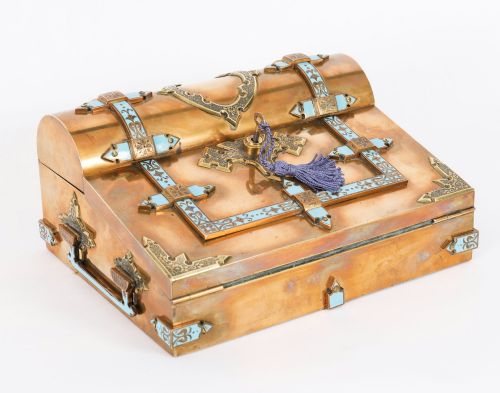
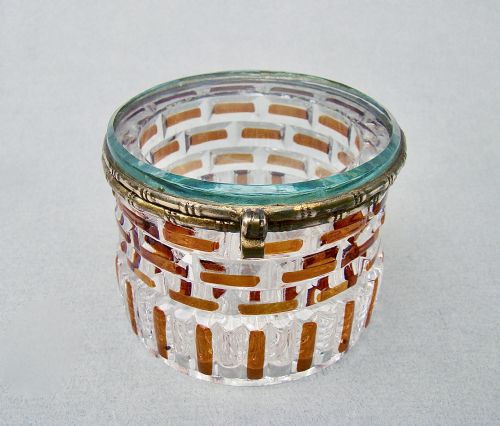
Forms range from compact boxes to larger caskets with panels of enamel, amber glass, or clear glass. Their construction reflects the decorative tastes of the nineteenth century, encompassing European and British workshop traditions.
How they were made
Makers utilised brass, gilt metal, ormolu, and gilt bronze as foundational frameworks, often casting the metal in ornate relief and applying a golden surface finish. This technique created the reflective exterior characteristic of the style.
Many examples incorporate glass, enamel, wood, or leather elements fitted directly into the metal armature. Electro-forming and hand-chasing allowed artisans to achieve intricate surface decoration across panels and lids.
Gilded Brass Casket Retail Price Guide 2026
Typical asking prices for gilded brass casket among the pieces listed under this phrase on Sellingantiques today, from the lower quarter to the upper quarter. They describe what is for sale here now, not the wider market.
Listings feature materials such as brass, gilt metal, ormolu, glass, gilt bronze, wood, and enamel across the nineteenth century.
What varies in quality
Quality rests primarily in the crispness of the cast metal relief and the precision with which decorative panels of glass or enamel are integrated into the frame. Finer examples display deeper hand-chasing and heavier gauge materials that lend substantial weight to the piece.
The execution of interior linings and the tightness of hinge fittings distinguish workshop output. Pieces with intact gilding and well-preserved structural joins represent the upper tier of surviving examples.
The Gilded Brass Casket Glossary
- Ormolu
- Gilded bronze or brass applied to decorative objects, created by spreading an amalgam of gold over copper or brass and heating it to drive off the mercury. This technique produces a durable golden finish.
- Gilt Metal
- Base metal treated with a thin layer of gold leaf or liquid gold paint to simulate solid precious metal. It offers the visual appearance of gold at a lower production cost.
- Writing Slope
- A desk accessory featuring a sloping lid designed to provide a comfortable writing surface, often fitted with compartments for ink and pens inside. These boxes open to reveal lined interiors.
- Electro-form
- An object formed or coated by the deposition of metal via an electrolytic process, which allowed nineteenth-century makers to produce complex, thin-walled shapes. This method captured fine detail from an original model.
Gilded Brass Casket: Frequently Asked Questions
What is a gilded brass casket?
A gilded brass casket is a small, decorative container made from brass with a gold-coloured finish, often featuring panels of glass, enamel, or intricate metal casting.
These boxes were designed to sit on dressing tables or desks to hold valuables, letters, or jewellery securely.
How were these caskets used?
Historically, owners placed these containers in private rooms or public parlours to store precious items, rings, and small documents. Some double as writing slopes or specialised trinket holders.
They served both a practical storage function and a decorative role as ornaments in period interiors.
How do I date a brass casket?
Dating relies on observing the stylistic indicators of the metalwork, such as the fluid curves of Art Nouveau or the heavy ornamentation of Victorian Gothic Revival and Rococo styles.
Materials like amber glass, cast bronze, and electro-formed copper also point towards specific decades in the nineteenth century.
How should I clean gilded brass?
Gilded surfaces require gentle dusting with a soft, dry cloth to prevent abrasion of the thin gold layer. Harsh polishes must be avoided entirely because they strip away the historic gilt.
Moisture can damage interior linings of wood, leather, or velvet, so liquid cleaners should not be used on the fabric elements.