






Gilded Bohemian Glass
Gilded bohemian glass brings together rich coloured vessels and bright metallic ornament from the nineteenth and early twentieth centuries.
Gilded Bohemian Glass
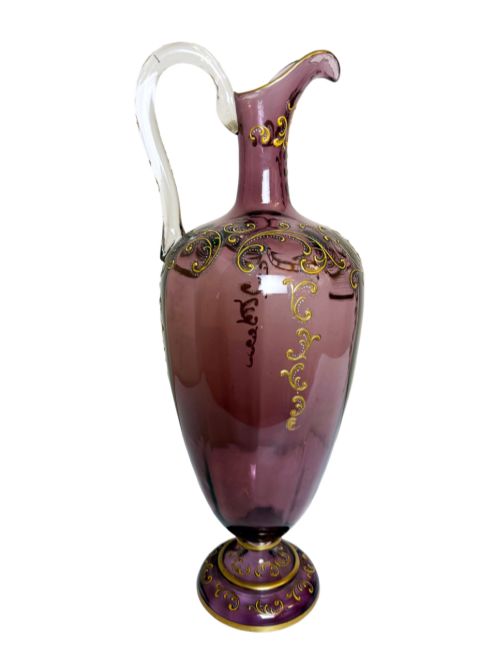
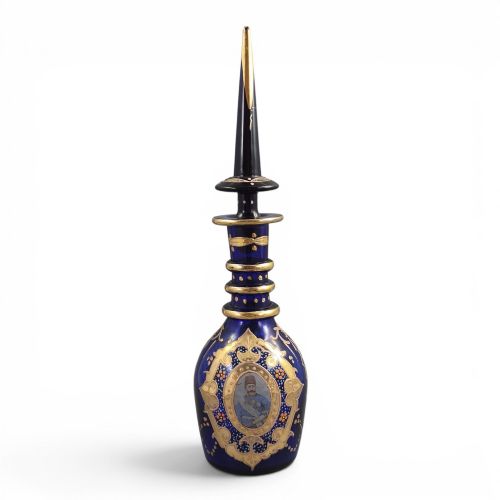
When you search for gilded bohemian glass, you encounter a varied assortment of decorative and functional vessels spanning the eighteenth to the twentieth centuries. These pieces encompass vases, decanters, goblets, and lustres created in central Europe for both domestic use and export markets.
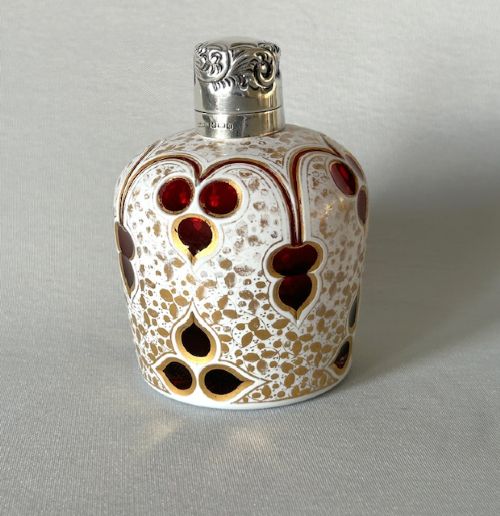
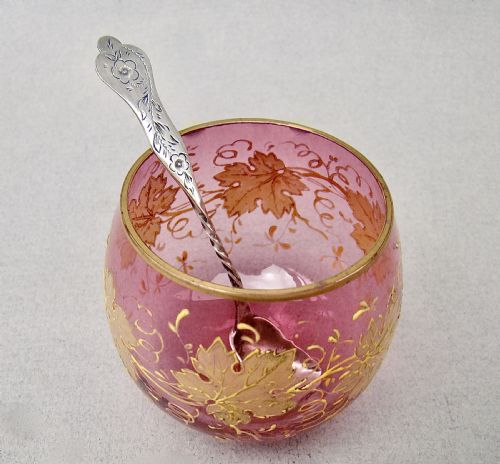
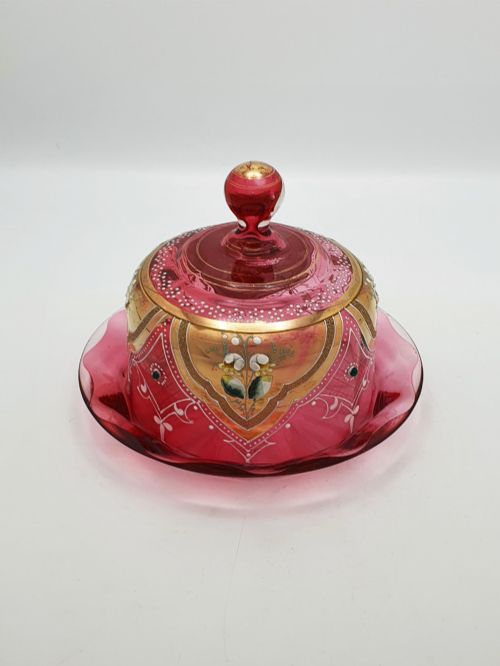
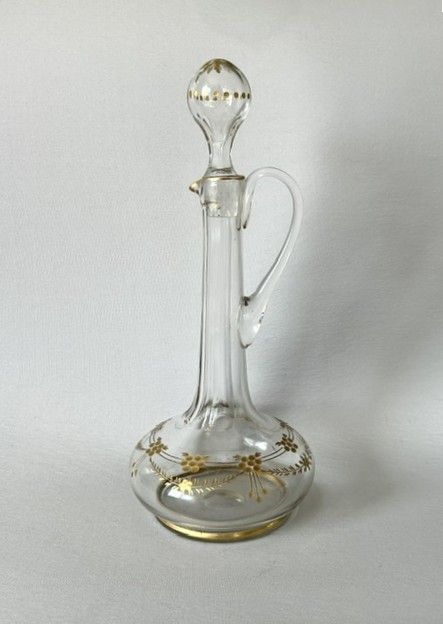
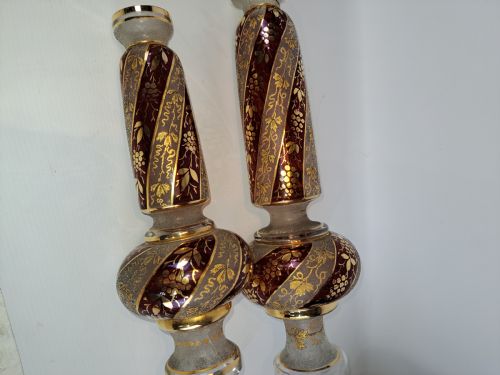
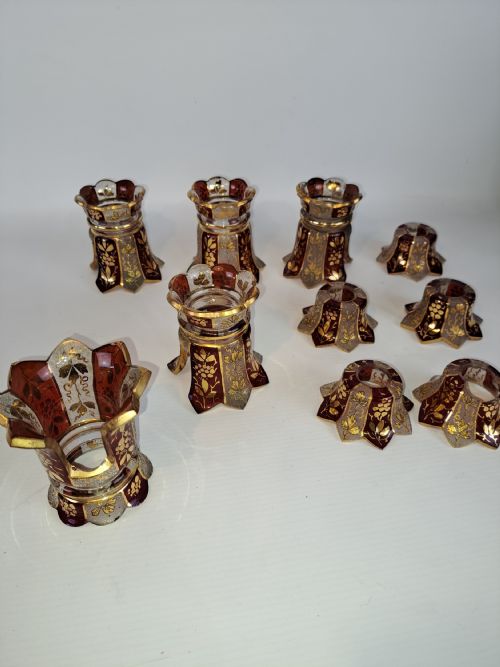
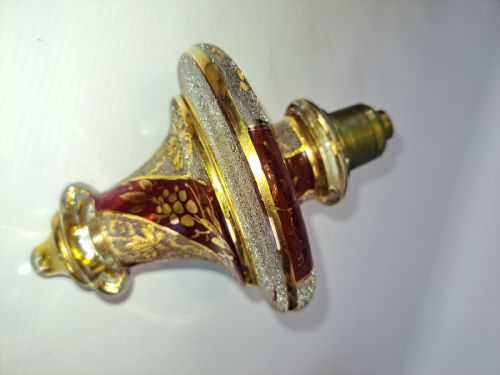
The selections on this page feature ruby, cranberry, cobalt, and green glass enriched with hand-painted gilt details and enamel work. Alongside standard tablewares and scent bottles, you will find architectural elements such as chandelier components, capitals, and stems.
How They Were Made
Maker workshops utilised blown and cut glass techniques, working with coloured glass bodies like ruby, cranberry, and cobalt. Surface decoration relied upon gold leaf and heavy gilding applied by hand, frequently paired with polychrome enamel painting and acid etching.
Many examples incorporated mountings in brass or silver, joining glass components with metalwork for decanters, scent bottles, and chandeliers. Flash-cutting methods exposed contrasting layers of white and coloured glass beneath the gilded ornamentation.
Gilded Bohemian Glass Retail Price Guide 2026
Typical asking prices for gilded bohemian glass among the pieces listed under this phrase on Sellingantiques today, from the lower quarter to the upper quarter. They describe what is for sale here now, not the wider market.
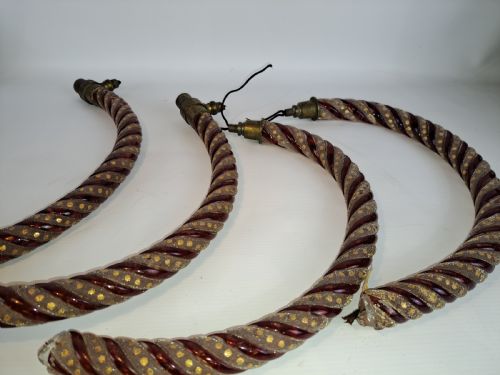
A selection of glass ganging bells proves that even nineteenth-century chandeliers were expected to chime with domestic cheer.
What Varies in Quality
The standard of execution separates workshop production, distinguishing pieces with crisp, deep wheel-engraving and substantial hand-applied gold leaf from simpler pressed or flashed wares. The density of the enamel work and the precision of the figural or floral painting indicate the skill of the maker.
Design complexity and scale influence the character of each piece, from delicate scent bottles with silver mounts to large punch bowl sets and multi-tiered chandeliers. Integrity of the gilding and the weight of the glass body mark the upper tiers of production.
Moser·Fritz Heckert·Salviati·Paul Heller
The Gilded Bohemian Glass Glossary
- Ruby glass
- A deep red glass coloured with gold chloride during production. This rich hue served as a popular background for heavy gilding.
- Lustre
- A mantel ornament featuring a central vase hung with long glass prisms. These pieces typically combine coloured glass with elaborate gilt painting.
- Cranberry glass
- A translucent pinkish-red glass created using gold oxide. It appears frequently in Victorian tableware and scent bottles.
- Flash-cut
- A technique involving a thin layer of coloured glass applied over a clear or white base glass before cutting away sections to reveal the contrast underneath.
- Enamel
- Opaque glass paste applied to the surface of a vessel and fired to create raised, colourful decorative motifs alongside gilding.
Gilded Bohemian Glass: Frequently Asked Questions
How do I identify bohemian glass?
Bohemian glass is recognised through its distinctive use of vibrant coloured metals, heavy gilding, and intricate wheel-engraving. Pieces often display traditional central European styles ranging from historicism to art nouveau.
Items span domestic tablewares, lustres, and scent bottles, frequently utilising ruby, cobalt, or cranberry glass bodies decorated with enamel highlights.
Are all pieces signed?
Many fine pieces produced by notable workshops remain unsigned, carrying only pattern numbers or retailer marks. Signature usage became more widespread towards the late nineteenth and early twentieth centuries.
Unsigned items often display the same high standard of engraving, gilding, and enamelling as documented works from major makers.
How should I clean gilded glass?
Gilded and enamelled glass requires gentle care to protect fragile surface decoration and gold leaf. Dusting with a soft, dry cloth is usually sufficient for regular maintenance.
Avoid submerging pieces in hot water or using abrasive cleaners, as harsh chemicals can damage the delicate gilt highlights and painted enamel.