





German Silver Metalwork
German silver metalwork comprises decorative objects in silver plate, silvered pewter and Britannia metal that bring distinct period craft into domestic spaces.
German Silver Metalwork
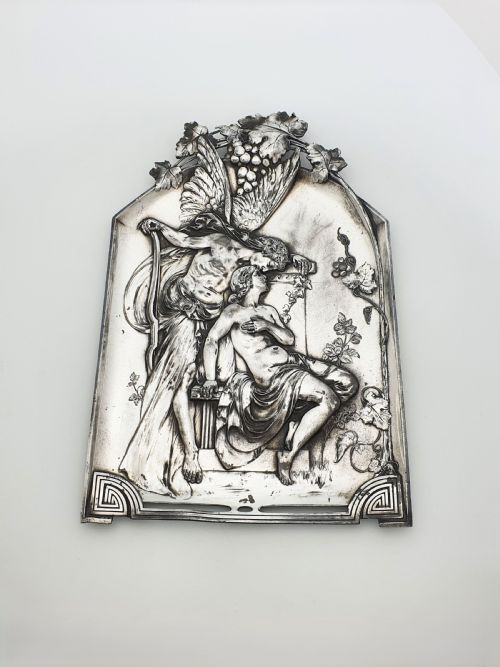
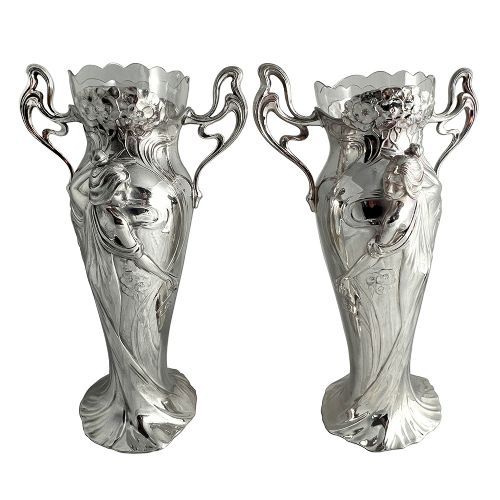
German silver metalwork centres on domestic decorative objects produced during the late nineteenth and early twentieth centuries, primarily manifesting in forms such as vases, wall plaques, candlesticks, and centrepieces. When exploring german silver metalwork on this page, a buyer encounters pieces originating from the 1890s through to the 1920s.
The dominant aesthetic across these objects is Art Nouveau, alongside later Art Deco examples. Forms frequently incorporate figural maiden motifs, botanical elements, and geometric silhouettes rendered in silver plate, pewter, and glass combinations.
The most common representations include table centrepieces, tazzas, and decanters paired with green glass or cut glass inserts. These vessels reflect the industrial and artistic output of European workshops from the turn of the century.
Materials and construction methods
The manufacture of german silver metalwork relies on base metals such as pewter and Britannia metal finished with silver plating or a distinct silvered surface treatment. Workshops utilised casting techniques to achieve the fluid, organic lines characteristic of the Art Nouveau style.
Many hollowware pieces and decanters integrate blown glass components, specifically green glass or cut glass, fitted directly into metal mounts. Electroplated metal techniques provided a durable finish that mirrored solid silver while allowing for intricate sculptural relief work.
German Silver Metalwork Retail Price Guide 2026
Typical asking prices for german silver metalwork among the pieces listed under this phrase on Sellingantiques today, from the lower quarter to the upper quarter. They describe what is for sale here now, not the wider market.
Listings feature items spanning the late nineteenth century through the 1920s, highlighting both Art Nouveau and Art Deco design aesthetics.
Assessing quality in the pieces
Quality in german silver metalwork is determined by the crispness of the casting and the depth of the figural relief. Superior examples maintain intact silvered surfaces and retain their original glass liners without replacement.
The sophistication of the design execution separates standard production items from masterworks. Pieces featuring complex figural elements, such as maiden figures integrated into candlesticks or card trays, demonstrate higher artisan input.
WMF
The German Silver Metalwork Glossary
- Silver Plate
- A base metal coated with a thin layer of silver through electroplating or chemical processes. This technique provided an affordable alternative to solid silver for domestic decorative items.
- Britannia Metal
- A tin-based alloy used as a base metal for silver plating and hollowware production. It offers a smooth surface suitable for intricate casting and shaping.
- Silvered Pewter
- Pewter treated with a surface finish to resemble solid silver. This material is frequently found on figural plaques, vases, and candlesticks from the Art Nouveau period.
- Taza
- A shallow cup or basin raised on a stem and foot, used for display or serving. These vessels often feature decorative openwork or repoussé borders.
- Centerpiece
- A large decorative vessel placed in the middle of a table, often doubling as a flower dish. They represent some of the most elaborate metalwork forms of the period.
German Silver Metalwork: Frequently Asked Questions
How do I identify Art Nouveau pieces?
Art Nouveau german silver metalwork is characterised by asymmetrical lines, flowing floral motifs, and stylised female figures known as maiden designs.
These organic forms appear frequently on card trays, decanters, and candlesticks produced in the late nineteenth and early twentieth centuries.
Were these items used daily?
Many objects, such as tazzas, centrepieces, and decanters, served a functional purpose during formal dining and household entertaining.
Wall plaques and decorative dishes, conversely, were strictly ornamental items intended for interior display in domestic settings.
What materials were commonly combined with the metal?
Glass is the primary material paired with the metalwork, particularly green glass and cut glass inserts for decanters and flower dishes.
These combinations highlighted the contrast between translucent vessels and the metallic mounts supporting them.
How do I care for silvered pewter?
Silvered pewter requires gentle dusting and should be kept away from excessive moisture to preserve the delicate surface plating.
Harsh chemical polishes must be avoided to prevent stripping the thin silver layer from the underlying pewter base.