



German School Artwork
German school artwork comprises oil paintings on canvas and wood spanning the seventeenth to twentieth centuries, prized for historic portraiture and regional landscapes.
German School Artwork
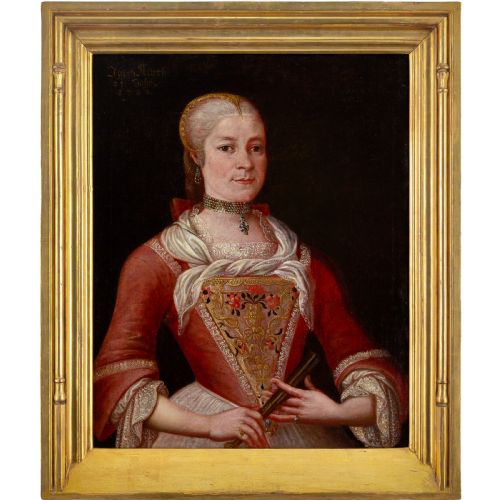
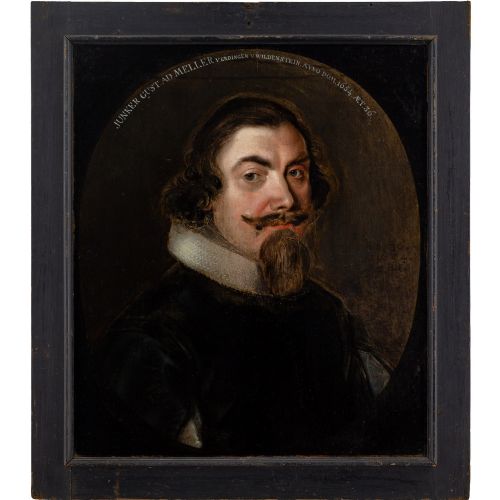
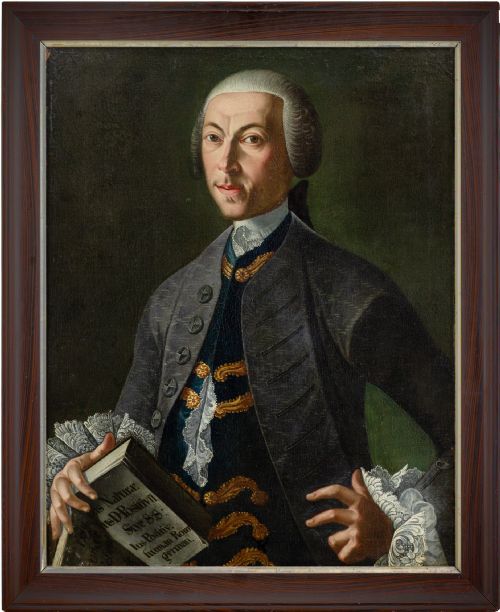
German school artwork spans several centuries of European painting, ranging from seventeenth-century portraits to twentieth-century Expressionist canvases. Buyers searching for german school artwork often encounter historical portraiture, such as depictions of merchants, aristocrats, and religious donors.
The selections on this page feature oil paintings originating from various regional traditions including Bavarian, Hessian, and Munich schools. Works extend from the Baroque and Rococo eras into nineteenth-century realism and later German Expressionism.
How they were made
Artists painted primarily using oil on canvas or wood supports, often applying oil paint in layered compositions. Surviving works frequently retain their period frames constructed from wood and finished with gold leaf or giltwood.
Techniques range from the detailed portraiture of the seventeenth and eighteenth centuries to the looser, expressive brushwork found in later twentieth-century German Expressionist pieces.
German School Artwork Retail Price Guide 2026
Typical asking prices for german school artwork among the pieces listed under this phrase on Sellingantiques today, from the lower quarter to the upper quarter. They describe what is for sale here now, not the wider market.
Listings feature oil paintings on canvas and wood spanning the seventeenth, eighteenth, nineteenth, and twentieth centuries, framed in wood and gold leaf.
What varies in quality
Quality in these paintings rests upon the precision of the brushwork, the psychological depth of portrait subjects, and the preservation of the original paint surface. Earlier portraits demonstrate meticulous attention to costume and facial detail, while later works rely on expressive gesture and atmospheric lighting.
The integrity of the canvas or wood support alongside the condition of the accompanying period frame also influences the overall standard of each piece.
Albin Mattenheimer·Johann Friedrich Voltz·Joseph Emmanuel Weiser·Geisler Munchen
The German School Artwork Glossary
- Oil on Canvas
- A painting medium where pigments suspended in oil are applied to a stretched canvas support. This technique allowed artists to achieve rich colour depths and subtle blending.
- Baroque
- An artistic style prevalent during the seventeenth and eighteenth centuries characterised by dramatic lighting and rich detail. Works from this period often display intense emotion and dynamic compositions.
- Giltwood
- Wood that has been coated with a thin layer of gold leaf or gold paint. This finish commonly appears on antique frames surrounding oil paintings.
- German Expressionism
- A twentieth-century modernist movement focused on presenting the world from a subjective perspective. Paintings in this style prioritise emotional impact over physical reality.
- Genre Painting
- Artwork depicting scenes from everyday life, ordinary people, and domestic interiors. These paintings capture social narratives and personal moments.
German School Artwork: Frequently Asked Questions
What periods do these paintings cover?
The collection spans from the seventeenth century through the eighteenth and nineteenth centuries up to the mid-twentieth century. This timeline includes seventeenth-century religious and portrait works, mid-eighteenth-century aristocratic portraits, and later expressionist pieces.
Buyers will find regional examples originating from Bavarian and Hessian traditions alongside works associated with Munich painters.
How should I care for an oil painting on wood?
Keep the artwork away from direct sunlight and maintain stable indoor humidity levels to prevent the wood support from warping or cracking. Avoid using chemical cleaners on the painted surface.
Dust the canvas or wood panel gently with a soft, dry brush and consult a professional conservator for any deep cleaning.
What subjects are most common?
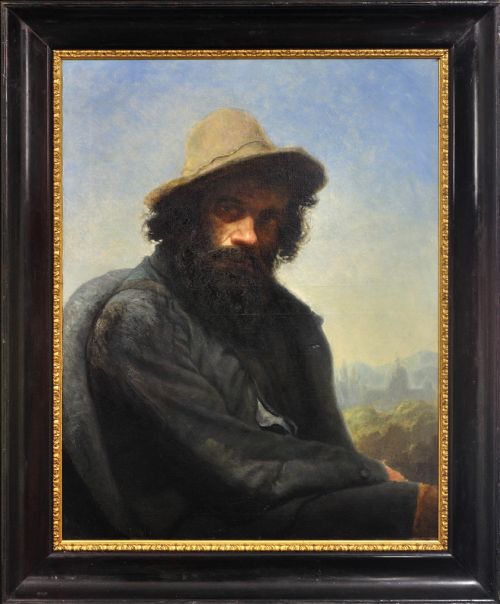
Portraiture forms a significant portion of the available artwork, depicting merchants, aristocrats, and religious donors from earlier centuries. Landscapes, mountain scenes, and genre scenes also appear among the selections.
Later works introduce twentieth-century expressionist canal views and wartime resilience themes.