



German School Art
German school art brings centuries of portraiture and landscape traditions to your walls, captured primarily in oil on canvas.
German School Art
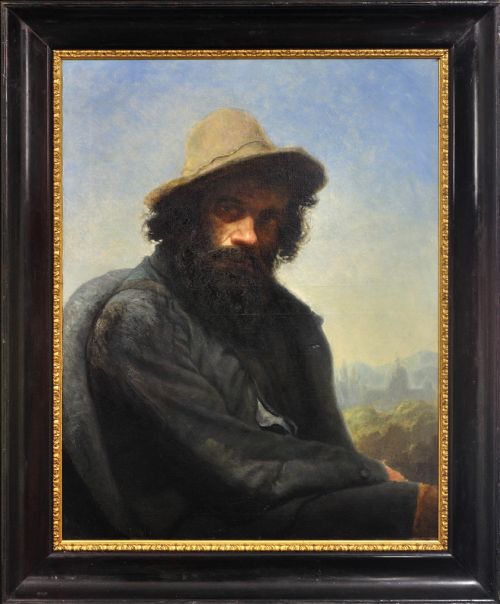
German school art encompasses centuries of oil paintings, ranging from seventeenth-century portraits of aristocrats and merchants to nineteenth-century landscapes and genre scenes. When exploring german school art, you encounter regional expressions such as Bavarian portraiture, Hessian religious works, and later Munich realisms.
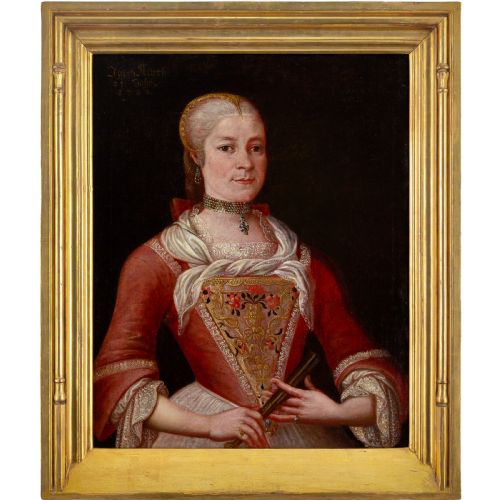
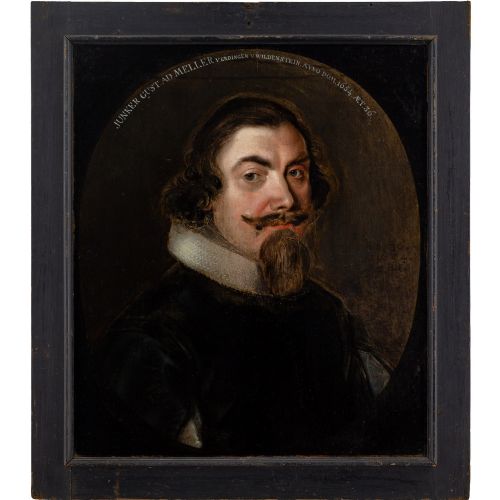
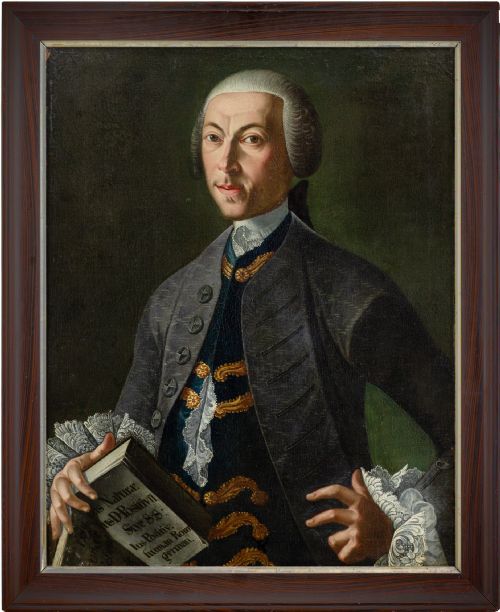
The pieces on this page lean heavily towards portraiture executed in oil paint, often housed in wood and giltwood frames. Alongside formal portraits of figures like Gustavus Adolphus Meller and Dr Johann David Wechsler, the selection extends into twentieth-century German expressionism.
Regional schools establish the context of each canvas, connecting individual painters to specific German artistic centres. Works frequently reflect the prevailing stylistic shifts from baroque and rococo sensibilities through to nineteenth-century realism and expressionist movements.
Materials and Methods
Artists painted primarily with oil on canvas, building pigment layers to achieve depth in garments, flesh tones, and background landscapes. Wooden stretchers supported the canvas while ornate wood frames, often finished with gold leaf or giltwood, completed the presentation.
Brushwork varies from the meticulous detailing found in seventeenth-century merchant and noble portraits to the looser, expressive strokes characteristic of twentieth-century expressionist canvases. Pigments applied to wood panels or primed canvases ensured longevity across centuries.
German School Art Retail Price Guide 2026
Typical asking prices for german school art among the pieces listed under this phrase on Sellingantiques today, from the lower quarter to the upper quarter. They describe what is for sale here now, not the wider market.
Subjects range from stern seventeenth-century aristocrats in heavy armour down to a lady enjoying a pinch of snuff.
Factors of Quality
Quality in these paintings rests upon the handling of light, anatomical precision, and the psychological depth captured in portrait subjects. Superior canvases demonstrate confident brushwork in complex textures like armour, lace, and elaborate hair styling.
The preservation of the original oil paint layer and the integrity of the canvas dictate the overall standard of a piece. Frame craftsmanship also contributes, with period-appropriate giltwood and carved wood frames enhancing the visual weight of the artwork.
Albin Mattenheimer·Johann Friedrich Voltz·Joseph Emmanuel Weiser·Geisler Munchen
The German School Art Glossary
- Oil on Canvas
- A painting medium where pigments bound in drying oil are applied to stretched woven fabric. This combination allows for rich colour blending and textured impasto application.
- Giltwood
- Timber that has been coated with a thin layer of gold leaf or gold powder. It provides reflective decorative framing for traditional European paintings.
- Baroque
- An artistic style prevalent from the seventeenth to mid-eighteenth century characterised by drama, tension, and grand scale. In German art, this manifests in intense portraits and religious compositions.
- Genre Painting
- The pictorial representation of scenes from everyday life, involving ordinary people in non-specialised settings. These works focus on domestic or social moments rather than grand historical narratives.
- German Expressionism
- A twentieth-century modernist movement originating in Germany that prioritised emotional experience over physical reality. Artists used distorted forms and bold colours to evoke specific psychological states.
German School Art: Frequently Asked Questions
What defines German school art?
German school art refers to paintings produced by artists trained within the German artistic tradition across various centuries. It encompasses regional styles from baroque portraiture to twentieth-century expressionism.
The category highlights works created in German-speaking regions, reflecting local cultural shifts, portraiture conventions, and landscape traditions.
How do I date an antique oil painting?
Dating relies on examining the canvas preparation, stretcher construction, costume details of portrait subjects, and stylistic clues within the brushwork. Documentation or signatures on the reverse often provide specific years.
Material analysis of the wood frame and canvas weave can further narrow down the production period to a specific century or decade.
How were these historical paintings displayed?
Historical oil paintings were traditionally housed in heavy wooden frames, often gilded with gold leaf to catch candlelight in domestic or institutional interiors. Portraits of ancestors and merchants served to project status and lineage.
Landscape and genre scenes decorated parlours and studies, reflecting the personal tastes and social standing of the owners.
How should I care for an antique oil painting?
Antique oil paintings require stable indoor humidity and temperature levels to prevent canvas slackening and wood frame warping. Direct sunlight should be avoided to protect pigment integrity.
Dusting should be performed gently with a dry, soft brush, avoiding any moisture or chemical cleaning solutions on the paint surface.