



German Portrait Oil Painting
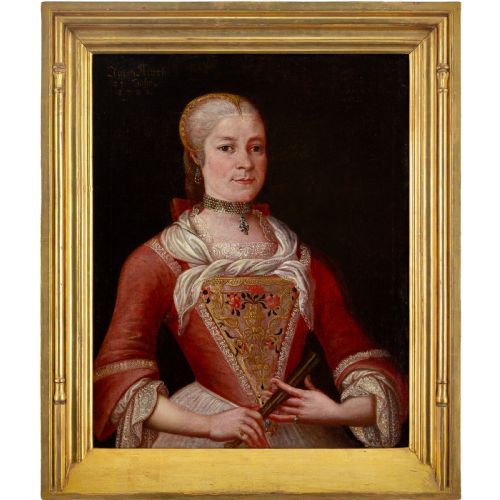
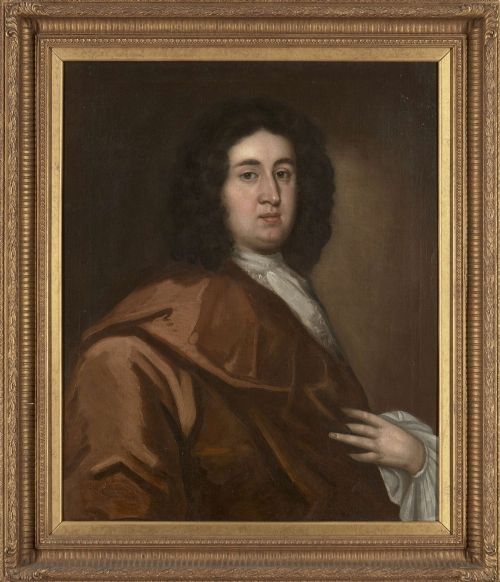
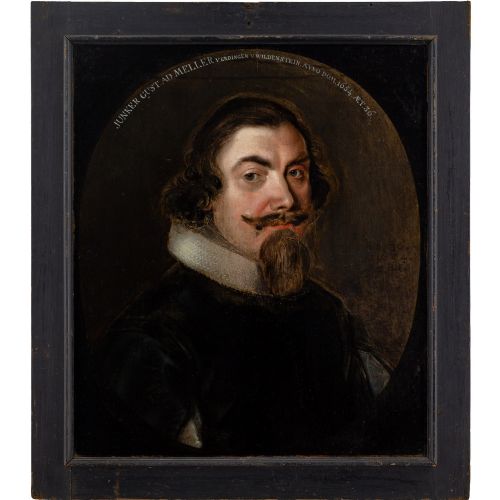
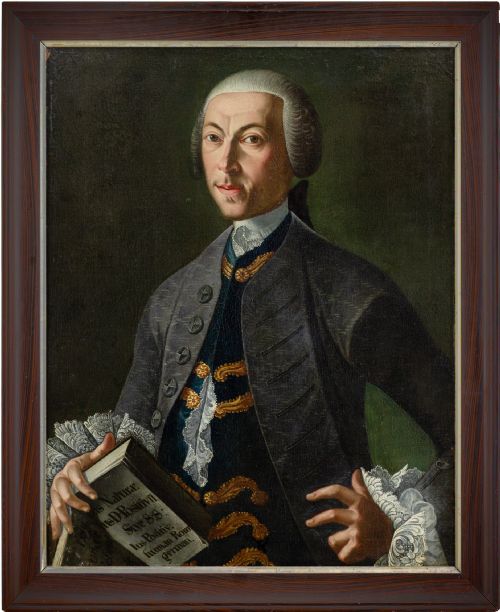
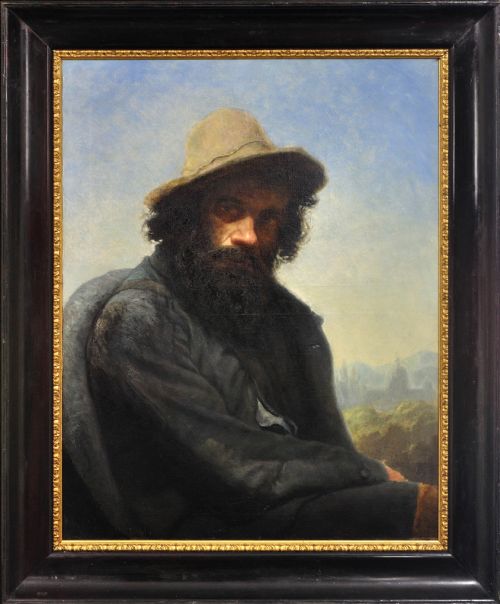
When buying a german portrait oil painting, you secure a historical likeness on canvas or wood, ranging from severe 17th-century merchants to 19th-century realists.
German Portrait Oil Painting
A german portrait oil painting captures subjects ranging from aristocratic ladies and military officers to ordinary citizens and children, often rendered by regional schools or named artists.
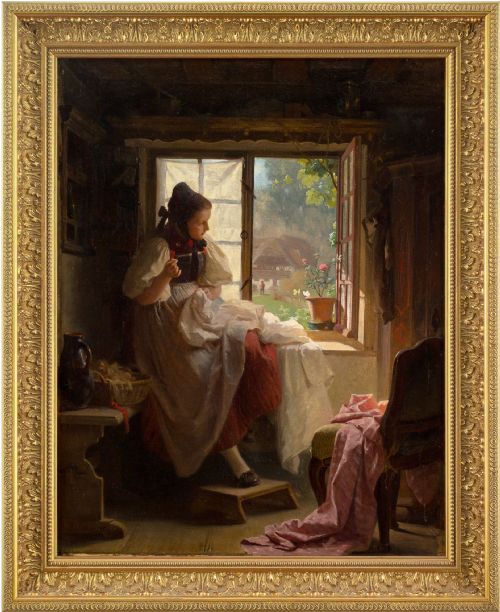
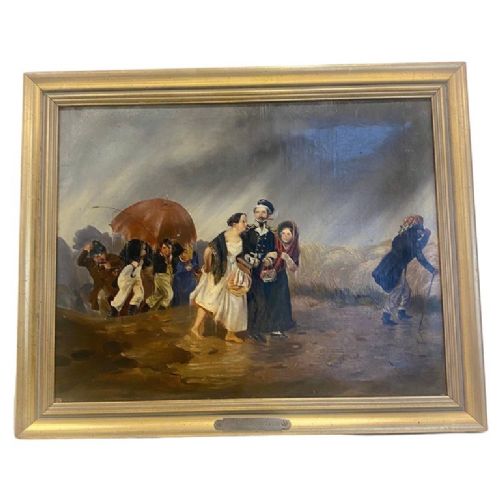
The pieces appearing most frequently across this selection span the 17th, 18th, and 19th centuries, reflecting stylistic shifts from Baroque grandeur to Biedermeier intimacy and 19th Century Realism.
Buyers will encounter both formal studio commissions of nobility and softer portrayals of everyday subjects engaged in domestic or pastoral tasks.
Materials and construction
Painters built these works using oil paint applied to canvas or wood panels, sometimes incorporating gold leaf within the composition.
Many surviving examples retain their period frames, particularly moulded giltwood or gilt wood frames that complement the depth and tone of the canvas.
Listings feature oil paintings on canvas and wood panels spanning the seventeenth through the twentieth centuries, framed in period giltwood.
Assessing quality
Quality rests upon the artist's ability to render facial expression, textile textures, and light, distinguishing a master's hand from a standard provincial workshop piece.
The preservation of the original paint layer and the condition of the supporting canvas or wood panel dictate the visual integrity of the portrait.
John Closterman·Max Kaltenmoser·Albin Mattenheimer·Carl Adolf Mende·Heinrich Harder·Christian Lindner·Bernd Funke·Balthasar Denner·Wilhelm Alexander Meyerheim·Eugen Rosenfeld·Arthur Heinrich Wilhelm Fitger·Ferdinand Barth·K Schubert·Anton Müller-Wischin·Carl August Gosch
The German Portrait Oil Painting Glossary
- Oil on Canvas
- Pigment mixed with a drying oil applied to a woven fabric support. This combination allowed artists to blend tones smoothly and build rich layers of colour.
- Giltwood Frame
- A wooden moulding coated with gold leaf or gesso and gilt. These surrounds provide period-appropriate ornamentation and physical protection for the painting.
- Biedermeier
- An influential Central European design style spanning the mid-19th century. In portraiture, this translated to clean lines, domestic realism, and direct gazes.
- Baroque
- A theatrical artistic style characterised by dramatic lighting and deep shadows. Portraits from this period emphasise rich textures in clothing and imposing postures.
- German School
- A designation applied to works created by artists trained or working within German-speaking regions whose specific individual identity remains unrecorded.
German Portrait Oil Painting: Frequently Asked Questions
How do I date an old portrait?
Dating relies heavily on the subject's costume, hairstyle, and framing conventions, which shifted distinctly between the seventeenth and nineteenth centuries. Details such as lace collars, military uniforms, and bonnet styles offer reliable chronological clues.
Material evidence also helps establish a timeframe, as panel supports often indicate earlier centuries while standard stretched canvases became prevalent later. Comparing the handling of paint with documented regional schools narrows the decade further.
What is a German school painting?
The term denotes a work produced by an artist active in Germany whose specific name is lost to history. These pieces reflect the prevailing techniques and aesthetic values of their regional workshop.
Such attributions often group together paintings with similar stylistic traits, geographic origins, and time periods. They represent the broader artistic output of a community rather than an individual master.
How should I hang oil paintings?
Paintings require stable indoor environments away from direct sunlight and sudden temperature fluctuations. Maintaining moderate humidity prevents the canvas or wood panel from warping and the oil paint from cracking.
Secure wall fixings suited to the weight of the frame ensure safe display. Using proper picture wire and heavy-duty hooks protects both the wall structure and the antique piece.
Are these works cleaned or restored?
Many historical canvases undergo conservation work over the centuries to stabilise flaking pigment or remove darkened varnish. Professional intervention preserves the underlying paint layer while maintaining the age character of the piece.
Examining the canvas under specialised light can reveal past touch-ups or relining. Honesty in historical condition remains a priority for serious collectors.