




German Pendulum Clock
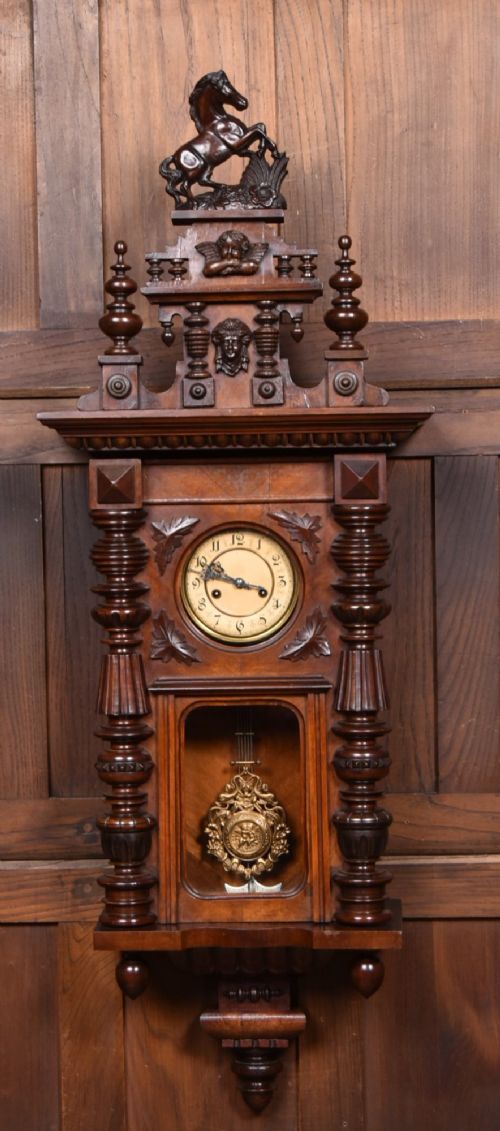
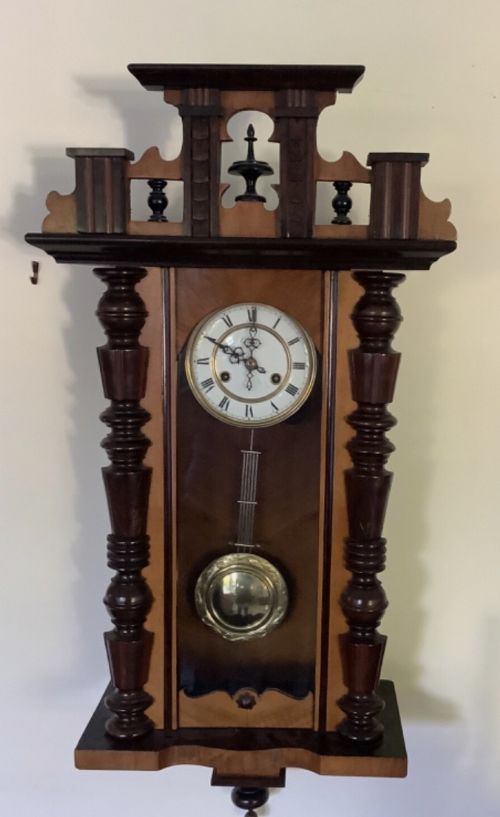
A german pendulum clock measures time with mechanical precision, bringing rich walnut cases and steady ticking into a room.
German Pendulum Clock
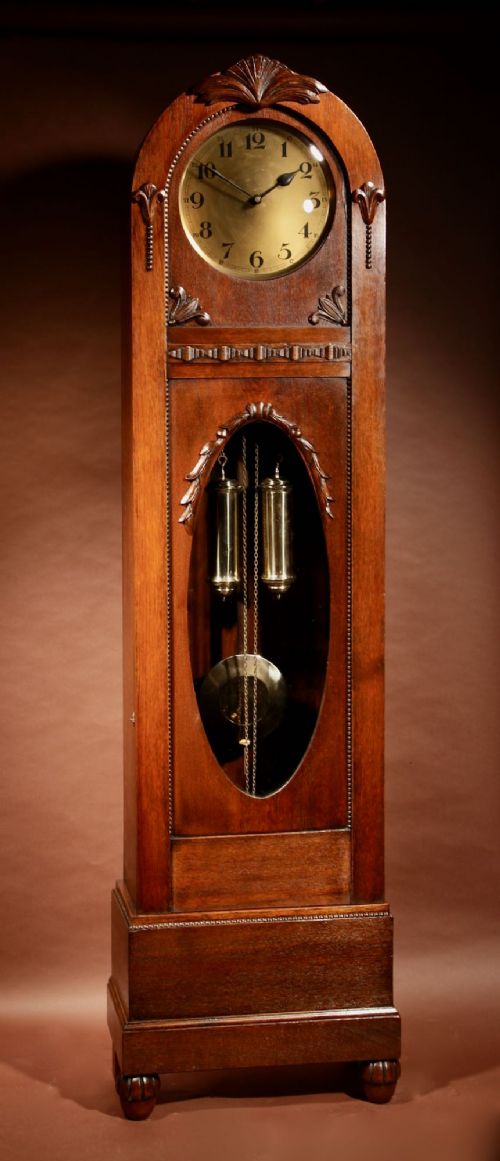
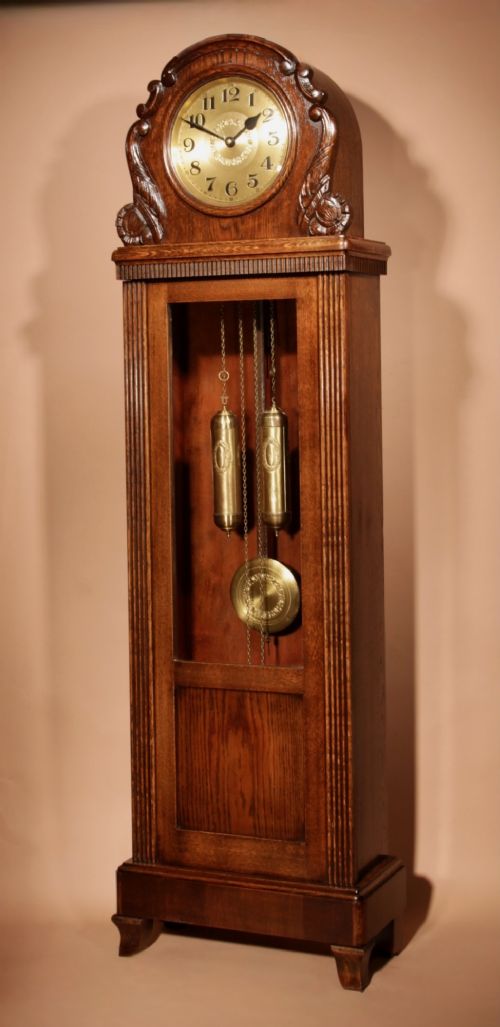
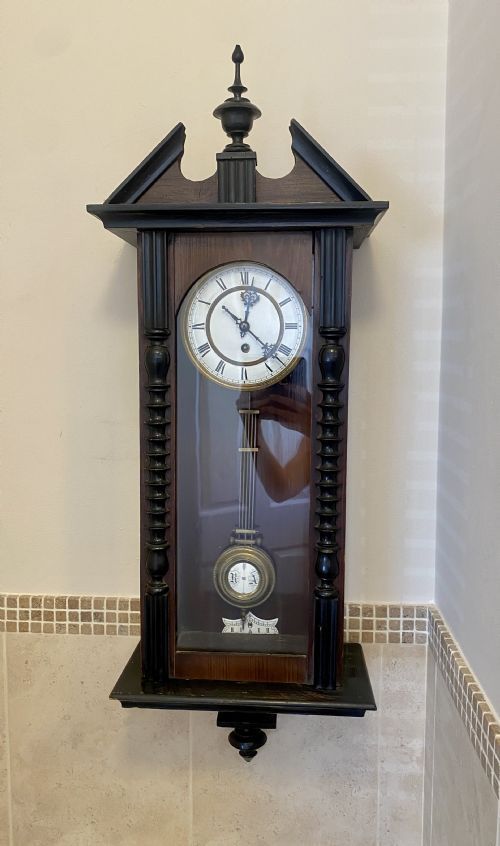
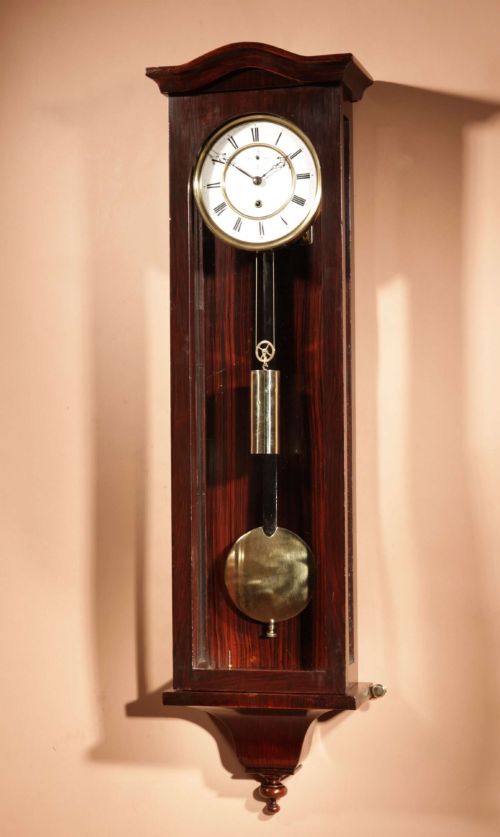
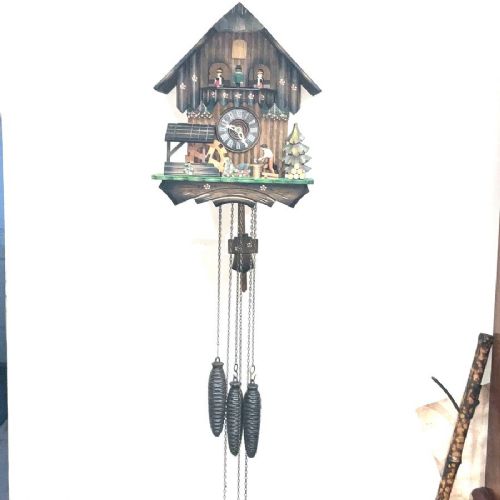
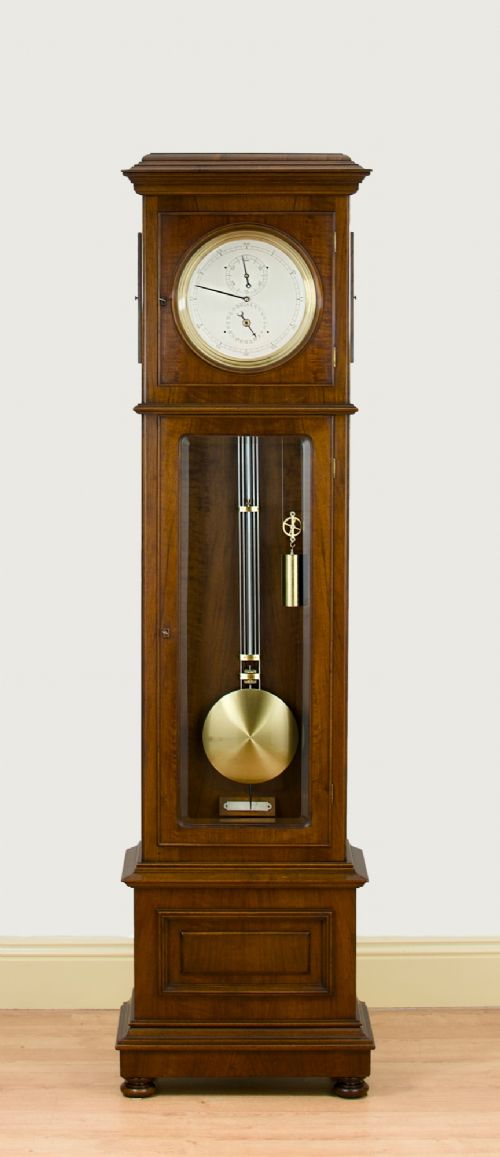
A german pendulum clock encompasses a wide variety of timepieces, from towering floor-standing models to wall-hanging regulators and mantel pieces. When exploring this selection, buyers frequently encounter wall clocks and regulators dating from the nineteenth century up to the middle decades of the twentieth century. These items range from Black Forest cuckoo variants to precise Vienna-style regulators and anniversary torsion clocks.
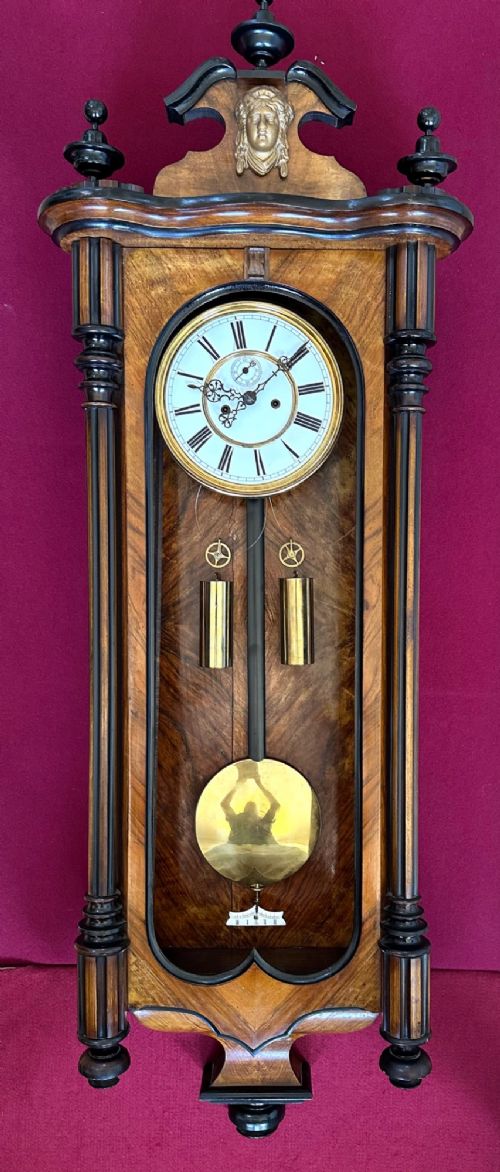
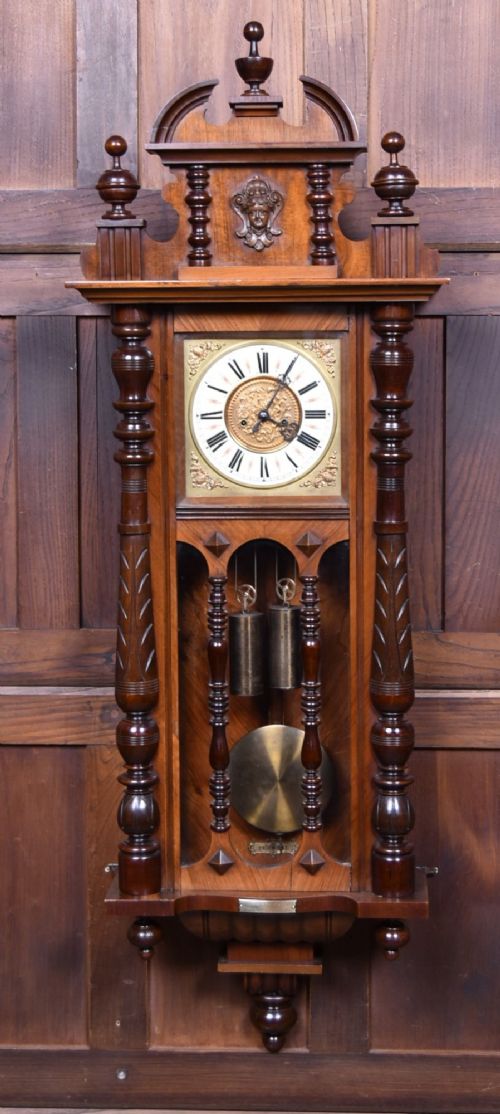
The selection on this page draws heavily from the Victorian era and the years around nineteen hundred. Walnut and ebonised wood cases appear alongside brass movements and enamel dials, reflecting diverse manufacturing traditions across Germany. Whether seeking a simple wall-mounted timepiece or a grander striking model, collectors find numerous expressions of traditional horology.
How they were made
Clockmakers utilised solid woods such as walnut, oak, and ebonised timber to construct durable and decorative cases. Carved details, particularly on Black Forest examples, show intricate hand-tooling on wood surfaces. Glass panels are fitted into doors to protect the dial while allowing a view of the swinging pendulum.
Internal mechanisms rely on brass components, cast iron weights, and steel springs to drive the gear trains. Dials frequently feature enamel plates with painted numerals, while silver-plated metal elements appear on later Jugendstil and Art Nouveau designs. Skilled horologists assembled these brass gear systems to ensure reliable eight-day or fourteen-day striking operations.
German Pendulum Clock Retail Price Guide 2026
Typical asking prices for german pendulum clock among the pieces listed under this phrase on Sellingantiques today, from the lower quarter to the upper quarter. They describe what is for sale here now, not the wider market.
Listings feature walnut, brass, and glass across Victorian, Edwardian, and Art Nouveau periods.
What varies in quality
Quality in these timepieces rests on the precision of the movement and the integrity of the case construction. Makers such as Lenzkirch or Gustav Becker engineered superior regulators with meticulous attention to gear finishing and weight-driven accuracy, separating standard production models from high-grade workshop achievements.
The choice of materials and the depth of carving further define the standard of a piece. Solid walnut cases and well-preserved enamel dials retain their visual appeal over generations, whereas simpler constructions show more basic joinery and standard metalwork.
Gustav Becker·Lenzkirch·Philipp Haas·Johann Baptist Beha·H.A.C.
The German Pendulum Clock Glossary
- Regulator
- A precision timekeeper designed to keep highly accurate time, often featuring a long pendulum and a clear glass door for viewing the swing. These clocks were typically used as reference standards in offices or railway stations before appearing in domestic interiors.
- Vienna Regulator
- A weight-driven wall clock style originating in Austria and Germany, characterised by a refined wooden case and a visible pendulum. They are celebrated for their elegant proportions and sophisticated mechanical movements.
- Torsion Clock
- A timepiece regulated by a suspended metal ribbon that twists and untwists in a slow rotational cycle, often known as an anniversary clock. This mechanism allows the clock to run for many months on a single wind.
- Grande Sonnerie
- A complex striking mechanism that chimes both the hours and the quarters automatically on every quarter-hour. Such systems require advanced gear trains and multiple weight or spring barrels to operate.
- Ebonised Wood
- Timber treated with a finish to imitate expensive ebony, creating a dark, uniform surface popular in nineteenth-century cabinetmaking. This technique provided a striking contrast against brass bezels and white enamel dials.
German Pendulum Clock: Frequently Asked Questions
How do I wind a pendulum clock?
Winding involves using a matching key to turn the arbors on the dial face until the weights or springs reach the top. Care must be taken not to overwind the mechanism.
For weight-driven models, pulling the chains or winding the cords gently lifts the cast iron weights back into position without forcing the stop.
Why does my clock go out of beat?
A clock goes out of beat when the case is tilted or the suspension spring shifts, causing the ticking sound to become uneven. This disrupts the precise swing of the pendulum.
Adjusting the levelling feet or gently shifting the crutch wire restores the correct tick-tock rhythm necessary for accurate timekeeping.
Where should I hang a wall clock?
Wall clocks require a sturdy, stable partition that experiences minimal vibration from footsteps or closing doors. Brick walls or secure stud fixings provide the best support for heavy wooden cases.
The location should also avoid direct sunlight and damp environments to protect the wood case and brass movement over time.
What is an anniversary clock?
An anniversary clock is a torsion pendulum timepiece designed to run for extended periods, traditionally a full year, between windings. It uses a rotating pendulum suspended from a fine wire instead of a standard swinging pendulum.
These clocks became popular household items in the late nineteenth century, prized for their delicate appearance and mechanical ingenuity.