



German Oil Painting
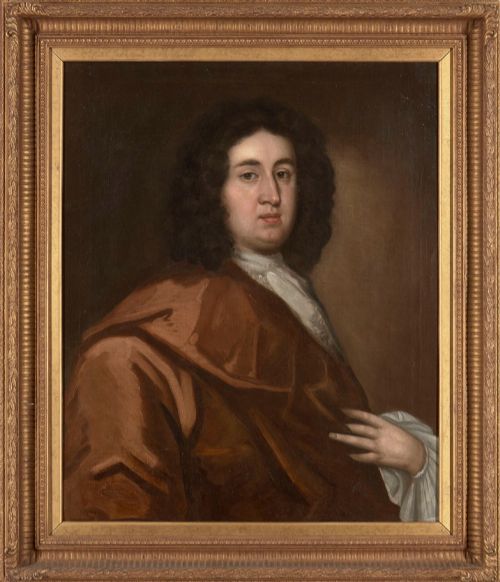
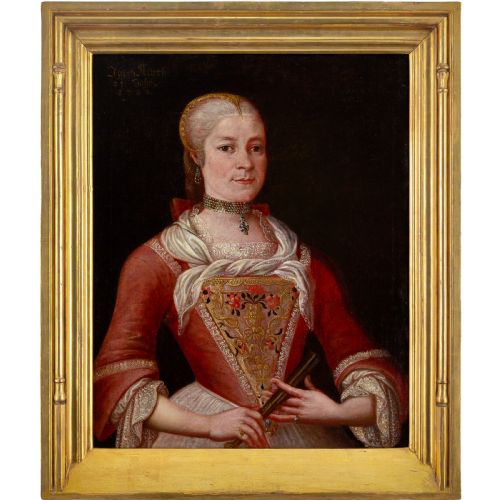
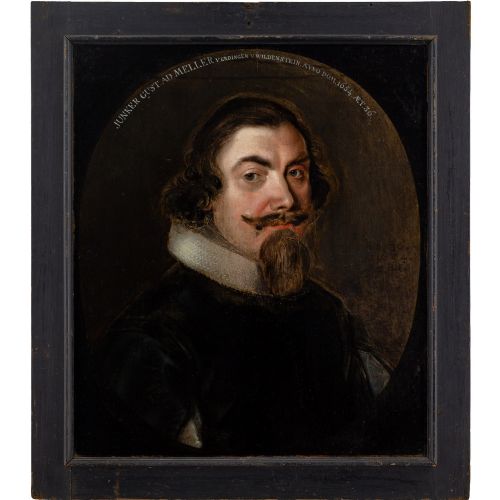
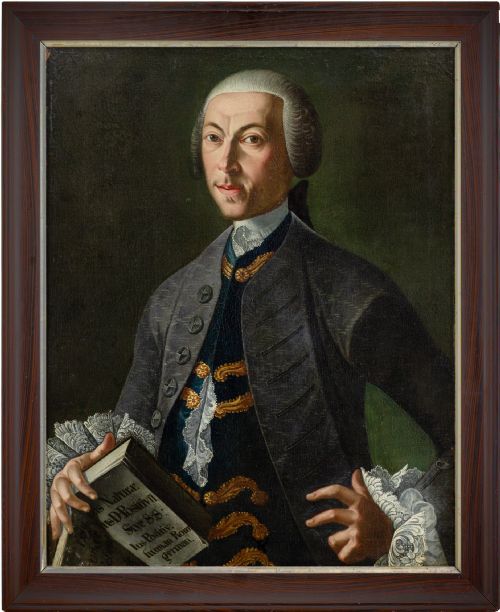
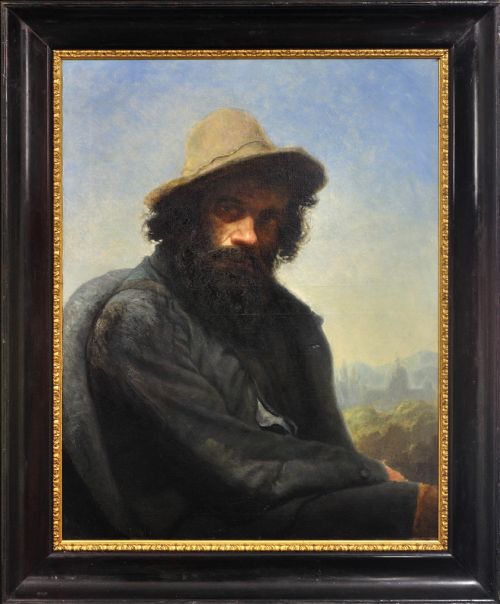
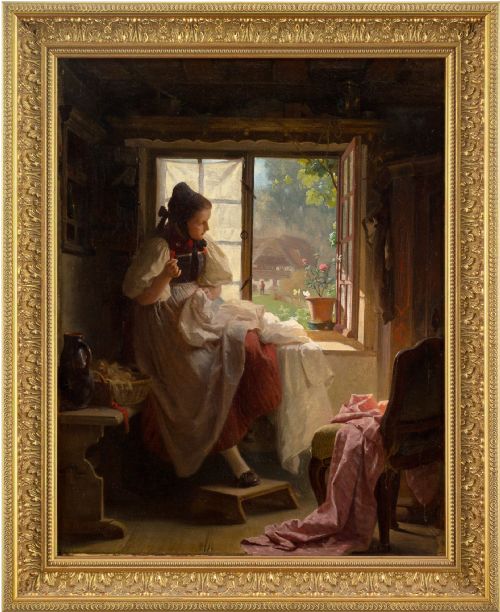
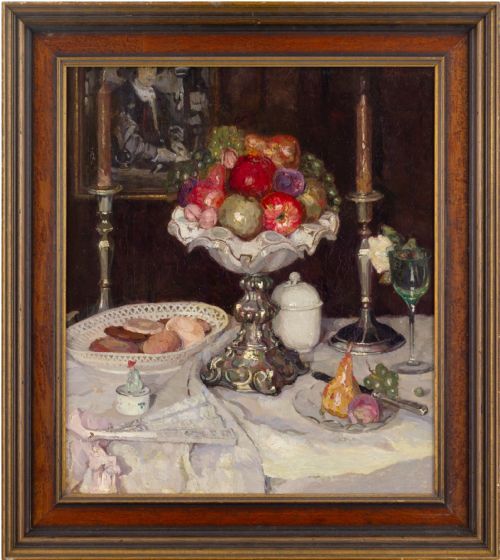
A german oil painting carries centuries of European heritage, capturing stark portraiture, moody landscapes and vibrant still lifes on textured canvas or sturdy wood panels.
How They Were Made
Makers applied oil paint using brushes and palette knives onto prepared supports of woven canvas or solid wood panels. These surfaces were typically primed with gesso to create a stable ground for pigment adherence.
Many historical examples retain their original giltwood frames, often enhanced with intricate gold leaf mouldings that complement the depth and palette of the artwork within.
What Varies In Quality
The standard of a german oil painting depends heavily on the dexterity of brushwork and the anatomical or spatial accuracy achieved by the artist. Master painters demonstrated superior control over light, shadow, and texture, particularly in rendering human expression, fabric folds, and atmospheric depth.
Preservation of the original paint layer and support also dictates standing, with undisturbed surfaces, minimal craquelure disruption, and period-appropriate framing commanding greater appreciation among collectors.
German Oil Painting Retail Price Guide 2026
Typical asking prices for german oil painting among the pieces listed under this phrase on Sellingantiques today, from the lower quarter to the upper quarter. They describe what is for sale here now, not the wider market.
Materials recorded on this page include oil paint, canvas, wood panels, gesso, and gold leaf frames.
John Closterman·Albin Mattenheimer·Heinrich Harder·Bernd Funke·Karl Herrle·Balthasar Denner·Ludwig Hermann·Carl Kenzler
The German Oil Painting Glossary
- Oil on Canvas
- Pigments suspended in a drying oil medium applied to a stretched woven fabric support. This combination allowed artists to create rich textures and subtle tonal gradations.
- Giltwood Frame
- A wooden picture surround coated with a thin layer of gold leaf. These frames often reflect the specific decorative style of the painting's era.
- Panel
- A solid piece of wood used as a rigid support for painting instead of fabric. Panels were frequently utilised in earlier centuries.
- Chiaroscuro
- An artistic technique employing strong contrasts between light and dark to give subjects a three-dimensional volume. It defines many dramatic historical interiors and portraits.
German Oil Painting: Frequently Asked Questions
How do I identify the age of an oil painting?
Age is determined by examining the canvas weave, wood panel construction, preparation layers, and stylistic characteristics of the brushwork. Signatures and archival records also help narrow down the period.
Frame construction and historical labels on the reverse provide further clues regarding when the artwork was created or re-framed.
What is the difference between canvas and panel supports?
Canvas consists of woven fabric stretched over a wooden frame, offering flexibility and a textured surface for broader brushstrokes. Wood panels provide a rigid, smooth base favoured for meticulous detail in earlier centuries.
Both supports require stable environmental conditions to prevent warping or canvas slackening over time.
How should I display and care for an antique oil painting?
Hang paintings away from direct sunlight, heating vents, and damp areas to protect the delicate oil pigments and wooden supports from cracking or fading. Maintain stable room temperatures to preserve the physical structure.
Dust the surface gently with a soft, dry brush and avoid using liquid cleaners or chemical solvents on the paint layer.
What subjects are most common in German school art?
Portraiture forms a significant portion of the available works, depicting aristocrats, merchants, and everyday figures in formal attire or domestic settings. Landscapes, townscapes, and still lifes featuring fruit and flowers are also widely represented.
Genre scenes capturing rural life and historical narratives frequently appear across nineteenth and twentieth-century examples.