



German Bronze Figure
These german bronze figure examples combine cast metal and cold-painted finishes to bring character and fine detail to any mantel or desk.
German Bronze Figure
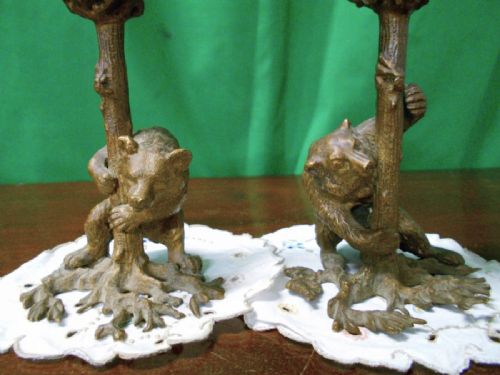
A german bronze figure encompasses a variety of sculptural works ranging from nineteen-century candlesticks and animalier studies to twentieth-century figures set upon marble bases. These pieces capture subjects as diverse as bears, birds, human portraits, and mythological scenes like Europa and the Bull.
The selections on this page span several decades, moving from nineteenth-century historicism and Black Forest designs through to Art Nouveau and Art Deco movements. Collectors encounter small miniature figurines alongside larger table lamps and night lights.
Originating predominantly from German workshops and European foundries, these sculptures utilise metals such as bronze, cast iron, and electrotype copper often paired with stone or ivory elements.
How they were made
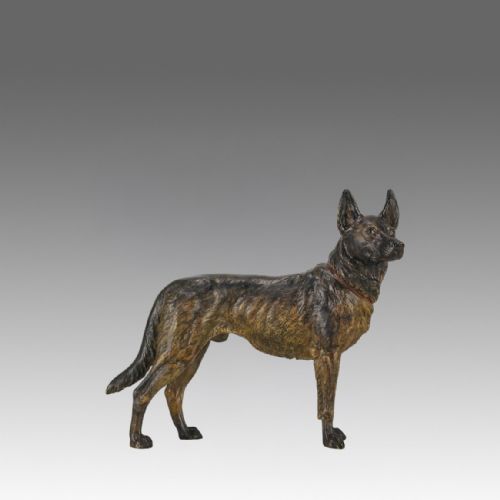
The primary material is cast metal, predominantly bronze, which is poured into moulds to capture intricate anatomical details and sharp contours. Many pieces utilise cold-painted techniques where enamel colours are applied to the metal surface after casting.
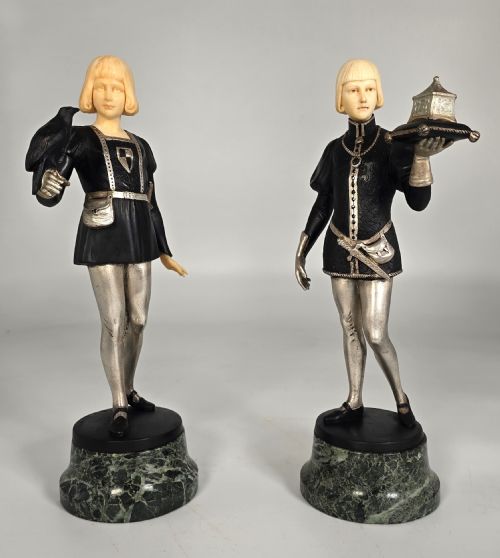
Makers frequently combined bronze with contrasting natural materials such as marble bases, carved ivory accents, or stone plinths to add stability and visual weight. Electrotype copper processes were also utilised to create detailed figures through chemical deposition.
German Bronze Figure Retail Price Guide 2026
Typical asking prices for german bronze figure among the pieces listed under this phrase on Sellingantiques today, from the lower quarter to the upper quarter. They describe what is for sale here now, not the wider market.
Bears serving as candlesticks and birds perched on leaves demonstrate how nineteenth-century makers brought unexpected wildlife into daily domestic routines.
What varies in quality
Quality rests in the crispness of the initial cast and the subtlety of the chasing work performed by the artisan after the metal solidifies. Finer examples retain sharp textures in fur, feathers, and drapery without losing the natural fluidity of the subject.
The preservation of the original cold-painted surface dictates the visual appeal of many polychrome items. Strong works integrate materials like marble and ivory harmoniously, ensuring the mounting supports the sculpture properly.
Franz Bergman·Gotthilf Jaeger·C Dopmeyer·Ferdinand Preiss·Albert Hussmann·Rudolf Küchler·Leonhard Posch·Gustav Adolf Daumiller
The German Bronze Figure Glossary
- Cold-Painted Bronze
- Bronze sculpture decorated with cold-applied enamel paints that are not kiln-fired. This technique requires skilled brushwork to achieve realistic animal and human coloration.
- Animalier
- A nineteenth-century artistic style focused on the realistic portrayal of animals, particularly predators, domestic pets, and wildlife in natural poses.
- Electrotype
- A replica or sculpture produced through an electrolytic process that deposits copper or bronze onto a mould. This method reproduces fine details accurately.
- Art Deco
- A design style of the nineteen-twenties and nineteen-thirties characterised by sleek geometric shapes, stylised human forms, and modern industrial materials.
- Patina
- The surface sheen or coloration developed on bronze over time through oxidation or intentional chemical treatments. It protects the metal and enhances sculptural depth.
German Bronze Figure: Frequently Asked Questions
How do I clean a bronze figure?
Dust the surface gently with a soft, dry brush to prevent the accumulation of grit in recessed details. Avoid using harsh chemical cleaners or water, which can strip away the historic patina.
Apply a very thin coat of microcrystalline wax if the metal requires protection against moisture. Buff it lightly with a clean cloth to maintain a soft, stable sheen.
What is cold-painted bronze?
Cold-painted bronze refers to metal sculptures finished with oil-based or enamel paints applied without heat firing. This method was widely used in European foundries to add realistic colour to small figures.
Because the paint is simply dried on the metal surface rather than fused, it is prone to flaking if handled roughly. Collectors look for pieces with minimal paint loss to ensure authenticity.
How do I identify Art Deco bronzes?
Art Deco bronzes typically feature streamlined silhouettes, stylised drapery, and geometric motifs that reflect the aesthetics of the interwar period. Subjects often include dancers, athletes, and stylised animals.
These figures are frequently mounted on high-quality marble or onyx bases. The integration of carved ivory faces and hands is also common in figures from this era.
Are these figures solid bronze?
Many sculptures are cast using the lost-wax method and are solid bronze, while larger pieces are often hollow to reduce weight and material costs. Hollow castings remain standard practice in foundry work.
Alternative techniques like electrotype copper deposit material onto a form, creating a hollow shell that mimics solid metal. Inspecting the underside or base often reveals the construction method.