






Georgian Wooden Tobacco Box
A georgian wooden tobacco box brings tactile warmth and personal history to a desk, crafted from dense hardwoods to keep leaf moist and fragrant.
Georgian Wooden Tobacco Box
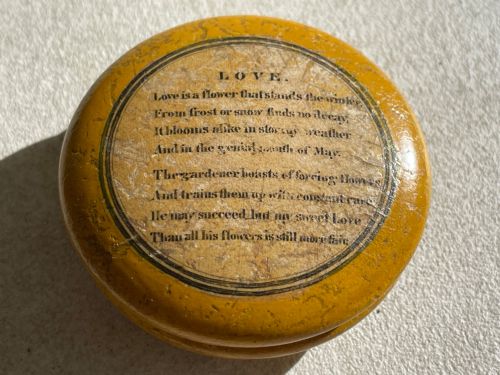
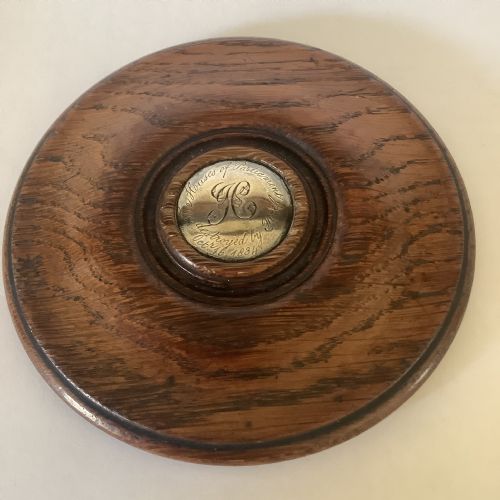
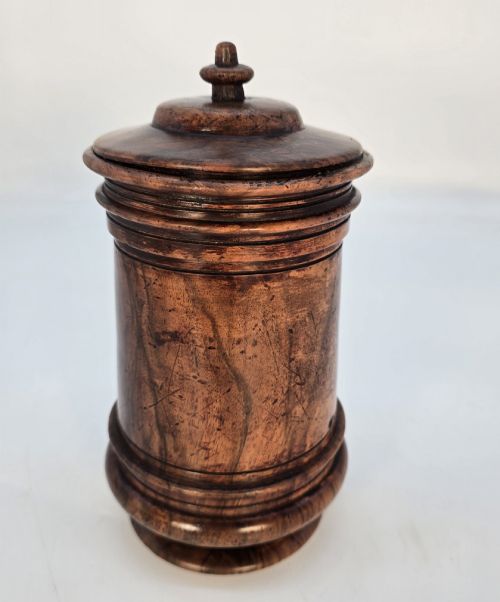
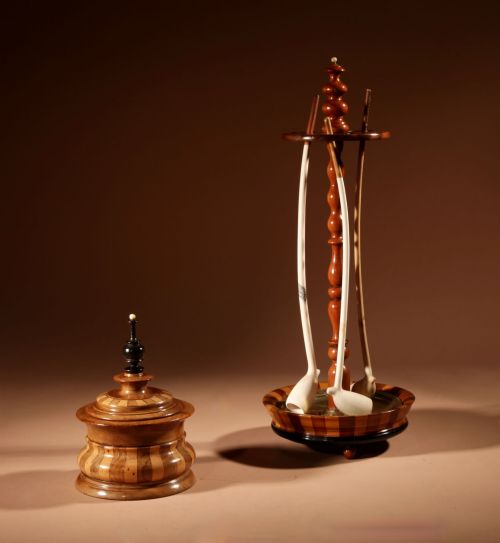
A georgian wooden tobacco box encompasses pocket snuff boxes, table jars, and coopered containers fashioned from domestic and exotic timbers. Buyers seeking a georgian wooden tobacco box will encounter various forms, including shoe-shaped novelties, barrel designs, and oval table boxes.
Makers of the period turned to dense woods like walnut, fruitwood, mahogany, and yew to withstand daily handling and pocket wear. Surviving examples often bridge the gap between utilitarian treen and decorative folk art, reflecting the social rituals of smoking and snuff-taking.
Materials and construction
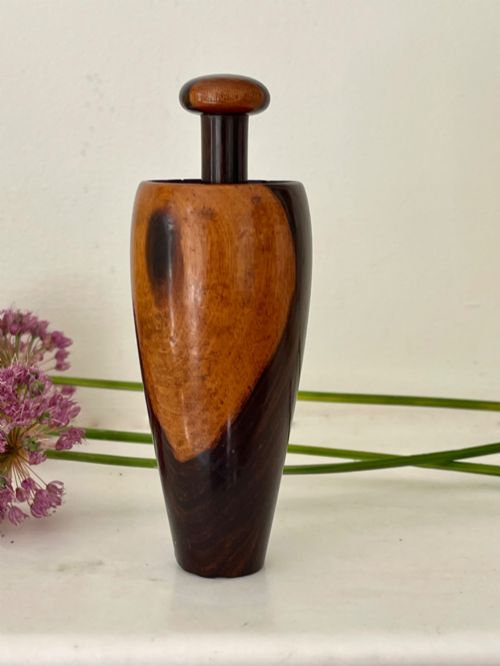
Craftsmen shaped these containers using traditional woodworking techniques such as turning on a lathe, coopering with staves, and meticulous hand carving. Hardwoods like walnut, mahogany, and fruitwood provided the dense grain necessary for tight lids and smooth, sliding fits.
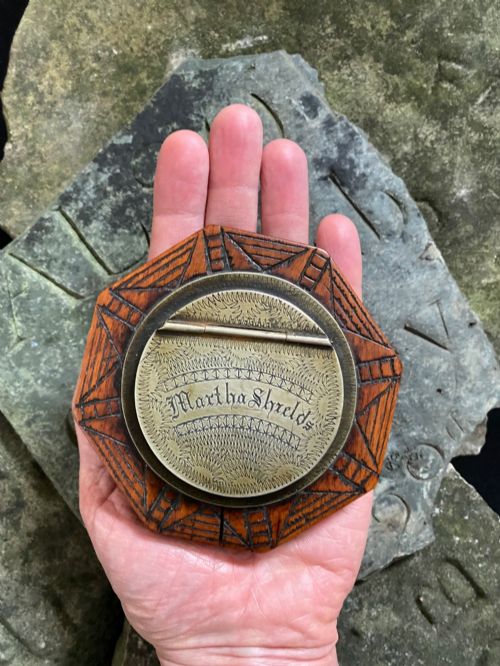
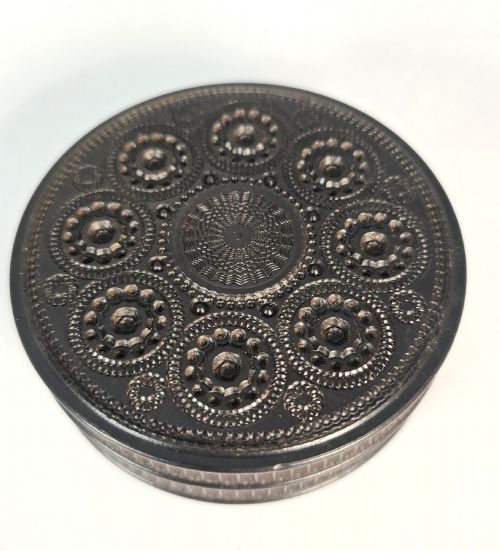
Surface ornamentation relied on natural timber figuring, pen work, and delicate brass pique work rather than applied finishes. Coopered items utilised bent staves bound with tight wooden or metal bands, whilst turned pieces achieved seamless cylindrical and barrel forms.
Georgian Wooden Tobacco Box Retail Price Guide 2026
Typical asking prices for georgian wooden tobacco box among the pieces listed under this phrase on Sellingantiques today, from the lower quarter to the upper quarter. They describe what is for sale here now, not the wider market.
The documented forms span across the eighteenth century, the Georgian era, the Regency period, William IV, and Victorian folk art.
Factors of distinction
Quality rests upon the crispness of the carving, the selection of timber with rich grain patterns, and the integrity of the joinery. Superior pieces display smooth operation of sliding lids, tight-fitting covers, and minimal shrinkage over centuries of use.
The presence of specialised embellishments such as brass inlay, intricate pen work, or historical provenance elevates a piece beyond standard utilitarian treen. A deep, natural patina developed through handling indicates longevity and proper preservation of the original wood surface.
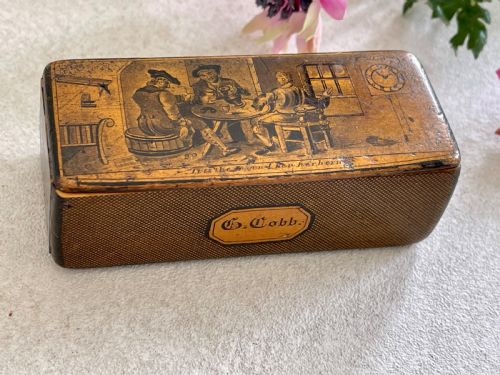
G Cobb
The Georgian Wooden Tobacco Box Glossary
- Treen
- Small handmade wooden objects for domestic use. These items range from utilitarian kitchenware to decorative pocket containers.
- Coopered
- Constructed from curved staves of wood bound together by bands or hoops. This method was essential for making cylindrical jars and barrels.
- Pique work
- A method of decoration using tiny points of precious metal or brass inlaid into a base material. It creates delicate geometric or floral patterns on the surface.
- Snuff box
- A small container designed to hold ground tobacco leaves for inhalation. They were fashioned from various hard materials with tightly fitted lids.
Georgian Wooden Tobacco Box: Frequently Asked Questions
How do I care for antique wood?
Antique wooden boxes require stable indoor humidity and protection from direct sunlight to prevent timber shrinkage and splitting. Avoid using modern chemical polishes or water on dry historical surfaces.
Applying a minimal amount of appropriate conservation wax occasionally helps maintain the natural sheen and nourish the old grain.
Were these boxes used for tobacco or snuff?
Historical containers served both functions depending on their scale and internal construction. Larger coopered jars accommodated loose pipe tobacco, while pocket-sized carvings held powdered tobacco.
Many surviving pieces are broadly classified under treen and tobacciana, reflecting overlapping uses in daily Georgian life.
How do I spot a shoe-shaped box?
Shoe and boot-shaped containers were popular novelty items carved from solid hardwood blocks to resemble contemporary footwear. They frequently feature detailed brass pique work, inlaid diamonds, or sliding heel covers.
Carvers utilised the curved toe and heel profiles to showcase their skill in turning rigid timber into recognizable clothing items.