
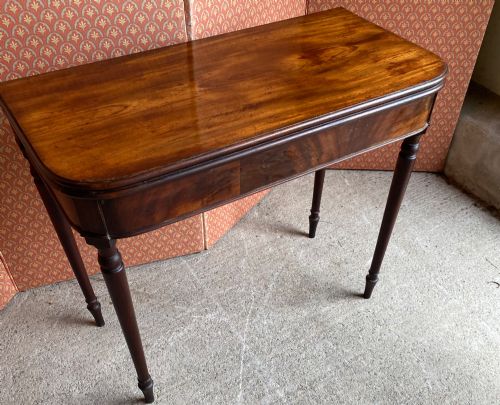
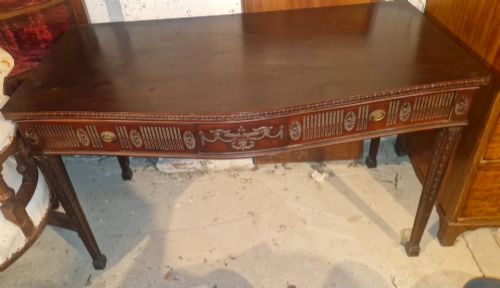
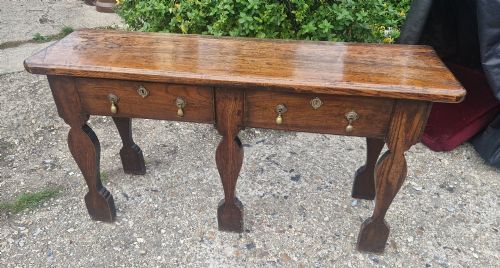
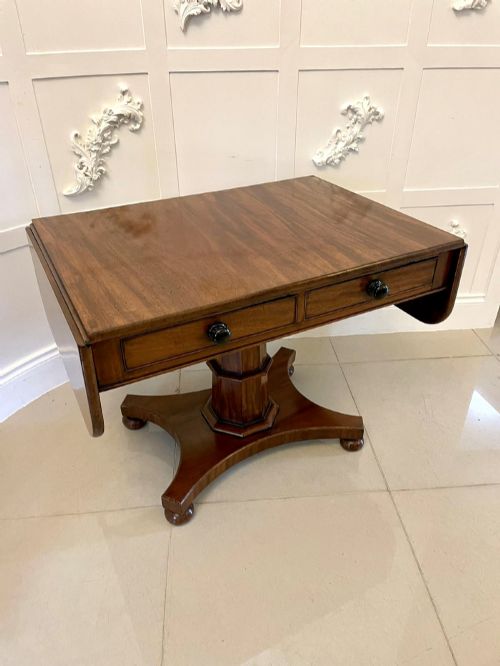
Georgian Wooden Console
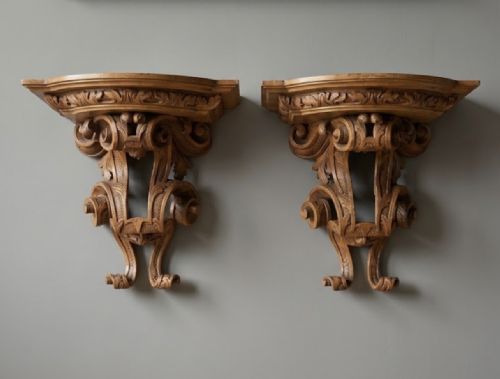
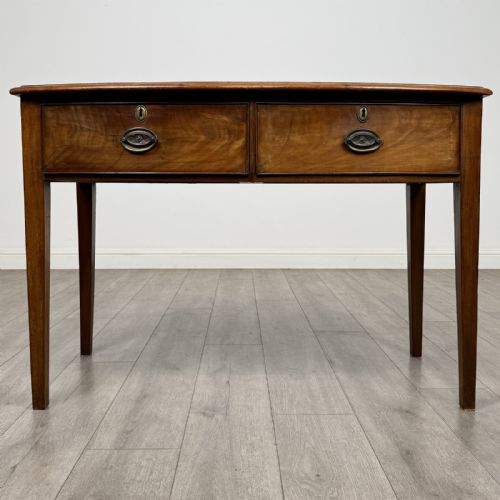
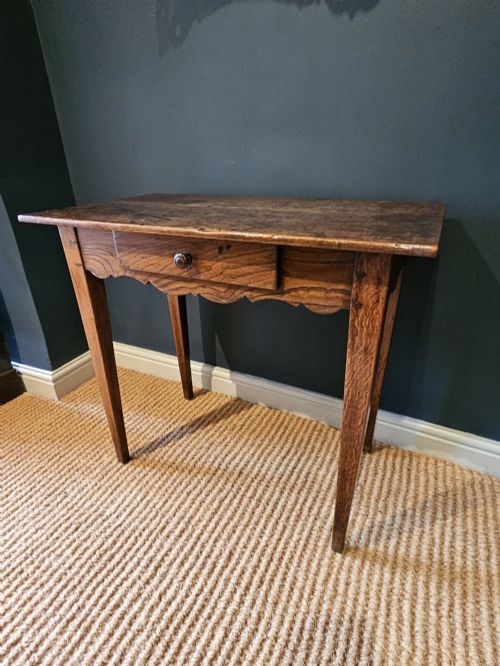
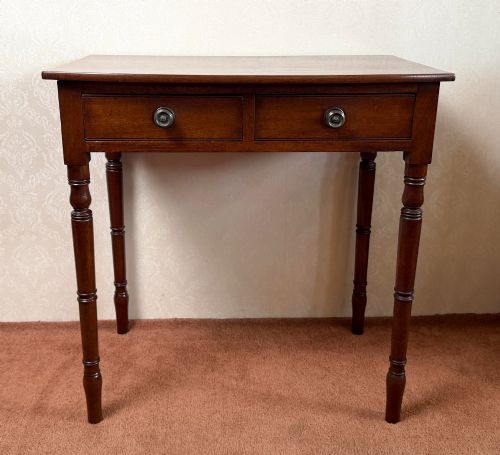
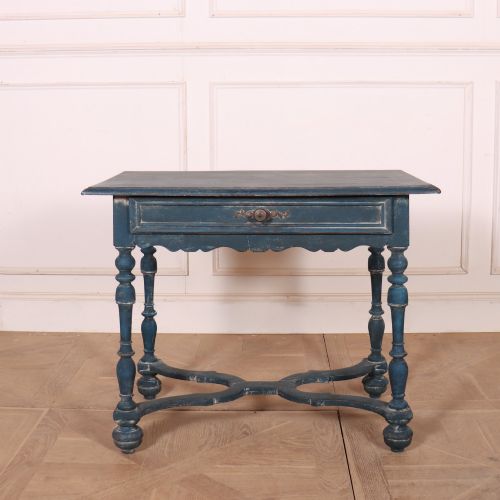
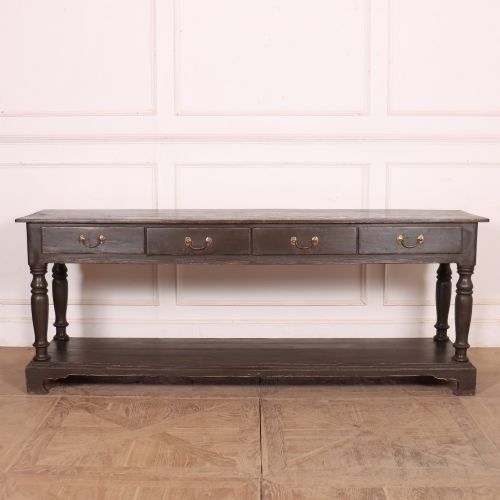
A georgian wooden console brings architectural presence and versatile surface space to a hallway, drawing upon centuries of skilled cabinet making.
Georgian Wooden Console
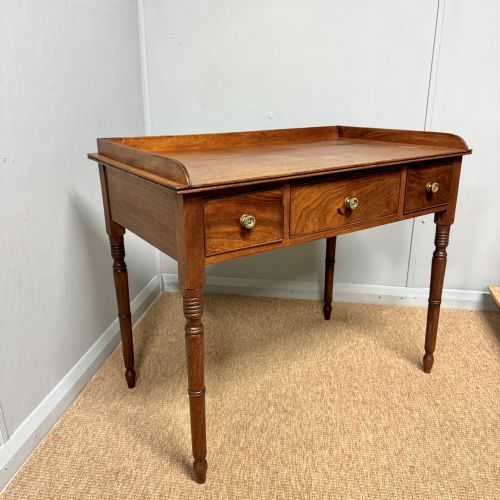
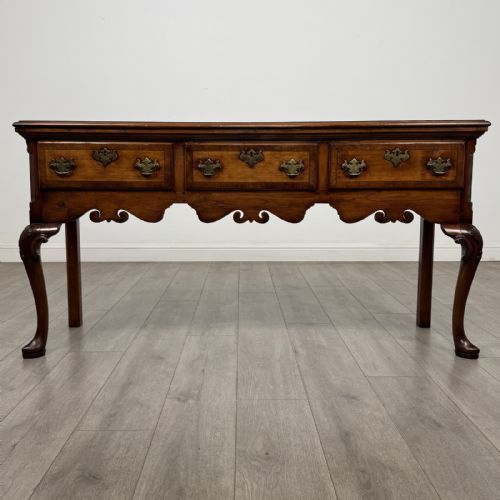
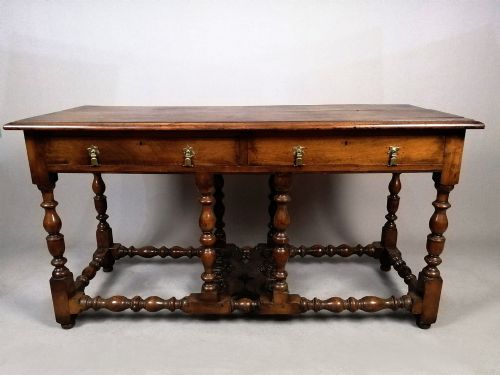
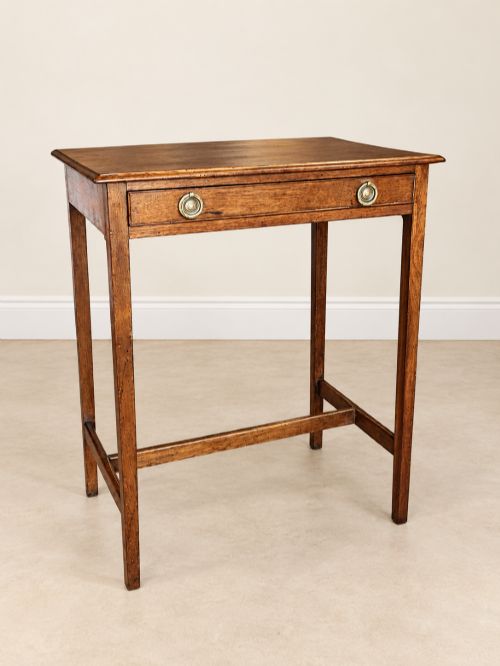
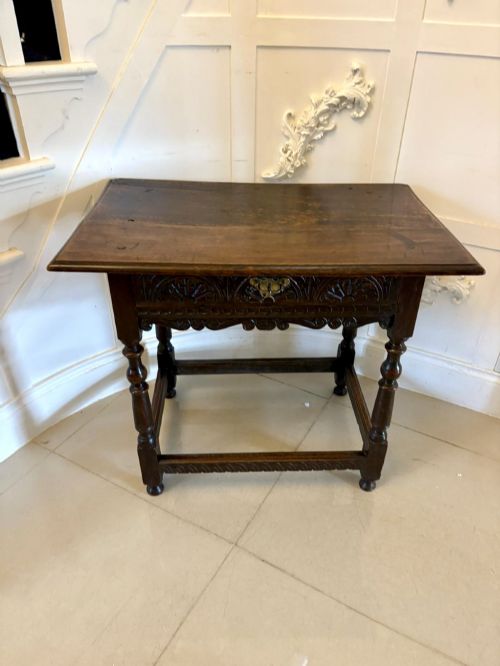
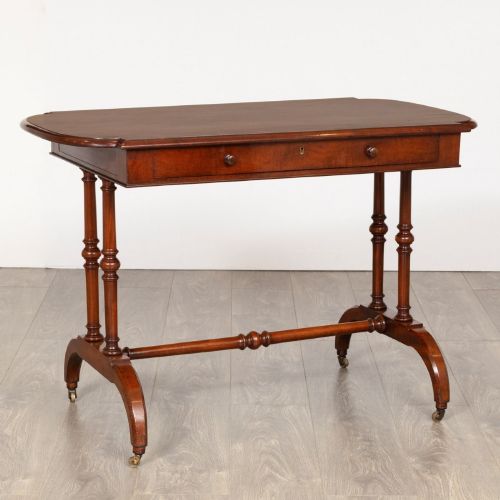
The search phrase georgian wooden console encompasses a broad selection of side tables, serving tables, and console tables dating predominantly from the eighteenth and early nineteenth centuries. These forms reflect the functional requirements of period interiors, serving as serving surfaces, hall furniture, or writing desks.
Most examples encountered here belong to the broader Georgian and Regency periods, spanning mahogany, oak, and pine constructions. Alongside dedicated console tables, buyers frequently encounter related forms such as lowboys, serving tables, and foldover tea tables that share the same architectural lineage.
Regional variations and stylistic influences range from formal Sheraton designs to robust English country pieces. Makers utilised native and imported timbers, creating pieces that vary from utilitarian farmhouse dressers and potboards to highly refined drawing-room card tables.
Materials and construction techniques
Cabinet makers relied heavily on dense tropical hardwoods like mahogany, frequently selecting figured or flame veneers for visually striking table tops. Secondary timbers such as oak, pine, and elm provided sturdy structural support for frames, drawer linings, and internal bracing.
Joinery methods involved precise mortise and tenon joints, dovetailed drawer construction, and hand-cut turnings. Many tables incorporated specialised mechanisms, such as concertina actions for card tables or drop leaves supported by swing legs on sofa tables.
Surface finishing typically involved hand-applied wax or polish over prepared wood, occasionally supplemented by painted pine treatments. Inlays of boxwood and brass accents further distinguished finer formal pieces from rustic provincial work.
Early tavern tables invite you to imagine centuries of spilled ale, heated debates, and weary travellers resting their boots.
Distinctions in craftsmanship and materials
Quality separates pieces by the selection of timber and the precision of the cabinet work, particularly in figured veneer choices and crispness of carved details. Superior examples display balanced proportions, harmonious grain alignment across tabletops, and untouched original surfaces with deep patination.
Structural integrity and the retention of original brass hardware or internal mechanisms dictate the standing of a piece within its period. Lesser examples may exhibit heavy timber replacement, unsympathetic later finishes, or compromised joinery resulting from centuries of domestic use.
The Georgian Wooden Console Glossary
- Lowboy
- A small side table featuring one or more rows of drawers, commonly used as a dressing table or hall table in the eighteenth century. These pieces typically stand on slender cabriole or straight legs.
- Serving table
- A large, long table designed for dining rooms to hold dishes before service. They frequently feature sophisticated timber grains and restrained classical proportions.
- Potboard
- An open slatted lower shelf incorporated into dresser bases, historically utilised for storing domestic pots and ceramics. This feature is particularly characteristic of country oak furniture.
- Concertina action
- An ingenious table frame mechanism that expands outward to support a folding top, frequently found on dining and card tables to double the surface area when open.
- Figured mahogany
- Timber selected for its decorative, rippled grain pattern that catches the light. Cabinet makers reserved these choice cuts for primary display surfaces like table tops.
Georgian Wooden Console: Frequently Asked Questions
What is a georgian wooden console used for?
These tables provide practical surface space and decorative presence in entrance halls, dining rooms, and living areas. Historically, they supported lamps, serving dishes, or writing materials.
Today, they function as elegant display ledges for mirrors and objects of art, fitting neatly against walls where floor space is limited.
How do I identify a georgian period piece?
Authentic period pieces exhibit traditional hand-cut joinery, such as tightly fitted hand-cut dovetails within the drawer construction. The timber should show natural ageing and a warm, patinated surface developed over centuries.
Stylistic cues such as tapered legs, restrained classical moulding, and native or imported hardwood construction help differentiate these pieces from later reproductions.
Are these tables suitable for modern homes?
Their modest proportions and versatile designs make them exceptionally well suited to contemporary interiors. They slip easily into narrow hallways or act as slim writing desks in home offices.
Their robust timber construction also ensures they withstand daily domestic use just as they did centuries ago.
What woods were commonly used?
Mahogany served as the premier timber for formal urban pieces, valued for its stability and rich grain. Regional and country workshops frequently employed native oak, elm, walnut, and pine.
Secondary woods like deal and oak were routinely utilised for internal framing and drawer linings.