

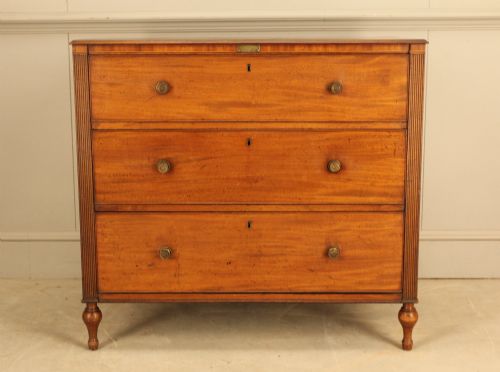
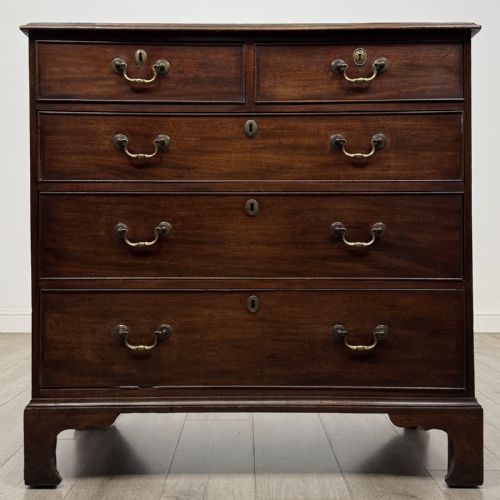
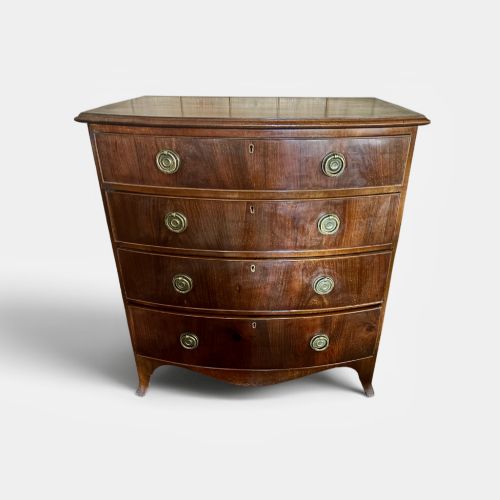
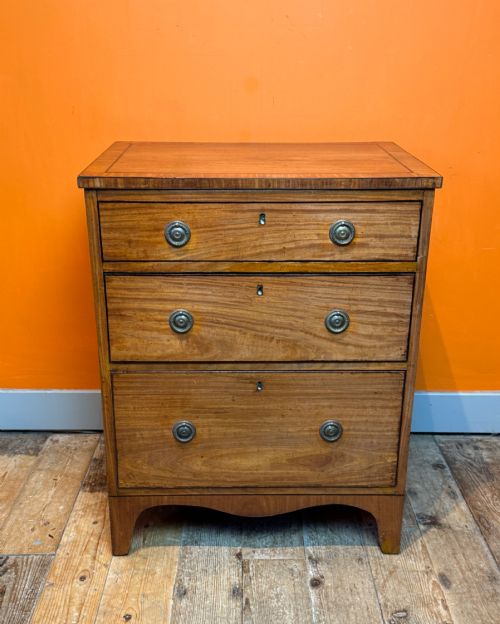
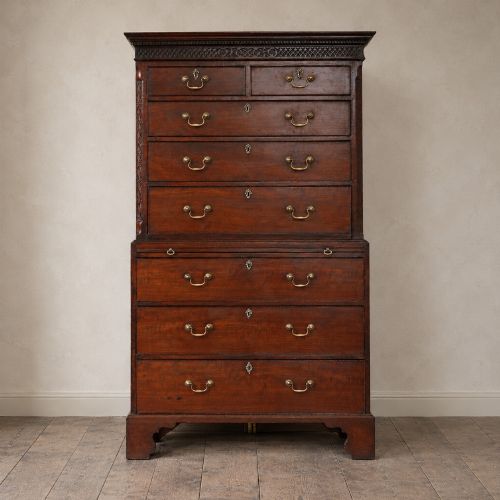
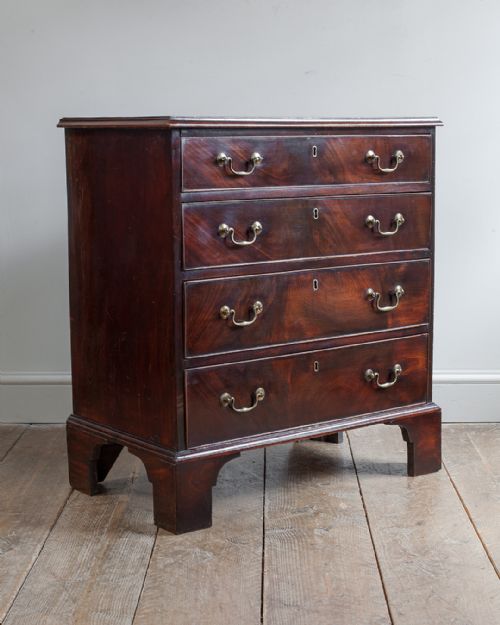
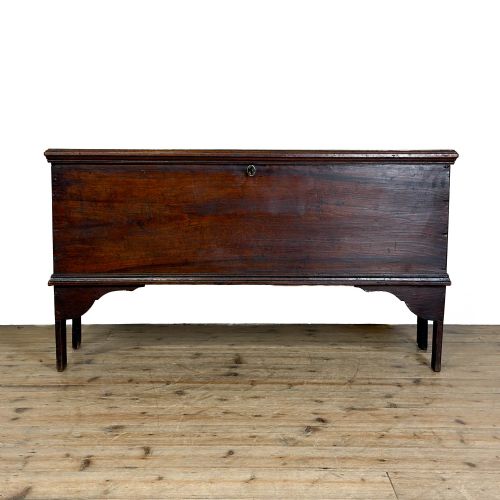
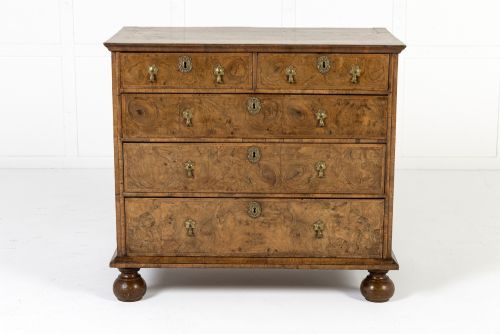
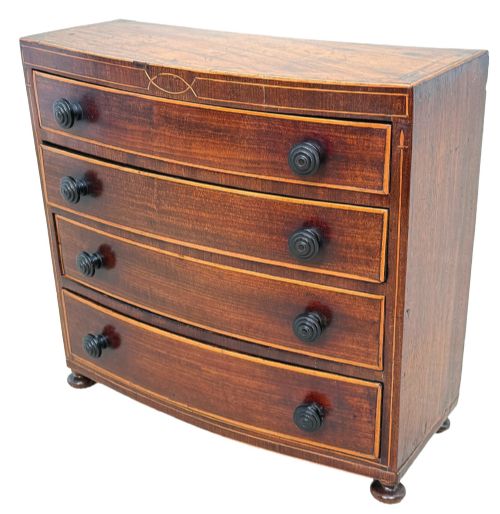
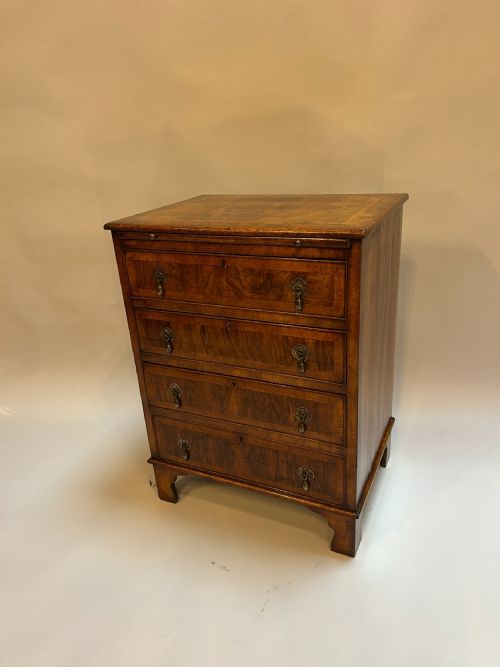
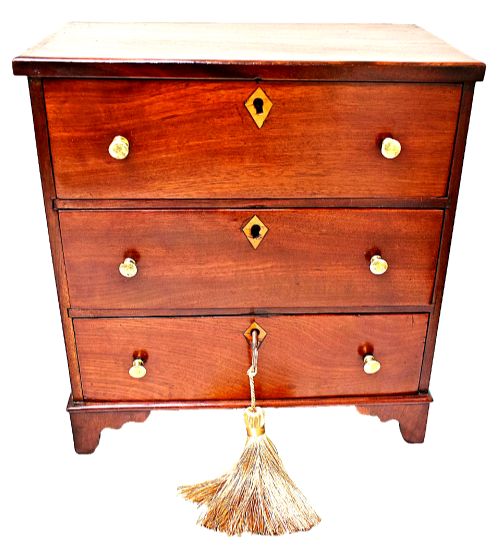
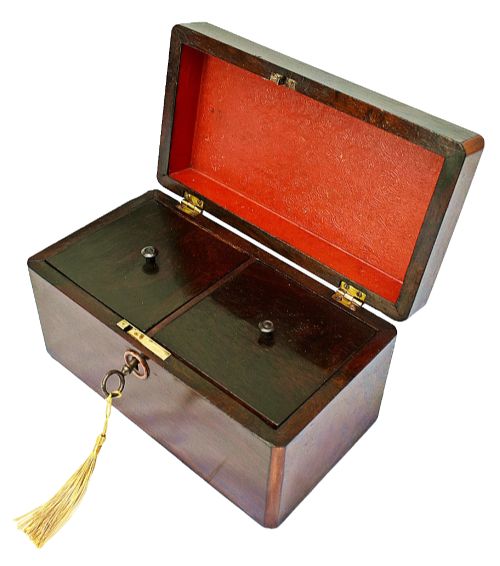
Georgian Wood Chest
A georgian wood chest brings warmth and substantial storage to a room through centuries-old cabinetmaking.
Georgian Wood Chest
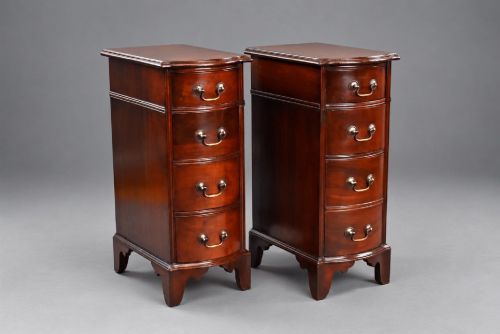
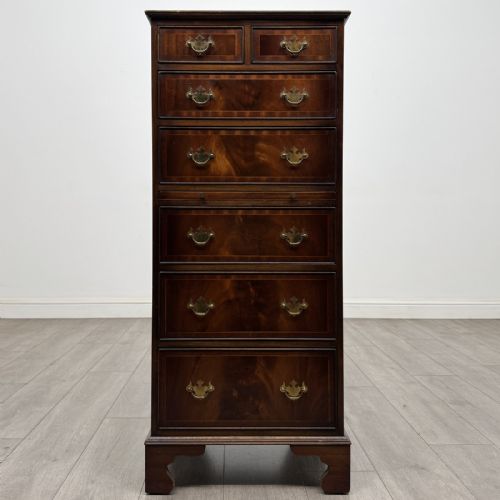
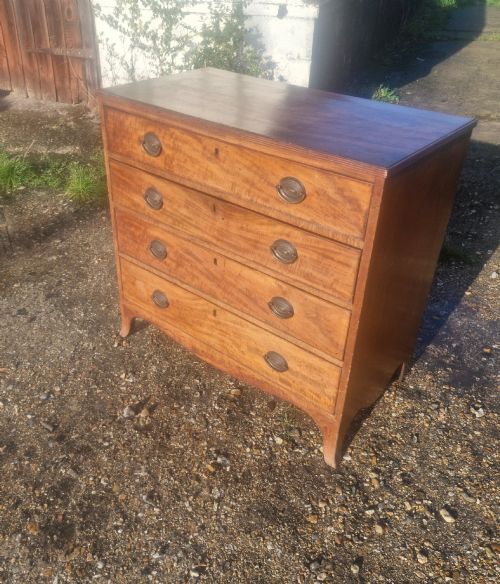
When searching for a georgian wood chest, buyers encounter practical storage furniture designed primarily as chests of drawers, dressing tables, and linen presses. The pieces span periods from the eighteenth century through the Regency era, alongside later revival interpretations.
The most common formats on this page are mahogany and oak chests of drawers, often featuring bow-front designs or brass handles. These items originate from periods including the Georgian era, the nineteenth century, and later twentieth-century stylistic revivals.
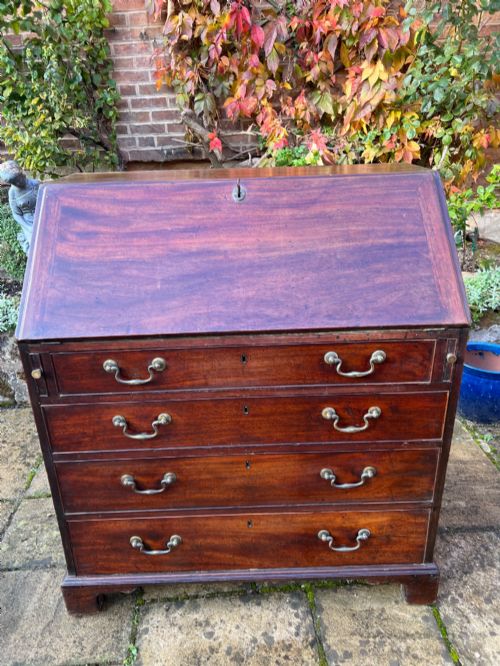
Alongside standard drawer units, the selection includes related forms such as bureau bookcases, mule chests, and military travelling chests. Each variation reflects the domestic storage needs of its respective period.
How they were made
Cabinetmakers utilised primary timbers such as mahogany, oak, walnut, burr walnut, elm, and yew wood, often enhanced with brass hardware. Secondary woods and structural elements support the dense exterior construction.
Surface decoration and functional details include inlaid tops, marquetry, raised galleries, and bracket feet. Joinery techniques connect graduated drawers, brushing slides, and fall-front writing sections securely within the main carcase.
Georgian Wood Chest Retail Price Guide 2026
Typical asking prices for georgian wood chest among the pieces listed under this phrase on Sellingantiques today, from the lower quarter to the upper quarter. They describe what is for sale here now, not the wider market.
Listings feature woods such as mahogany, oak, walnut, burr walnut, elm, yew, and ash across the Georgian, Regency, and Edwardian periods.
What varies in quality
The degree of refinement in timber selection separates individual examples, from plain domestic oak to highly figured burr walnut and flame mahogany. Timber choice dictates the visual depth of the grain and the overall presence of the piece.
Construction subtleties such as hand-cut dovetails, original brass handles, and integrated brushing slides distinguish standard utility pieces from superior cabinetwork. The integrity of the surface finish and original patina further define the grade of each item.
Gillows
The Georgian Wood Chest Glossary
- Bow front
- A cabinet front that curves outward in a convex shape, frequently seen on mahogany chests from the Georgian and Regency periods.
- Brushing slide
- A pull-out shelf integrated above the top drawer of a chest or dressing table, used historically for folding linen or writing.
- Chest on chest
- A tall storage unit comprising a smaller chest stacked directly upon a wider base chest, often providing up to eight drawers.
- Mule chest
- A storage box combining a deep lower drawer with an upper compartment accessed via a hinged lid, typically constructed in oak during the eighteenth century.
- Secretaire
- A desk form featuring a fall-front drawer that opens to reveal internal pigeonholes and small drawers for writing materials.
Georgian Wood Chest: Frequently Asked Questions
How do I date a wooden chest?
Dating relies on examining construction methods, timber choices, and hardware styles. Hand-cut dovetails and timber grains indicate the period of manufacture.
Secondary woods and drawer linings offer further clues to help distinguish eighteenth-century originals from later twentieth-century revival pieces.
What timber was used most?
Mahogany and oak dominate the surviving examples, prized for their strength and rich grain patterns. Walnut and elm appear less frequently.
Cabinetmakers selected these hardwoods to withstand heavy daily use while providing a smooth surface for polishing.
How do I use a chest with a brushing slide?
The pull-out shelf serves as a temporary surface for sorting clothes or writing notes. It slides smoothly back into the frame when not in use.
Avoid placing heavy items on the extended slide to protect the internal runners from undue strain.