
Georgian Winged Chair
A georgian winged chair is a fireside seat designed to keep draughts off the head and shoulders, offering deep comfort and formal presence.
Georgian Winged Chair
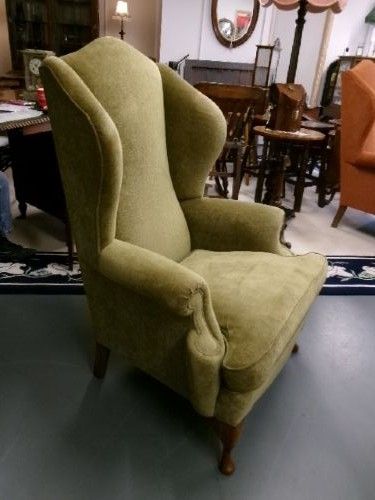
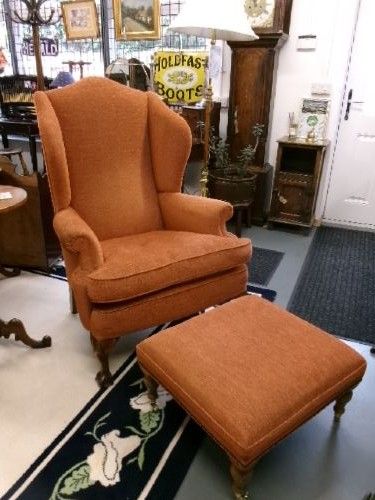
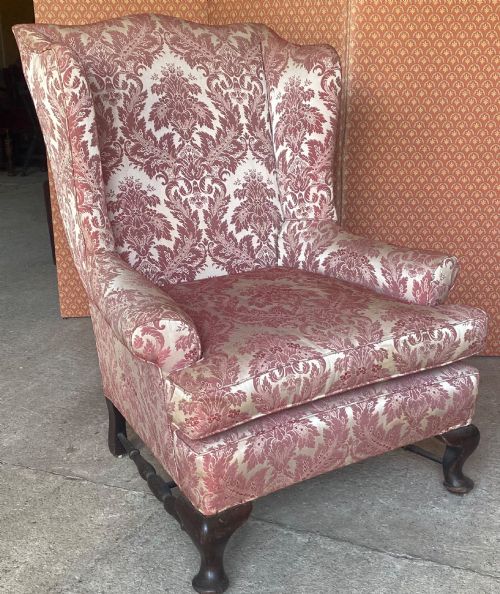
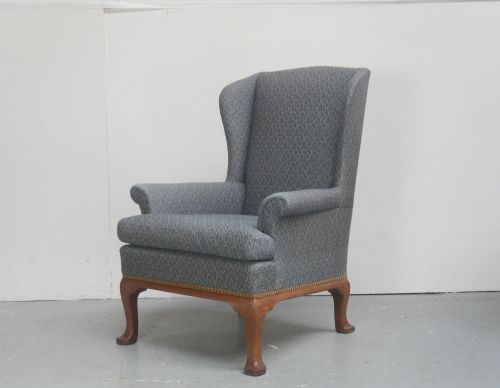
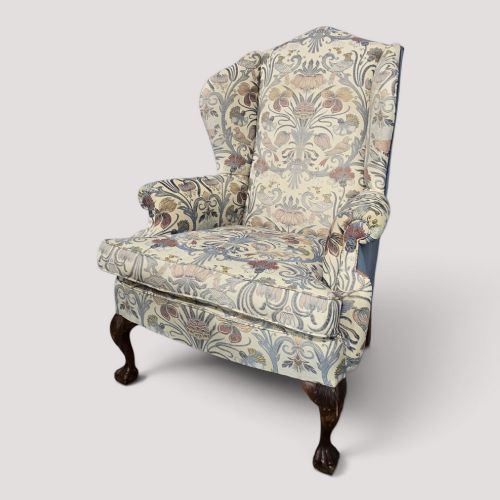
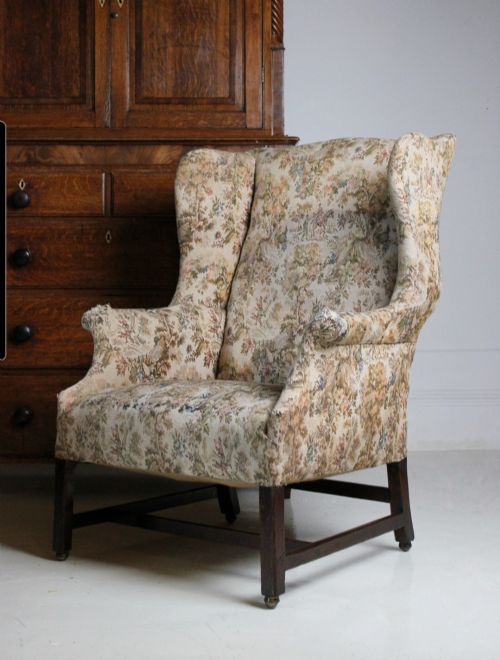
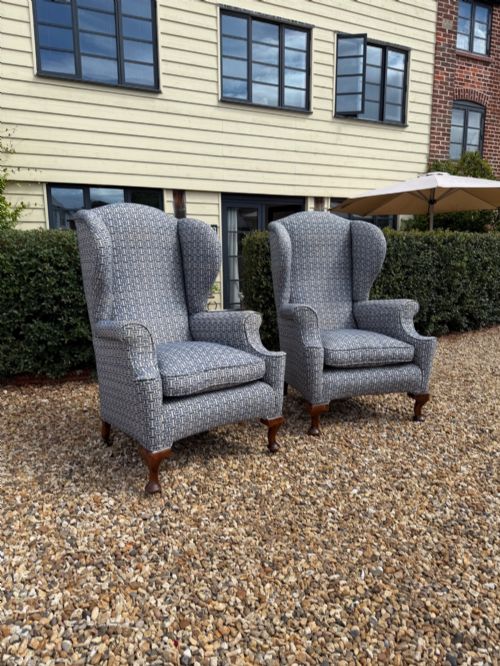
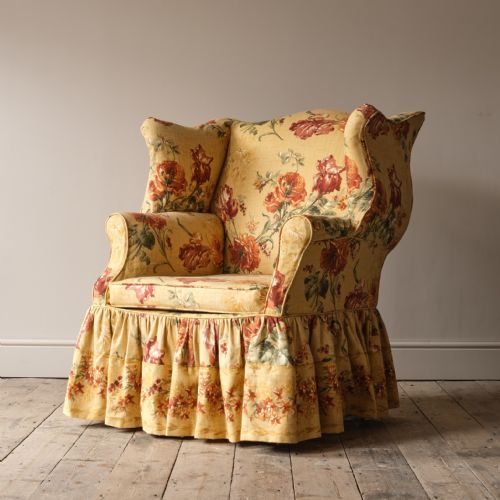
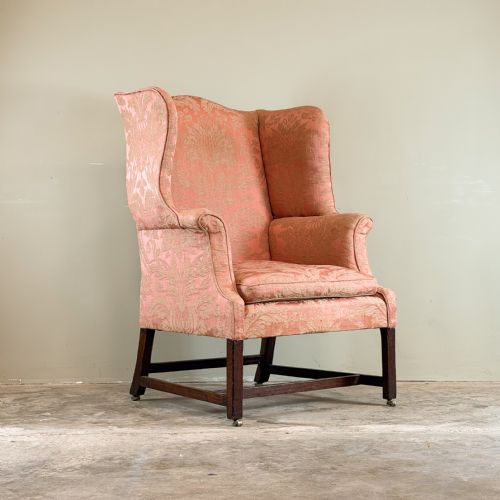
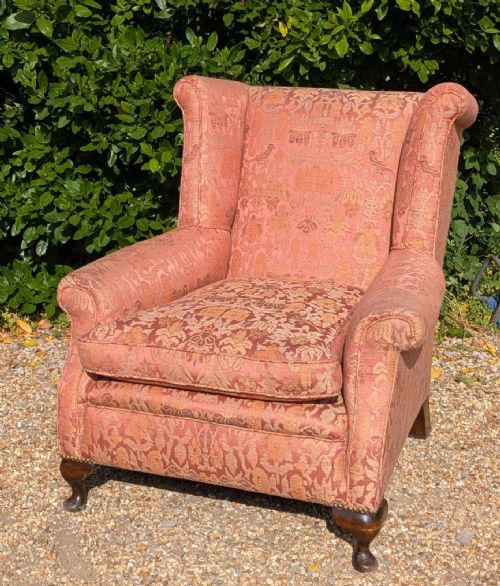
A georgian winged chair serves as an upholstered fireside seat featuring characteristic side panels designed to trap heat and block cold air. Buyers encounter both authentic eighteenth-century examples and later revivals from the nineteenth and twentieth centuries.
The form appears primarily as an armchair, alongside related seating such as barrel-backed variants and lambing chairs. Frames range from substantial walnut and mahogany structures to lighter oak forms.
Origins span formal English townhouses and country houses, with revivals continuing the tradition through the Edwardian era and into the nineteen-thirties.
How They Were Made
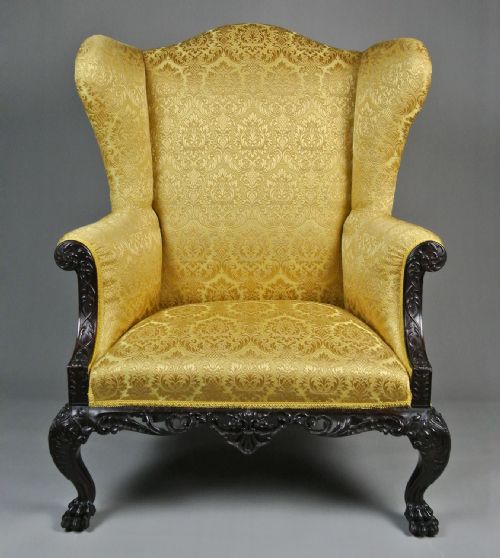
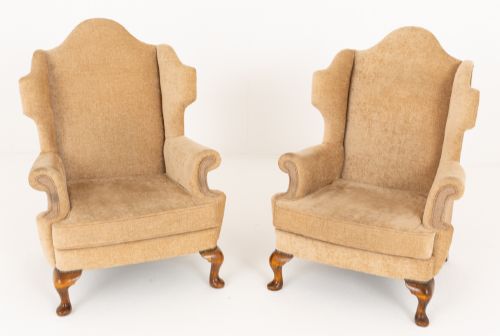
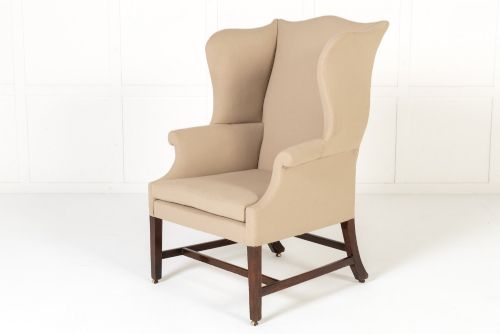
Timber frames utilise mahogany, walnut, or oak, supporting internal construction designed for durability. Exposed legs often display carved cabriole shapes or straight supports.
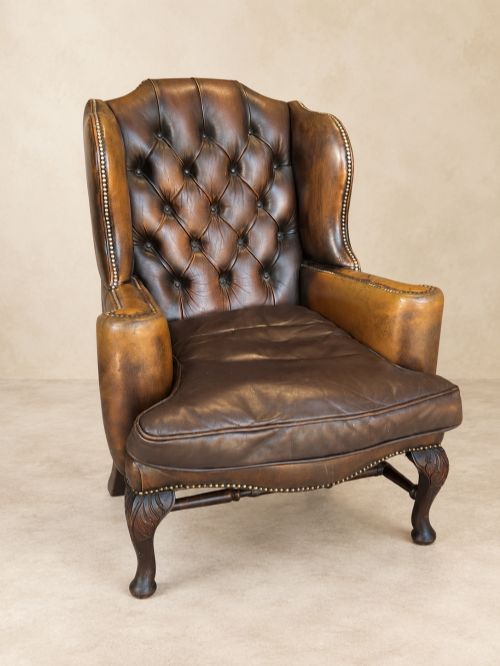
Upholstery relies on traditional materials including leather, fabric, velvet, hessian, and feather fillings. These elements combine to give the high back and wings their characteristic shape and supportive resistance.
The archive includes numerous examples from the nineteenth-century revival period alongside eighteenth-century originals.
What Varies in Quality
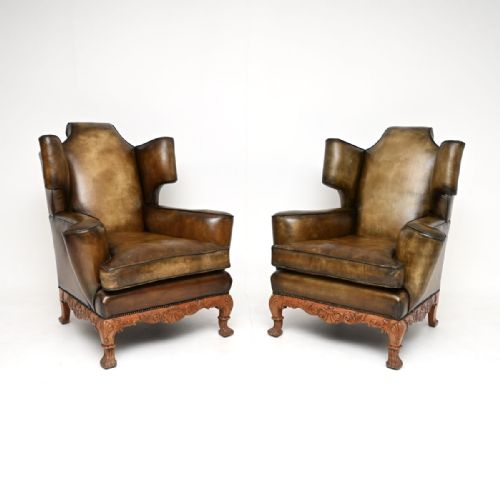
The distinction between ordinary and superior examples lies in the integrity of the timber frame and the ambition of the carving. Hand-carved details and substantial proportions separate master furniture from simpler workshop production.
The handling of the wings and back profile dictates the visual balance of the piece. Well-executed curves and substantial scale provide the presence expected in period seating.
Howard And Sons
The Georgian Winged Chair Glossary
- Wing
- The triangular or curved side panel attached to the upper arms of a chair to deflect draughts. It defines the silhouette of the fireside seat.
- Cabriole leg
- A furniture leg that curves outward at the knee and tapers inward toward the foot. This form draws inspiration from animal limbs.
- Barrel back
- A seating form where the upholstered back wraps continuously around to form enclosed armrests. This style creates a snug enclosure for the sitter.
- Lambing chair
- A traditional wooden armchair featuring a high hooded back and enclosed sides. These pieces often incorporate solid wood or partial upholstery.
Georgian Winged Chair: Frequently Asked Questions
What is a georgian winged chair used for?
These seats were originally placed close to open hearths to protect the occupant from cold draughts. The side panels trapped warmth around the head while keeping the body sheltered.
Today they function as traditional reading or fireside chairs in living spaces. Their high backs provide substantial support for long periods of sitting.
How do I identify a period piece?
Authentic eighteenth-century examples display timber construction methods and wear consistent with age. Examination of the frame reveals hand-cut joints and period woods like walnut and mahogany.
Later revivals from the nineteenth and twentieth centuries often show different upholstery techniques and machine-cut elements. Comparing leg carving and wood patination helps clarify the age of the frame.
Are these chairs comfortable to sit in?
The deep proportions and high backrests provide substantial physical support. Padding varies depending on whether the piece retains original stuffing or has been re-upholstered with modern fillings.
Many examples utilise feather or hair stuffing that yields gently to the body. The enclosed wings also create a sense of privacy and quiet.
What fabrics are found on these chairs?
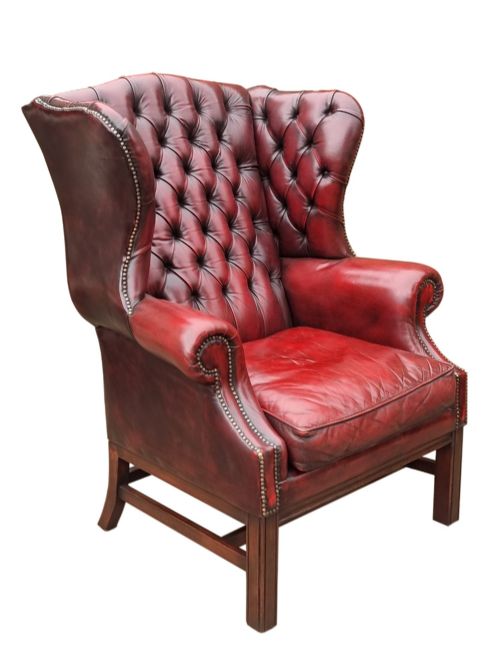
Upholstery materials range from traditional leather and heavy woven fabrics to velvet and cotton. Leather examples often develop a rich patina over decades of use.
Revival pieces frequently employ textured textiles like chenille twill or cut velvet. Hessian and calico typically appear beneath top covers as foundation layers.