


Georgian Watercolor Portrait
A georgian watercolor portrait captures the likenesses of past generations through delicate pigments applied directly to paper or ivory.
Georgian Watercolor Portrait
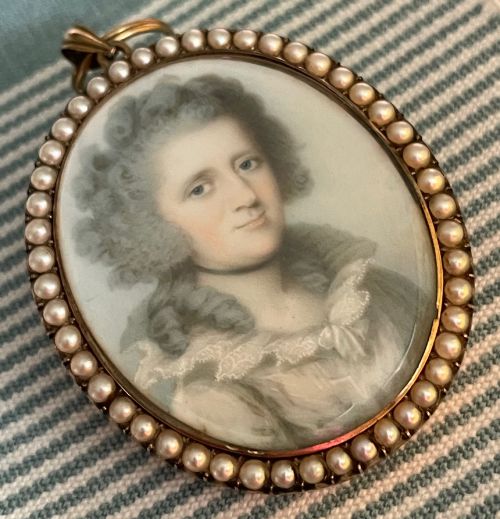
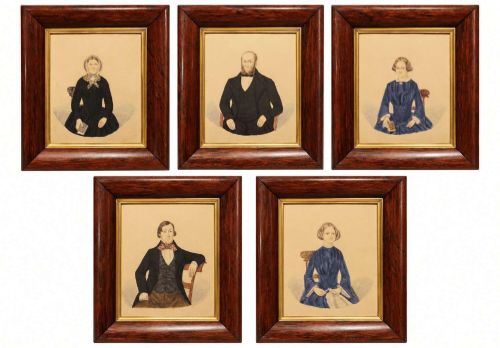
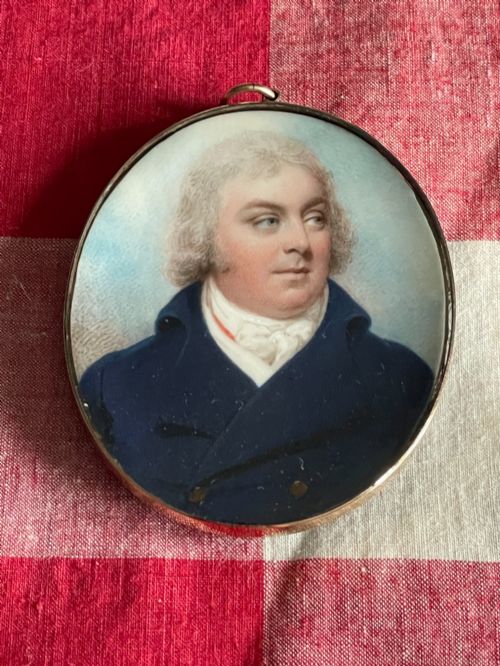
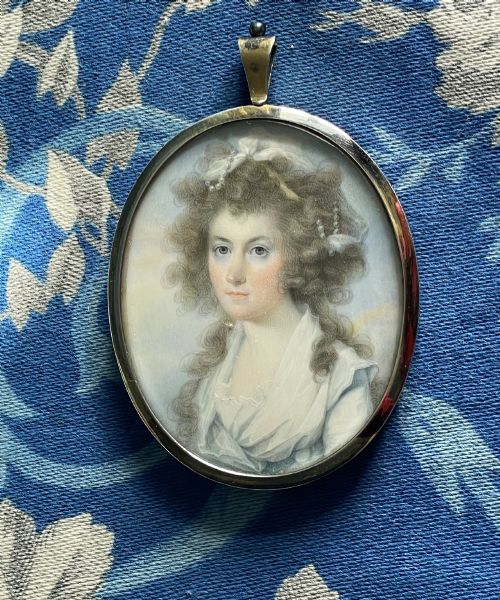
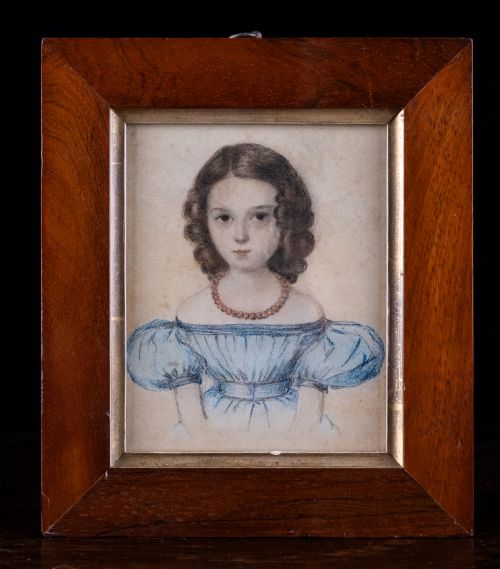
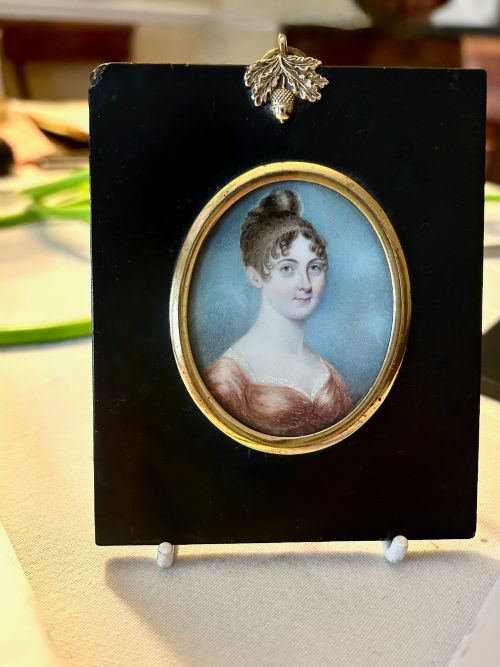
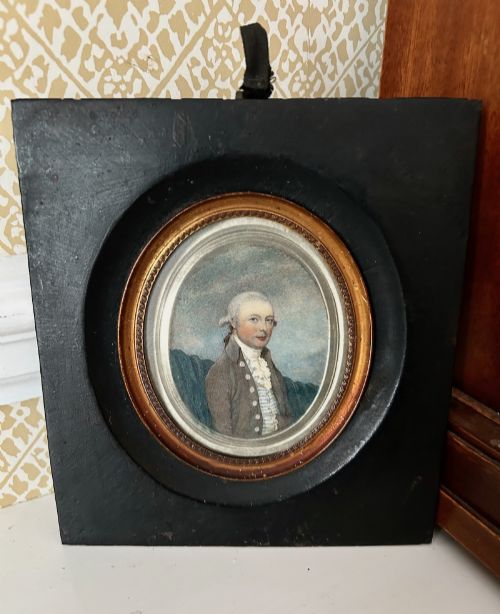
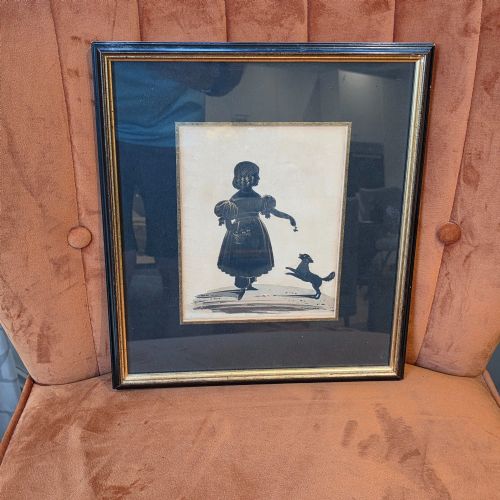
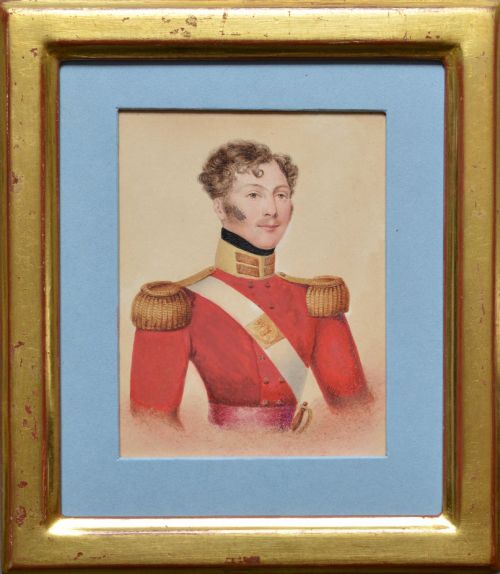
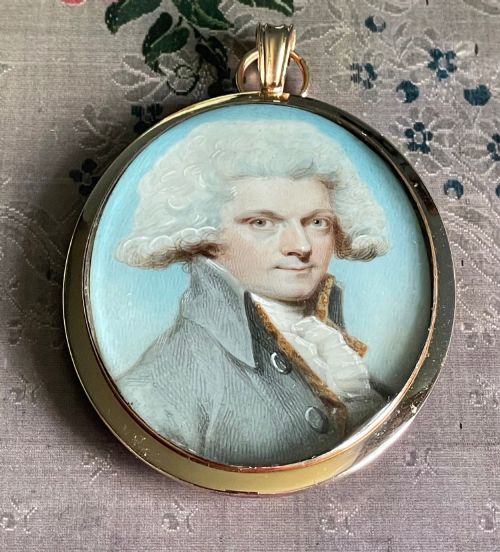
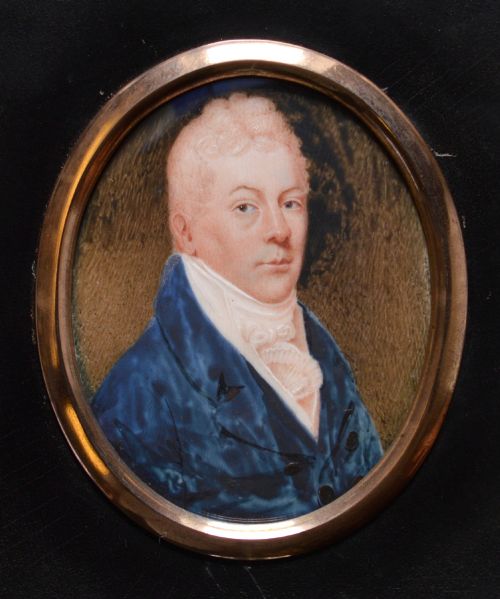
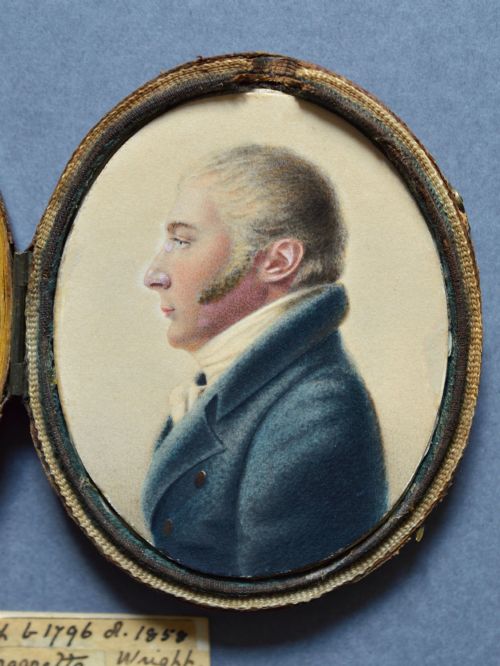
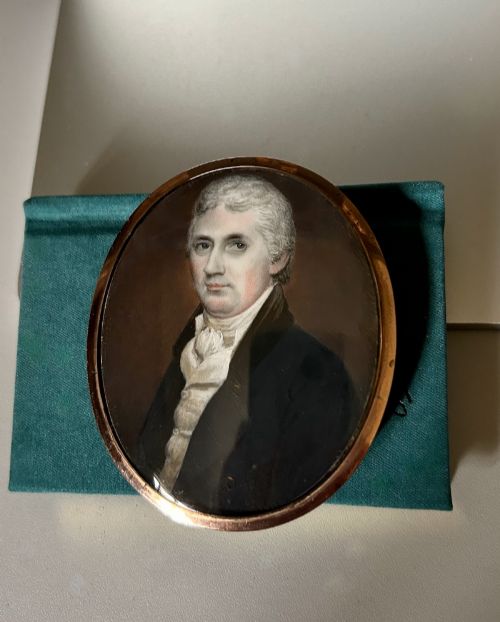
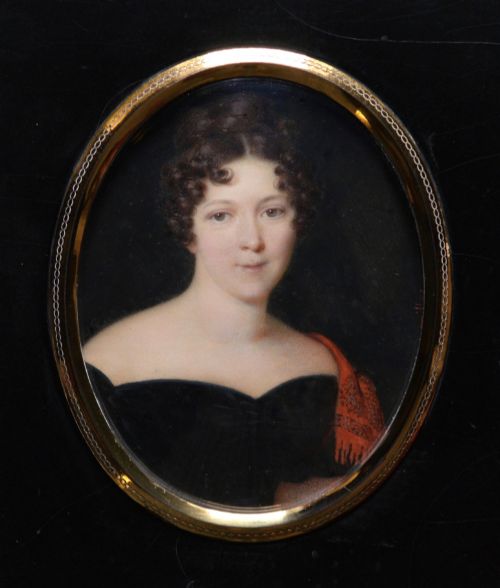
A georgian watercolor portrait typically depicts a single subject, such as a gentleman, a lady, an officer, or children, rendered with remarkable intimacy. These works appear in forms ranging from standalone miniature paintings to cut-paper silhouettes combined with watercolour.
The pieces on this page span the 18th century, the Regency period, and the 19th century, reflecting stylistic evolutions from Georgian restraint to Victorian narrative. Portrait miniatures and framed artworks dominate the selection, often preserved in their original surrounds.
Makers and schools represented include named artists alongside British and French institutions, capturing subjects from country gentlemen to military officers.
How They Were Made
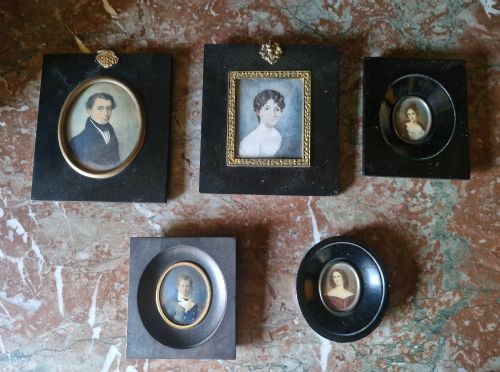
Many portraits were housed in protective surrounds made of wood, ebonised wood, or gilt metal, sometimes incorporating glass fronts and seed pearls to accent the perimeter.
Georgian Watercolor Portrait Retail Price Guide 2026
Typical asking prices for georgian watercolor portrait among the pieces listed under this phrase on Sellingantiques today, from the lower quarter to the upper quarter. They describe what is for sale here now, not the wider market.
Listings feature works from the 18th century through the 19th century, executed in watercolour on paper and ivory with wood and gilt metal frames.
What Varies in Quality
The skill of the hand dictates the success of a portrait, visible in the precision of the facial expression, the convincing fall of light, and the proportion of the subject. Master practitioners captured character and likeness with minimal brushstrokes.
The preservation of the paper or ivory ground and the clarity of the pigment affect the visual impact, as does the authenticity and condition of the original frame, whether ebonised wood or gilt metal.
Frederick Buck·William James Hubard·Thomas John Horsley·Charles Shirreff·Richard Cosway·John C D Engleheart·Dumont·William Naish·Nicolas Freese·J F Marie Huet Villiers
The Georgian Watercolor Portrait Glossary
- Portrait miniature
- A small-scale painting designed for private contemplation or wear, usually executed on ivory, vellum, or paper. These portable likenesses required immense skill due to their restricted dimensions.
- Ebonised wood
- Timber treated to imitate ebony, commonly utilised for dark, contrasting frames during the Georgian and Regency eras. It provides a stark boundary that focuses the eye upon the watercolour within.
- Gilt metal
- Base metal treated with a gold wash or leaf to simulate solid gold, frequently found bordering miniature portraits. It adds reflective warmth to the edges of the frame.
Georgian Watercolor Portrait: Frequently Asked Questions
How should I display them at home?
Because watercolour pigments fade under direct sunlight, these portraits require placement away from windows and bright ultraviolet sources. Low-wattage ambient lighting protects the delicate paper and paint layers.
Many pieces retain their original ebonised wood or gilt metal frames, which complement historic and traditional interiors alike. Grouping several miniature portraits together creates a strong visual focus on a wall.
How do I identify the period?
Costume, hair styling, and framing materials offer the clearest clues to dating a portrait. High-collared coats, powdered wigs, and empire-line dresses correspond directly to Georgian and Regency fashions.
Frame construction and the backing materials also point to specific decades. Earlier works often feature convex glass and heavy wooden bezels, while later pieces adopt simpler housings.
Why are some painted on ivory?
Ivory provided a smooth, semi-translucent surface that imparted a natural glow to human skin when painted with watercolour. Artists built up transparent washes to exploit this luminous underlying material.
This technique set portrait miniatures apart from standard works on paper. The density of the ivory varied, influencing how the light passed through the painted layers.