



Georgian Upholstered Sofa
A georgian upholstered sofa brings architectural proportion and generous seating into a room, combining solid timber frames with traditional stuffing.
Georgian Upholstered Sofa
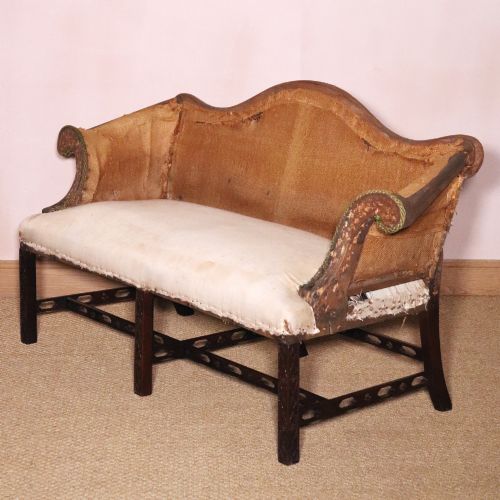
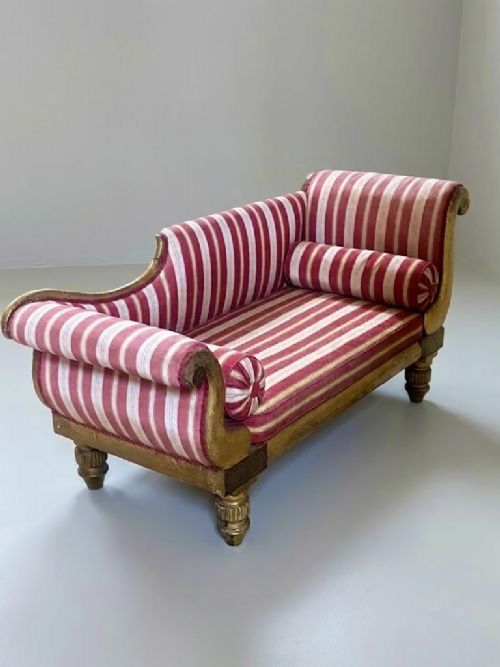
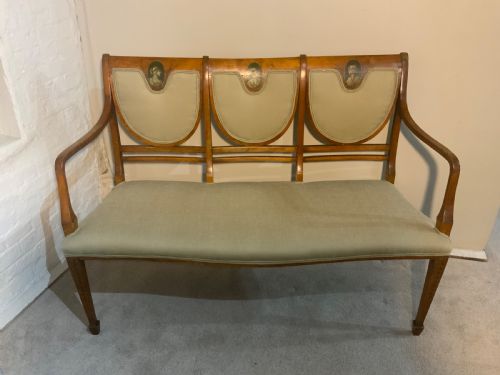
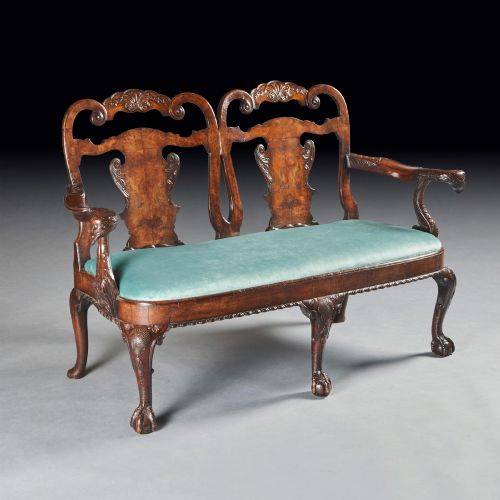
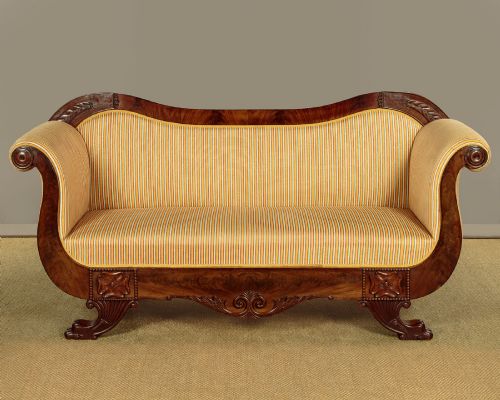
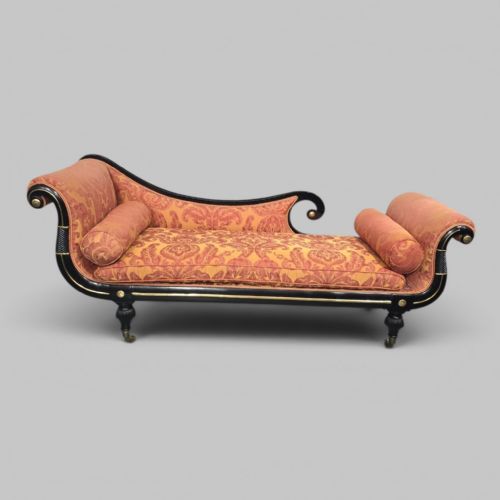
A georgian upholstered sofa encompasses seating built during the eighteenth and nineteenth centuries, alongside later revival pieces following those same classical lines. Buyers encounter forms ranging from serpentine camelbacks to scroll-ended couches and twin chair-backs.
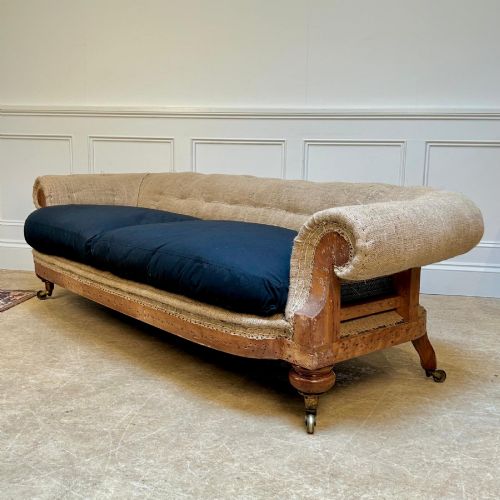
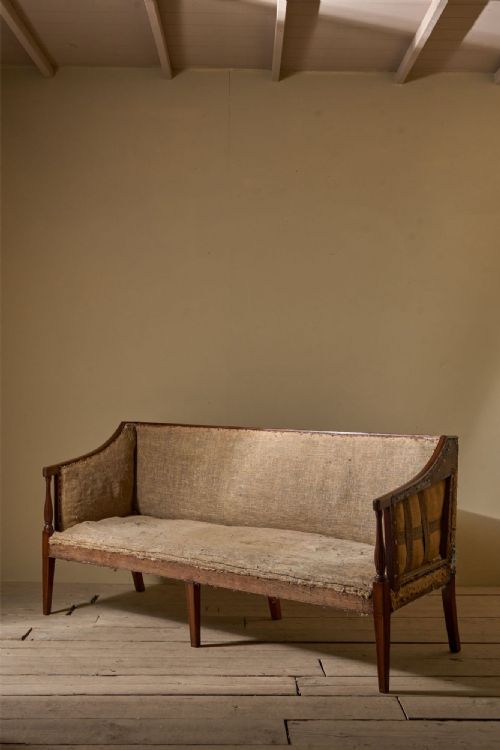
The material record spans centuries of cabinetmaking, showing frames constructed from mahogany, walnut, satinwood, and rosewood. These timbers support various upholstery styles, from antique silk and velvet to plain hessian ready for covering.
Makers and workshops of the period referenced classical proportions, producing seating suited to grand country houses and parlours alike. Surviving pieces display regional variations in carving and structural framing across England and Ireland.
Construction and materials
Cabinetmakers built the structural frames using dense hardwoods like mahogany and walnut, employing traditional joinery to withstand daily use. Exposed woodwork often featured hand-carved details such as fluting, scrollwork, and elaborate crest rails.
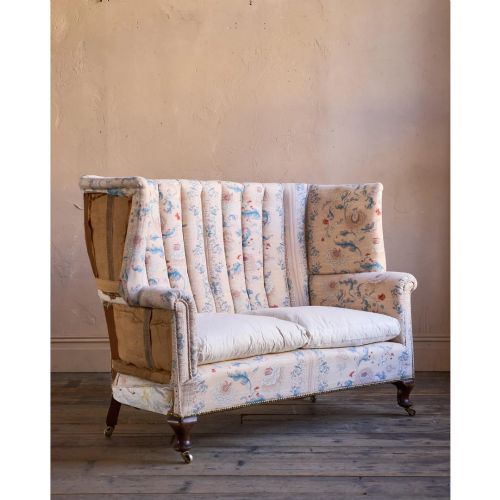
Upholstery techniques involved webbing, stuffing with natural fibres like horsehair or feathers, and securing the outer fabric with brass tacks or piping. Many examples show subsequent layers of recovering that reflect changing interior tastes over decades.
Georgian Upholstered Sofa Retail Price Guide 2026
Typical asking prices for georgian upholstered sofa among the pieces listed under this phrase on Sellingantiques today, from the lower quarter to the upper quarter. They describe what is for sale here now, not the wider market.
Listings combine eighteenth-century originals with nineteenth-century revival interpretations, utilising mahogany, walnut, rosewood, and satinwood framing.
Judging the standard
Quality rests in the integrity of the timber frame and the precision of the joinery, which determines whether a piece maintains its rigid stance over centuries. Finer examples retain their original carved wooden elements without replacement or excessive structural intervention.
The distinction between an original eighteenth-century frame and a later revival piece lies in the tool marks, timber ageing, and construction methods visible beneath the upholstery layers. Proportion and balance also separate ambitious country house commissions from standard workshop production.
Miles and Edwards·Butlers of Dublin·Gillows
The Georgian Upholstered Sofa Glossary
- Camelback
- A sofa back featuring a graceful, undulating serpentine curve that resembles a camel's hump. This profile became popular during the Georgian period for its formal elegance.
- Giltwood
- Timber that has been coated with a thin layer of gold leaf. It appears on high-status Regency frames designed for formal reception rooms.
- Bergere
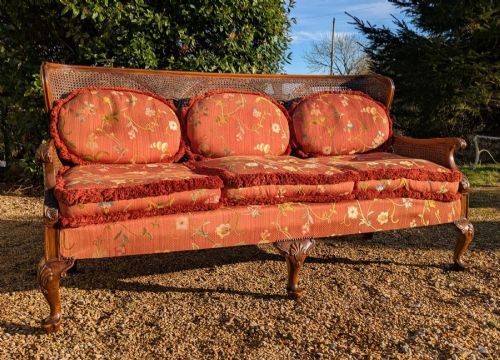
- An enclosed upholstered armchair or sofa with wooden framing and cane or upholstered sides. The style provides a lighter visual weight while retaining comfortable cushioning.
- Settee
- A small upholstered bench with a back and arms, designed to seat two or more people. The term frequently overlaps with early sofa definitions in trade records.
- Scroll end
- A sofa arm or terminal that curls outward in a tight spiral. This feature characterises many Regency and nineteenth-century couches.
Georgian Upholstered Sofa: Frequently Asked Questions
How do I date a georgian upholstered sofa?
Dating relies on examining the secondary timbers, hand-cut joinery, and the profile of the legs and arms. Stylistic markers such as cabriole legs or saber shapes align with specific decades.
Interior construction methods, including webbing types and stuffing materials, further help distinguish eighteenth-century originals from later nineteenth-century revival pieces.
Are these sofas comfortable for daily use?
Traditional upholstery utilises deep stuffing and supportive internal webbing designed for formal sitting rather than modern lounging. Feather cushions and sprung bases provide variable levels of give.
Many historic frames can be professionally re-webbed and restuffed to suit contemporary comfort preferences while preserving the exterior frame.
What is the difference between a settee and a sofa?
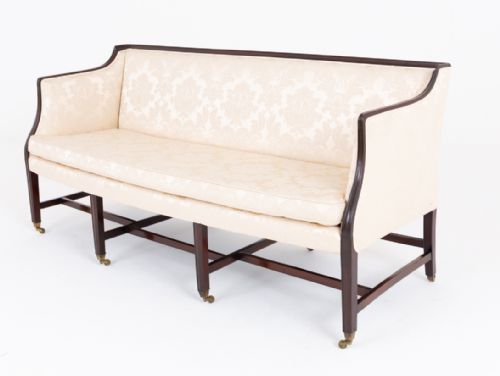
Historically, settees often featured exposed wooden frameworks with partial upholstery, while sofas tended towards fully upholstered designs with padded arms and backs. The terms frequently overlap in antique listings.
Both forms served similar seating functions in drawing rooms and parlours across the Georgian and Regency periods.