



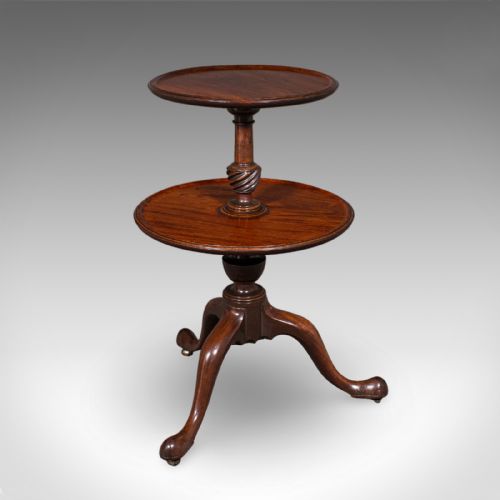

Georgian Two Tier Table
A georgian two tier table brings stacked timber utility to a room, offering dual surfaces for serving, reading, or display.
Georgian Two Tier Table
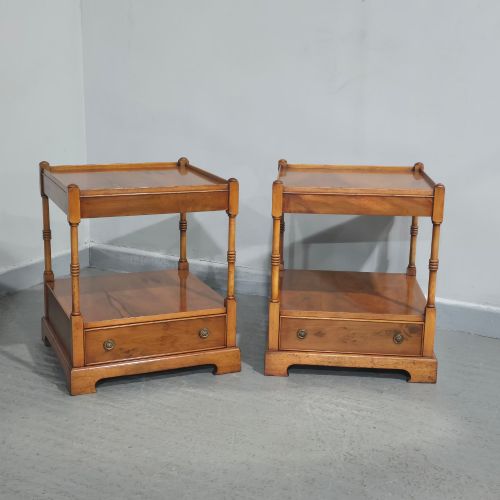
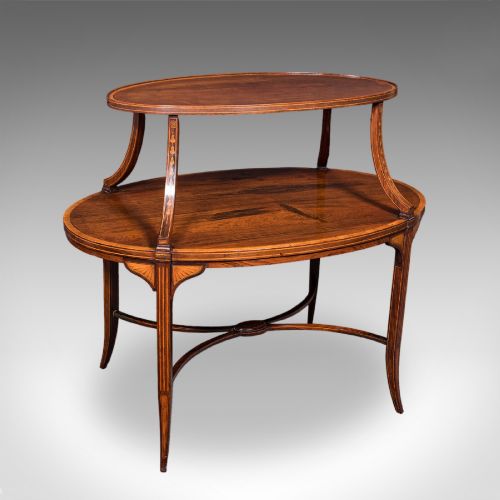
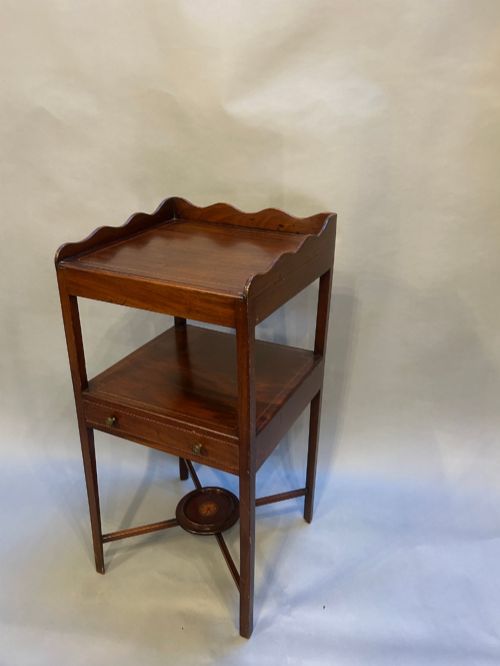
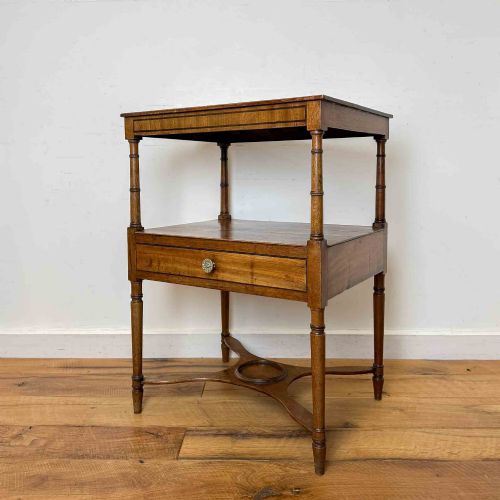
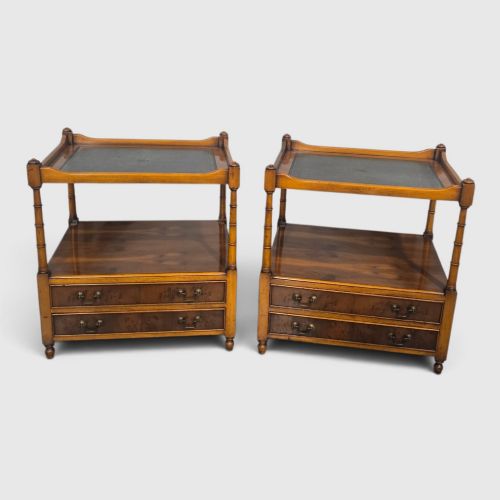
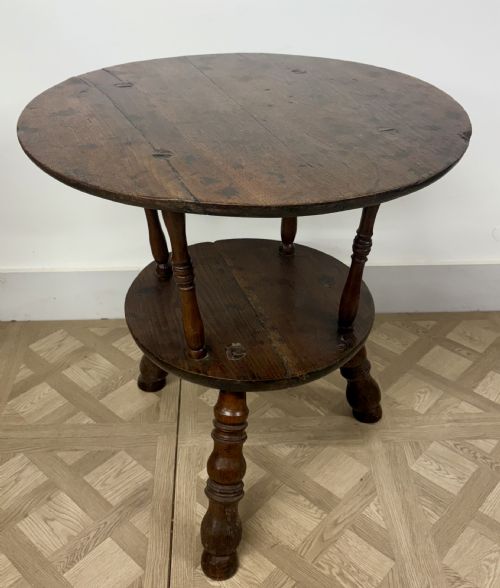
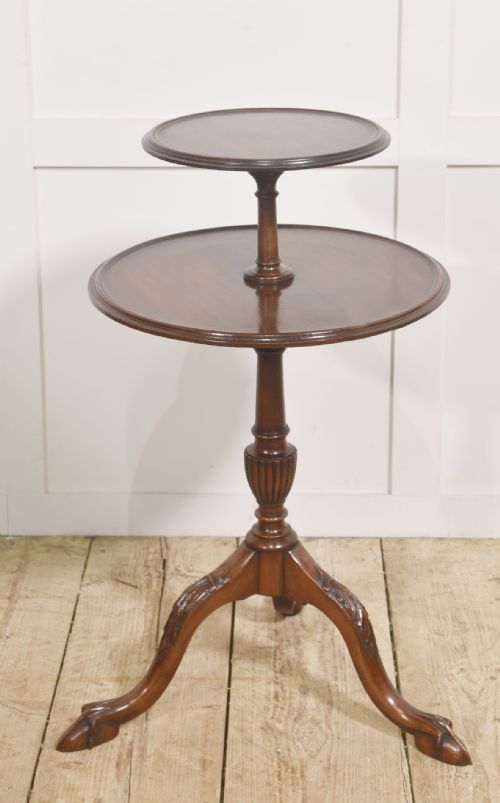
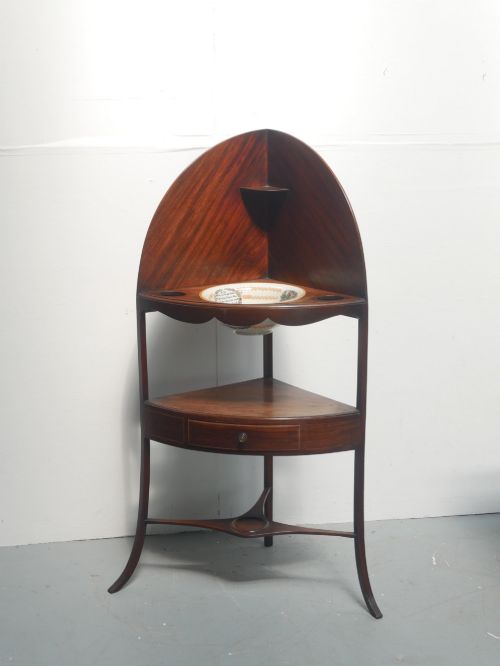
When you search for a georgian two tier table, you encounter practical furniture designed for multi-level use, predominantly taking the form of dumb waiters, side tables, and occasional pieces. The selection relies heavily on mahogany, oak, and yew timbers shaped during the eighteenth and nineteenth centuries.
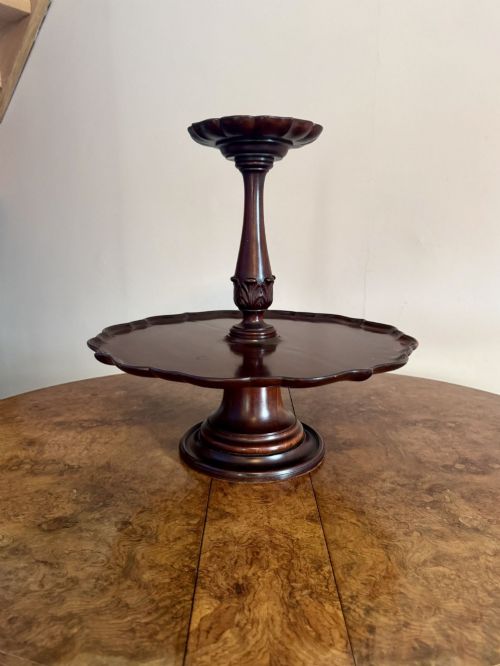
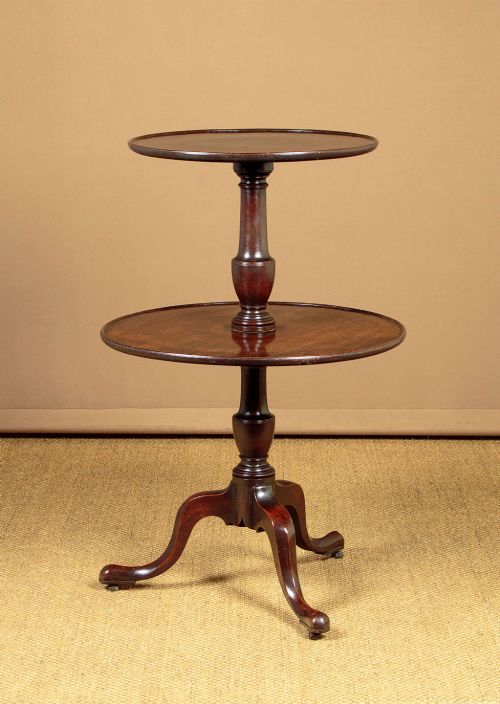
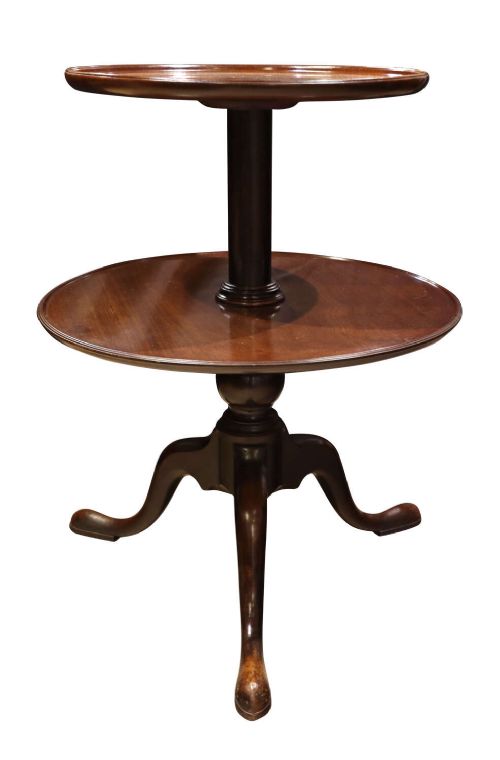
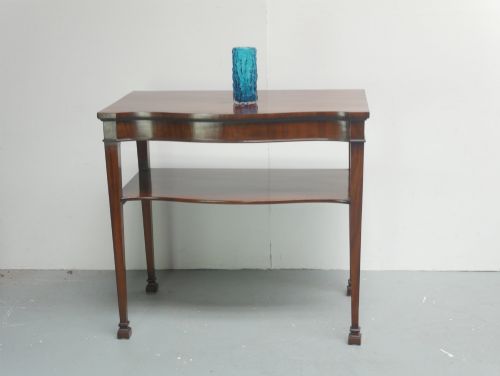
The most common version meeting you on this page is the revolving or stationary dumb waiter from the Georgian and Regency periods, featuring graduated circular tiers supported on tripod legs. Alongside these stand rectangular side tables and occasional stands built with dual platforms for holding books, tea, or serving items.
How they were made
Cabinet makers utilised dense hardwoods, principally mahogany and oak, turning slender central columns on lathes and sawing solid boards for the tiers. Tripod bases typically join the central shaft via pegged or dovetailed joints.
Brass fittings, castors, and occasionally leather accents appear on select examples to provide mobility and surface protection. Folding mechanisms on specific dumb waiters allow the circular tiers to drop down for storage.
Georgian Two Tier Table Retail Price Guide 2026
Typical asking prices for georgian two tier table among the pieces listed under this phrase on Sellingantiques today, from the lower quarter to the upper quarter. They describe what is for sale here now, not the wider market.
Listings feature eighteenth-century and nineteenth-century pieces built predominantly from mahogany, oak, and yew.
What varies in quality
The degree of refinement in timber selection and turning marks the upper tier of these tables. Dense grain patterns, well-figured mahogany, and finely fluted columns separate superior pieces from simpler utilitarian equivalents.
Original brass hardware, stable revolving actions, and unaltered tiered structures dictate the integrity of a piece. Later additions or replaced columns diminish the coherence of the construction.
Gillow
The Georgian Two Tier Table Glossary
- Dumb waiter
- A multi-tiered serving table used in dining rooms to hold dishes without requiring constant servant attention. These usually feature two or three graduating circular trays revolving on a central pedestal.
- Tripod base
- A three-legged support structure commonly found beneath the central pillars of round tables and dumb waiters. This design ensures stability on uneven domestic flooring.
- Whatnot
- A piece of open shelving with multiple tiers used for displaying ornaments, books, or tea wares. The form overlaps closely with the two-tier table in function.
- Bird cage
- A pivoting mechanism beneath a tabletop that allows the surface to tilt vertically and rotate horizontally. This construction aids storage and positioning in compact rooms.
- Etagere
- A set of open shelves or tiers designed for displaying small objects. The French term applies to freestanding tiered stands from the eighteenth century onwards.
Georgian Two Tier Table: Frequently Asked Questions
What was a georgian two tier table used for?
These tables served primarily as auxiliary furniture in dining rooms, libraries, and drawing rooms. They held tea services, books, or extra dishes during meals.
In domestic settings, the tiers provided accessible surfaces for items without crowding the main dining or writing desks.
How do I spot a genuine georgian piece?
Examine the timber for hand-cut joinery, patination, and wood species consistent with the eighteenth century, such as solid mahogany or oak. Pegged joints and turned pillars indicate period construction methods.
Check for consistent wear patterns around the edges and the central column that align with age rather than artificial distressing.
Can I use a dumb waiter as a side table?
These tiered stands adapt well to modern living spaces as bedside surfaces, lamp tables, or drinks stands. Their vertical layout occupies minimal floor space while doubling the available surface area.
Placing them beside a sofa or in a corner provides functional placement for reading materials or lighting.
What is the difference between Georgian and Regency styles?
Georgian furniture leans towards classical proportions, carved tripod legs, and restrained ornamentation associated with the reigns of the Georges. Regency pieces often incorporate bolder classical revival motifs influenced by Roman and Greek designs.
Regency examples also tend to utilise brass inlay, heavier pedestal bases, and darker mahogany tones.