




Georgian Tobacco Container
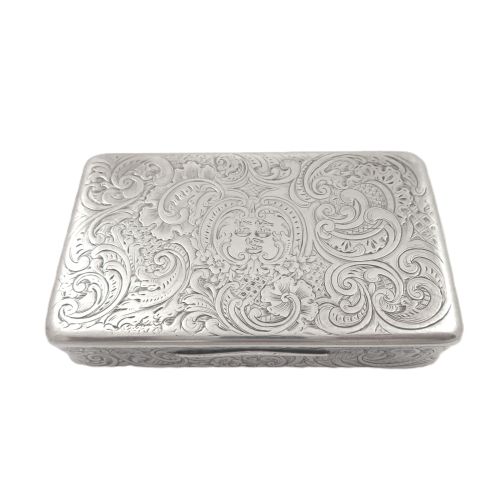
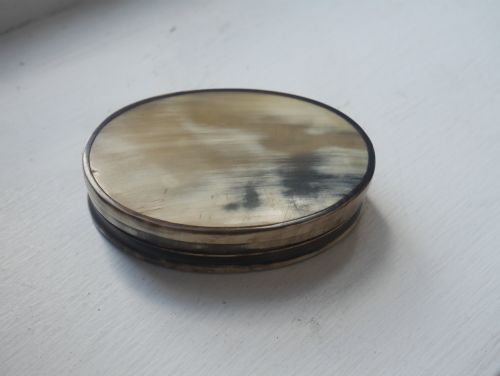
A georgian tobacco container sits in the palm as a portable repository for leaf and snuff, shaped by silversmiths and turners for daily pocket use.
Georgian Tobacco Container
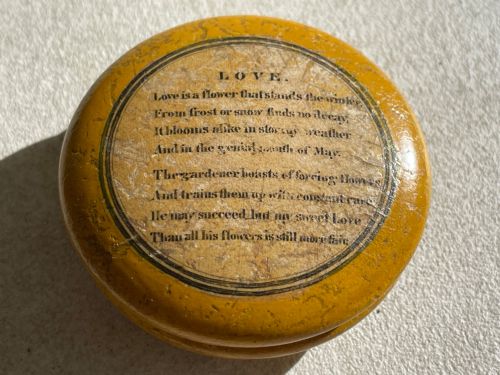
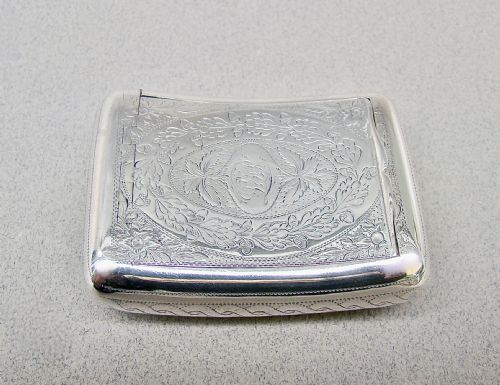
A georgian tobacco container encompasses small pocket boxes, table boxes and mulls used to hold tobacco or snuff during the eighteenth and nineteenth centuries. The selection on this page ranges from silver pocket pieces to carved treen and horn vessels made across the Georgian, Regency and Victorian periods.
Buyers will encounter snuff boxes alongside larger table snuff boxes, novelty boxes and Scottish horn mulls. Materials span sterling silver, brass, horn, hardwood, tortoiseshell, leather and papier-mâché, reflecting the diverse substances utilised by makers of the era.
The objects derive from English, Scottish and Continental workshops, showing stylistic traits from Georgian folk art to Regency elegance. Most survivors date from the late eighteenth century through to the mid nineteenth century, coinciding with the peak of snuff-taking culture.
How they were made
Metal containers utilise sterling silver, brass, pewter and copper, often formed by stamping, casting or hand-raising before receiving engraved crests, floral motifs or brass pique work. Silversmiths applied hallmarks to precious metal boxes, documenting the city and year of production.
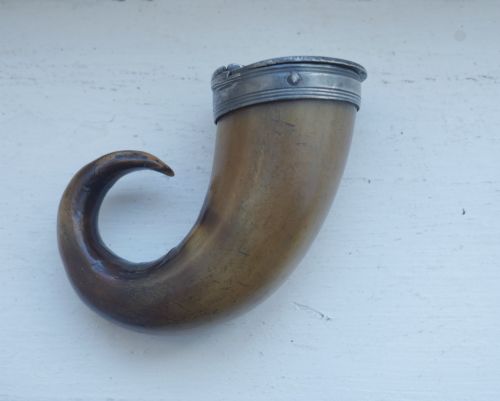
Organic materials such as horn, tortoiseshell, coquilla nut and various hardwoods rely on turning, carving and mounting. Craftsmen hollowed and shaped natural forms, attaching silver hinges, rims and mounts to secure the lids of mulls and pocket boxes.
Georgian Tobacco Container Retail Price Guide 2026
Typical asking prices for georgian tobacco container among the pieces listed under this phrase on Sellingantiques today, from the lower quarter to the upper quarter. They describe what is for sale here now, not the wider market.
The inventory spans the 18th Century, Georgian, Regency, Victorian, and Edwardian eras, encompassing Scottish folk art and Continental designs.
What varies in quality
Quality rests upon the crispness of the carving, the precision of the metal mounts and the retention of original surface patination. Finely worked specimen woods, detailed brass pique foliage and sharp silver hallmarks elevate an example above standard utility pieces.
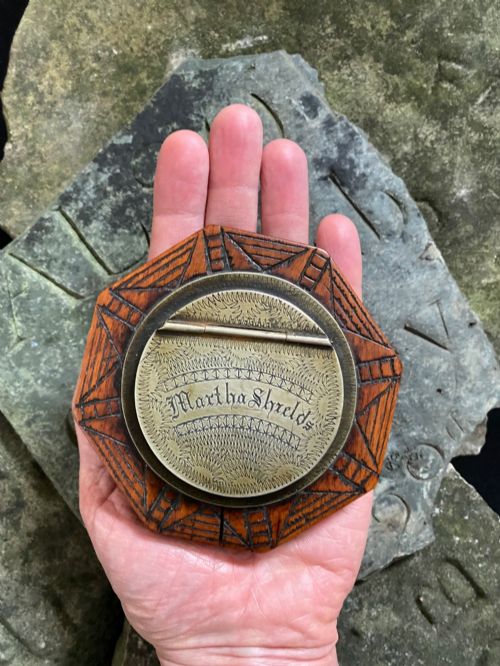
The integrity of hinges and the snugness of lid closures distinguish superior boxes from those with wear or replacement parts. Pieces displaying named inscriptions, such as Martha Shields, or unusual novelty forms demonstrate higher workshop skill.
Joseph Willmore·William Eaton·James Phipps I
The Georgian Tobacco Container Glossary
- Snuff mull
- A pocket receptacle for powdered tobacco, traditionally fashioned from a ram's horn and mounted with silver.
- Treen
- Small handmade wooden household objects and containers turned on a lathe or carved by hand.
- Navette
- A boat-shaped decorative form with pointed ends, seen frequently in Georgian table boxes.
- Pique work
- A method of decorating tortoiseshell or horn with tiny inlaid studs of gold or brass to form patterns.
- Coquilla nut
- The hard, mottled seed of a South American palm, favoured by turners for small carved boxes.
Georgian Tobacco Container: Frequently Asked Questions
What is a georgian tobacco container?
A georgian tobacco container is a small lidded box or mull designed to carry tobacco or snuff in the pocket or display it on a table.
These pieces were produced in silver, brass, wood, horn and shell to meet the daily social habits of the Georgian and Regency eras.
How do I identify a georgian period piece?
Identification relies on examining the construction materials, style of decoration and any official hallmarks stamped into the metal components.
Silver examples often carry maker marks and town marks that date the piece precisely, while wooden and horn boxes display period-specific turning techniques.
Were these containers used for tobacco or snuff?
They served both purposes depending on the scale and internal depth of the box, with larger vessels holding loose leaf tobacco and smaller ones containing dry snuff.
Many pocket boxes were tailored specifically for powdered tobacco, while table boxes accommodated larger quantities for communal rooms.
How should I care for antique horn and wood boxes?
Organic materials require stable indoor humidity away from direct heat sources to prevent warping, shrinking or cracking over time.
Gentle dusting with a dry cloth preserves the historic surface patina without stripping the natural oils accumulated through handling.