



Georgian Tea Caddy Bowl
A georgian tea caddy bowl gathers the remnants of historic hospitality, offering a glimpse into the ritual of mixing and measuring loose leaf leaves.
Georgian Tea Caddy Bowl
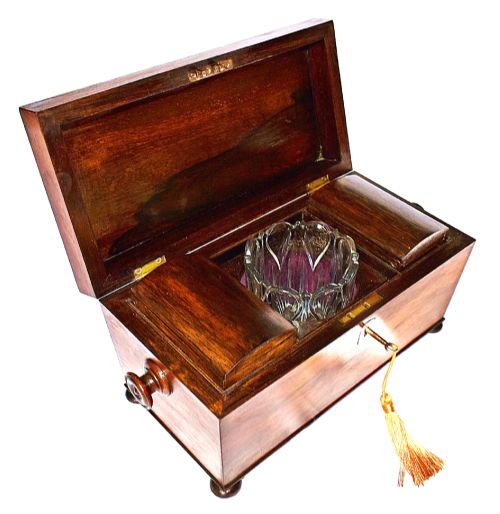
When you search for a georgian tea caddy bowl, you enter a domain of wooden boxes, silver spoons, and glass vessels designed for the tea table. The pieces found here span the Georgian, Regency, and Victorian periods, often taking the form of sarcophagus boxes, double compartments, or standalone mixing bowls.
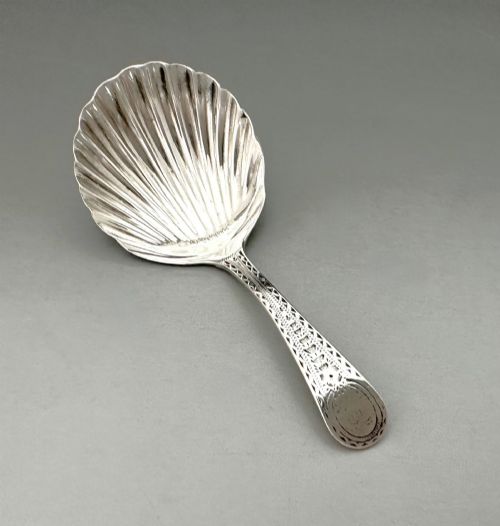
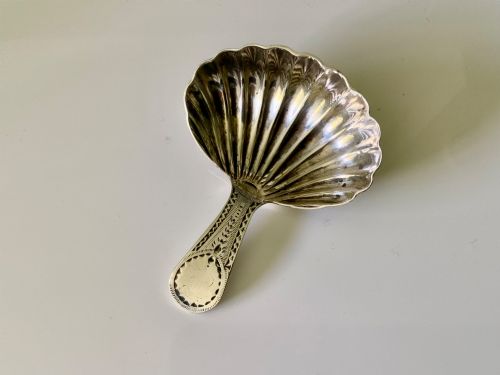
You are most likely to meet mahogany or rosewood caddies fitted with interior glass bowls alongside sterling silver caddy spoons bearing engraved handles. These items served a practical domestic purpose in elite households where tea was stored securely and blended before serving.
The assortment includes specific tea collectables like tea poys and cut glass mixing bowls dating from around eighteen hundred to the nineteenth century. Each item reflects the craftsmanship of an era when tea was a costly commodity requiring dedicated storage and preparation containers.
Materials and construction methods
Cabinet makers utilised dense hardwoods such as mahogany, satinwood, and rosewood, frequently applying elaborate parquetry, penwork, and string inlay to the exterior surfaces. These timbers provided the structural integrity needed for lidded boxes that housed delicate interiors.
Interior elements combined cut glass bowls and sterling silver spoons, the latter often shaped like shells with detailed handle engraving. Brass fittings, velvet linings, and working keys completed the assembly, securing the valuable contents within.
Georgian Tea Caddy Bowl Retail Price Guide 2026
Typical asking prices for georgian tea caddy bowl among the pieces listed under this phrase on Sellingantiques today, from the lower quarter to the upper quarter. They describe what is for sale here now, not the wider market.
The selection includes specialised tea collectables such as shell-shaped caddy spoons and sarcophagus tea poys.
Distinctions in craftsmanship
The hierarchy of these objects rests on the precision of the cabinet work, from plain mahogany boxes to sophisticated bombé forms inlaid with ebony and satinwood. Finer examples display meticulous parquetry and well-preserved original glass mixing bowls rather than later replacements.
Silver caddy spoons vary according to the crispness of the shell bowl and the depth of the handle engraving, reflecting the skill of the silversmith. The presence of intact interior components, such as mixing sticks and original glass vessels, elevates the integrity of the piece.
The Georgian Tea Caddy Bowl Glossary
- Tea caddy
- A box or container originally used for storing tea leaves under lock and key. The word derives from catty, a Chinese weight measurement.
- Caddy spoon
- A small spoon specifically designed for measuring loose tea leaves from a caddy into the teapot. They were frequently cast or stamped in sterling silver.
- Sarcophagus form
- A box shape featuring a domed lid and flared sides, popular during the Regency period for tea caddies and work boxes.
- Tea poy
- A small stand or table equipped with containers for storing tea, often mounted on a pillar and claw foot during the nineteenth century.
- Bombé
- A furniture style characterised by convex or bulging outward curves, seen in select high-status tea caddy designs from the early nineteenth century.
Georgian Tea Caddy Bowl: Frequently Asked Questions
What was the glass bowl inside a tea caddy used for?
The central glass bowl served as a mixing vessel where different varieties of loose tea leaves could be blended together before being brewed. It also held sugar lumps or functioned as a slop basin for discarded leaves.
In many surviving examples, these bowls remain intact alongside fitted compartments designed to keep green and black teas separate.
How do I identify a Regency tea caddy?
Regency tea caddies frequently feature architectural sarcophagus shapes, brass lion mask ring handles, and rich rosewood or flame mahogany veneers. They often incorporate precise parquetry and rested on small bun feet.
Interior layouts typically include lidded canisters flanking a central glass mixing bowl, reflecting the formal entertaining habits of the early nineteenth century.
What is a tea poy?
A tea poy is a freestanding piece of furniture rather than a tabletop box, featuring an enclosed compartment for storing tea leaves and mixing bowls. They stand on a central pillar supported by a sturdy base.
These items allowed hosts to prepare tea independently without relying on sideboards or service tables during drawing room gatherings.
Are silver caddy spoons hallmarked?
Many silver caddy spoons bear British hallmarks indicating the assay office, year of manufacture, and maker's mark. These tiny stamps help date the object accurately.
Matching a hallmarked spoon to the period of the caddy provides a reliable indicator of the ensemble's age and origin.