


Georgian Tea Accessories
Georgian tea accessories bring the precise silverwork and rich timber vessels of the eighteenth and early nineteenth centuries directly to the modern tea table.
Georgian Tea Accessories
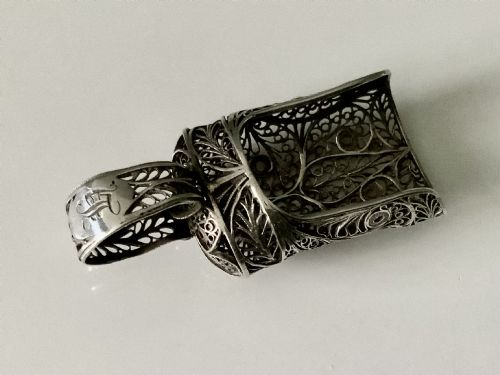
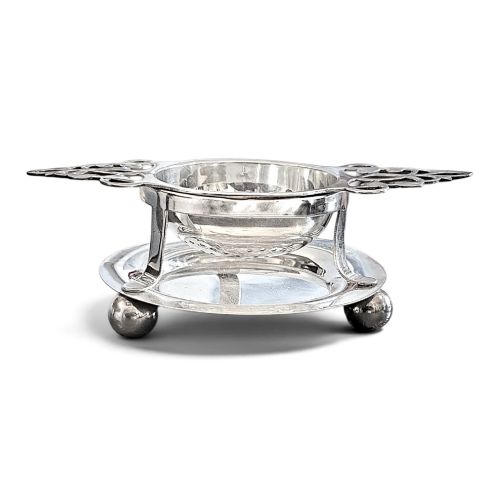
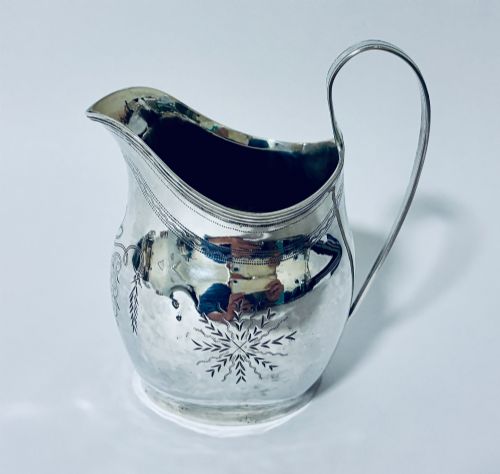
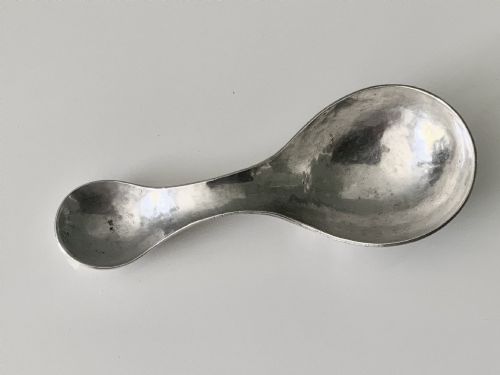
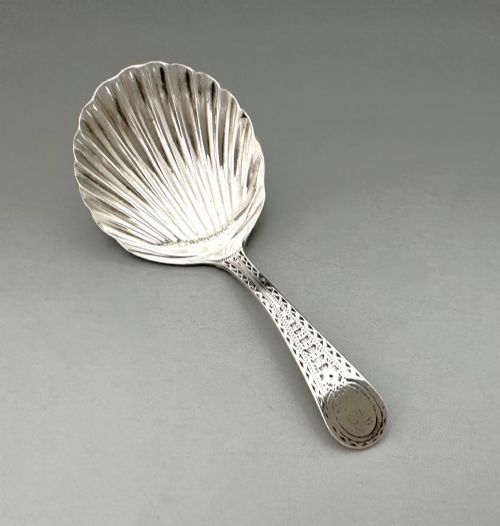
Georgian tea accessories comprise the small silver, copper, and mahogany implements used for preparing and serving tea during the Georgian and Regency periods. Buyers searching for georgian tea accessories will discover a selection focused heavily on silver caddy spoons, sugar tongs, cream jugs, and tea caddies.
The objects span actual Georgian manufacture as well as later reproductions and revivals styled to match the eighteenth century. Silver caddy spoons and sugar tongs appear most frequently, alongside mahogany tea caddies and brass-bound vessels.
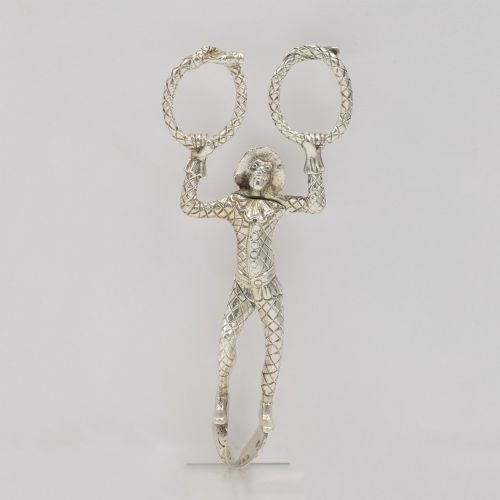
Makers and silversmiths of the era produced items ranging from utilitarian sugar nips to novelty pieces like harlequin monkey tongs and mote spoons. While many pieces originate in the eighteenth century, the category also includes Edwardian and later interpretations.
Materials and construction
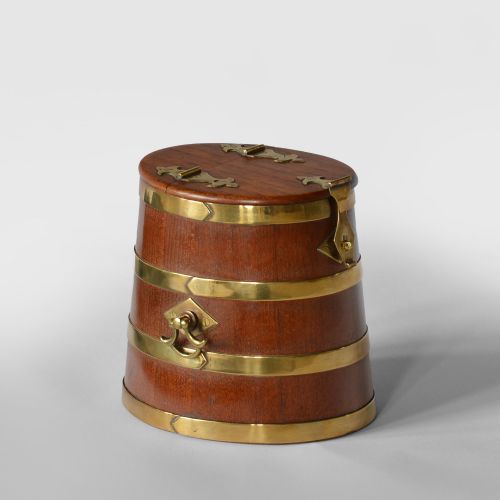
Sterling silver and silver plate dominate the metalwork, shaped through casting, piercing, and double-striking to create intricate caddy spoons and sugar nips. Copper and brass appear in kettles and bound barrels, utilising traditional hand-coopering and hammering techniques.
Wooden tea caddies utilise dense timbers like mahogany, frequently enhanced with marquetry inlay and star motifs. Silversmiths employed techniques such as bright-cut engraving and pierced bowls on spoons and strainers.
Current listings for georgian tea accessories include sterling silver, brass, copper, mahogany, and marquetry inlay across periods spanning the eighteenth century to the twentieth century.
Standards of craftsmanship
Quality in these accessories depends on the crispness of the casting and the depth of the hand-engraving on silver items. Superior pieces display clear hallmarks, balanced proportions, and well-preserved decorative details rather than worn surfaces.
For wooden caddies, the integrity of the marquetry inlay and the retention of original interior compartments distinguish finer examples from standard production. Novelty forms and items by noted makers demonstrate superior artistry in design and execution.
Hammond Turner and Sons·Zimmermann·Bateman Family·Dee and Fargus·Thomas Tookey·Jeremiah Lee·P A W Bateman
The Georgian Tea Accessories Glossary
- Caddy spoon
- A short-handled spoon specifically designed to measure loose tea leaves from a caddy. These small implements often feature shell bowls and engraved handles.
- Mote spoon
- A slender eighteenth-century spoon featuring a pierced bowl used to skim stray tea leaves from the cup and a tapered stem to clear the teapot spout. They belong to the early part of the tea-drinking tradition.
- Sugar nips
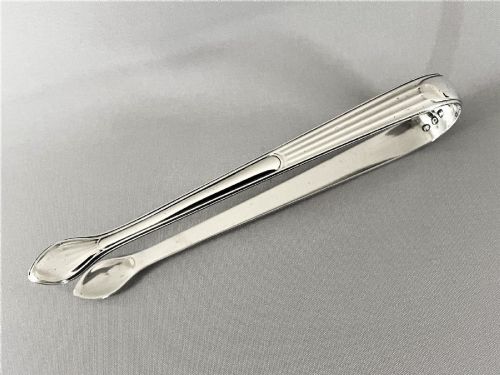
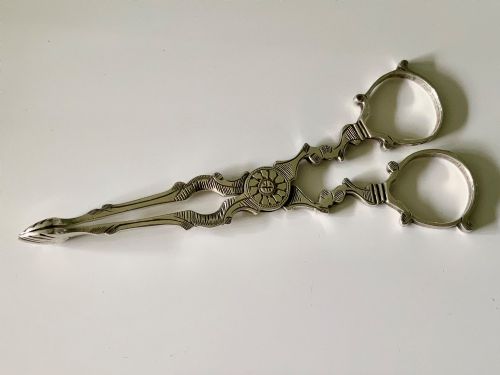
- Scissor-action tongs used to cut or grasp sugar loaves before the widespread availability of granulated sugar. They precede the spring-action sugar tongs common in later periods.
- Pearl ware
- A fine earthenware developed in the late eighteenth century with a bluish-white glaze that influenced tea tray and ceramic production. It provides a distinct contrast to silver accessories.
Georgian Tea Accessories: Frequently Asked Questions
What is a caddy spoon used for?
A caddy spoon measures loose tea leaves from storage containers into the teapot. Their compact size and shallow bowls suited the precious nature of tea in past centuries.
Collectors prize them for their variety of handle designs, shell-shaped bowls, and distinct regional hallmarks.
How do you distinguish sugar nips from sugar tongs?
Sugar nips operate on a scissor action with pivoted handles, often terminating in small spoon-like grips. They were standard during the earlier eighteenth century.
Sugar tongs use a sprung, single-piece metal bow to pinch sugar lumps, a style that became more prevalent by the Regency period.
What was a mote spoon's purpose?
Mote spoons served a dual function in early tea service. The pierced bowl strained loose leaves, while the pointed tail cleared blocked teapot spouts.
They appear primarily in pieces dating from the early eighteenth century.
How are wooden tea caddies constructed?
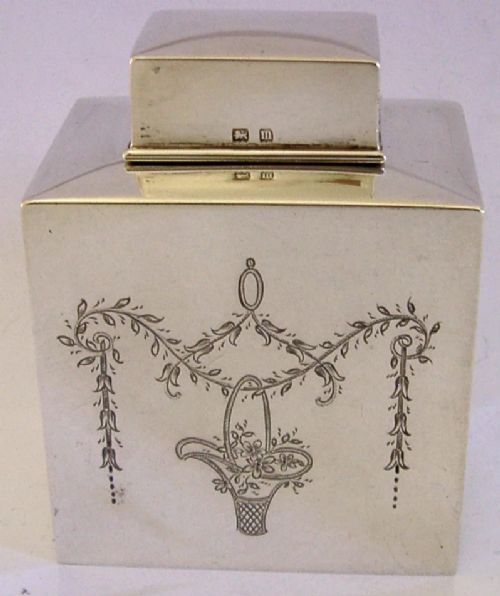
Cabinetmakers built tea caddies from dense timbers such as mahogany, often incorporating fine marquetry inlay and star motifs. Inside, lidded compartments kept black and green teas separate.
Many examples feature brass escutcheons and locks to secure expensive imported leaves.